
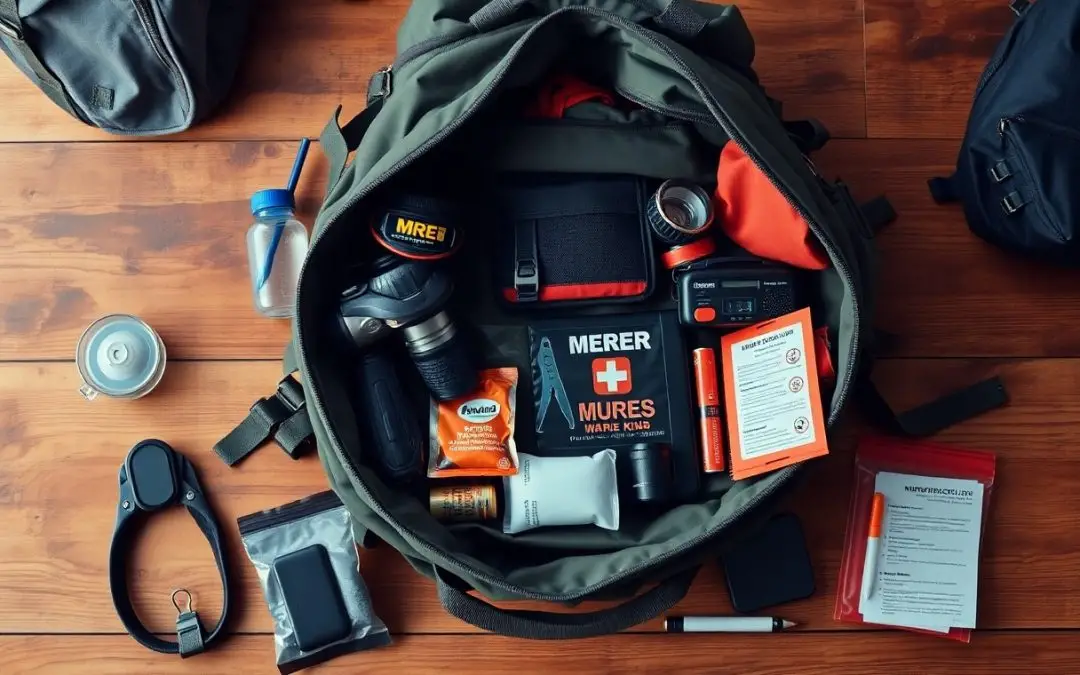
Emergency situations require a go bag that lets you sustain yourself, stay connected, and act swiftly; this checklist details important supplies, communication tools, and documents to keep you prepared for any crisis.
Key Takeaways:
- Pack water (about 1 gallon per person per day) and at least 72 hours of nonperishable food with a manual can opener.
- Include a first-aid kit, prescription medications, hygiene supplies, and any necessary medical items.
- Add reliable tools and gear: multi-tool, flashlight with spare batteries, portable radio (hand-crank or battery), firestarter, and duct tape.
- Keep copies of IDs and important documents, emergency contact info, cash, and portable power (battery pack and charging cables).
- Rotate perishables periodically, tailor the bag for children or pets, and store clothing and shelter items suited to your climate.
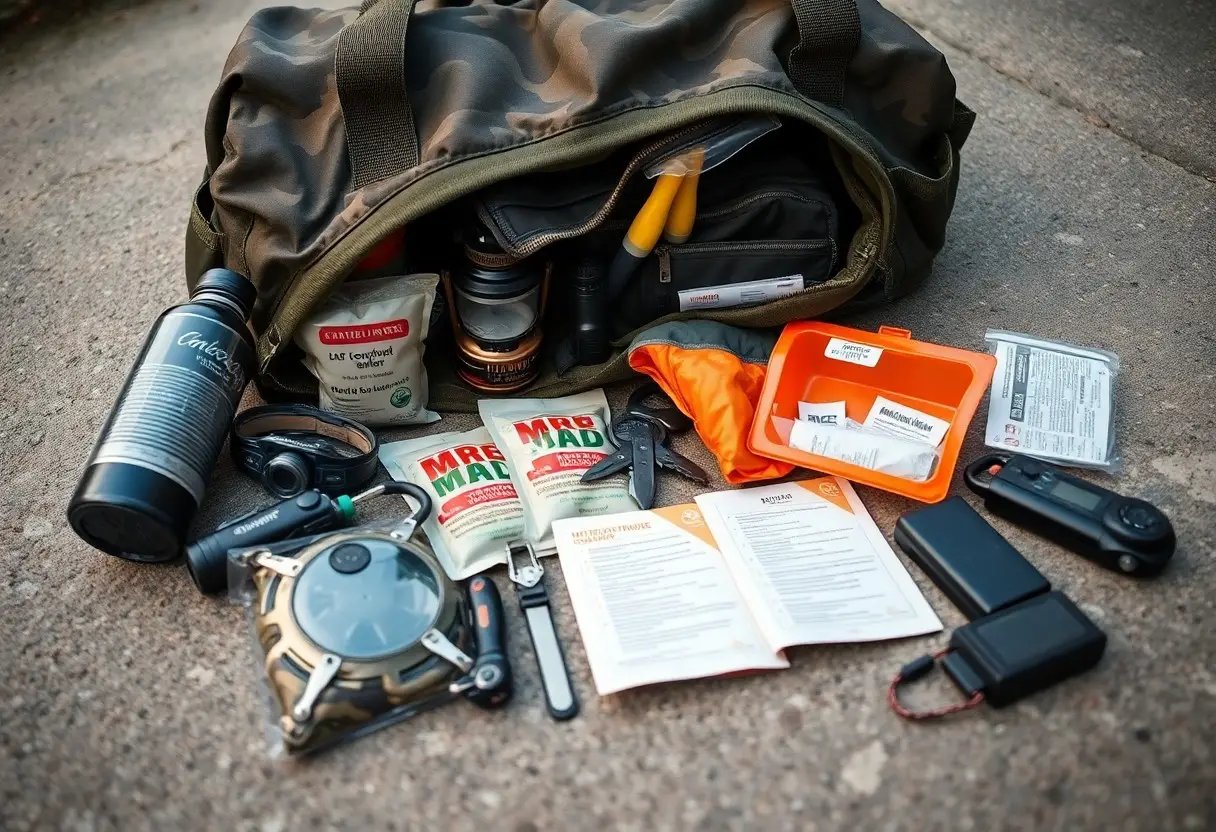
Core Survival Essentials
Pack a compact kit with shelter (tarp or emergency bivvy), reliable fire starters, a basic first-aid kit, signaling tools, and a multipurpose tool so you handle immediate survival tasks. You should arrange gear for quick access during an urgent departure.
Prioritize weight distribution and modular organization to let you shed nonvitals while keeping mission-critical items reachable. You will tailor contents to climate and likely duration, balancing portability with self-sufficiency.
Selecting a Durable, Ergonomic Backpack
Choose a pack that fits your torso, has a supportive hip belt, and offers weather-resistant materials; test it loaded before committing. You should aim for practical capacity that matches your evacuation profile.
Adjust internal organization and external attachment points so frequently used items sit on top or outside. You will benefit from padded straps and a ventilated back panel when moving long distances.
Water Filtration and Storage Solutions
Carry at least one liter per person per day plus a reserve, using collapsible bladders and wide-mouth bottles for refilling and boiling. You should protect containers from punctures and freezing during transport.
Include a primary mechanical filter (straw, pump, or gravity) rated for bacteria and protozoa plus a secondary chemical or UV treatment for viruses and backup. You will practice setup and maintenance ahead of any emergency.
Consider filter micron ratings, flow rate, and spare parts like O-rings; you will want easy-cleaning designs and a small repair kit. Test treatment tablets in different temperatures and carry a funnel for quick transfers.
High-Calorie, Non-Perishable Nutrition
Stock calorie-dense foods such as nut butter packets, meal bars, dehydrated meals, and MREs that tolerate temperature swings. You should favor items that provide calories, electrolytes, and quick carbohydrates for sustained effort.
Rotate your stash every 6-12 months to maintain freshness and inspect seals; you will avoid surprises when you need food most. Include compact, ready-to-eat snacks you can consume on the move.
Calculate daily calorie needs per person and pack a safety margin for high-exertion periods; you will account for allergies, infants, and older adults when selecting portions and packaging types.
Medical and Sanitation Supplies
Stock a dedicated medical pouch with adhesives, sterile gauze, bandages, scissors, tweezers, gloves and a compact CPR mask so you can treat injuries immediately.
Comprehensive Trauma and First Aid Kits
Include a comprehensive trauma kit with a tourniquet, hemostatic dressings, chest seals and multi-purpose trauma shears so you can control severe bleeding and stabilize wounds before professional care.
Personal Hygiene and Sanitation Requirements
Pack travel-size soap, hand sanitizer with at least 60% alcohol, toothbrush, toothpaste, feminine products and a compact towel so you can maintain personal hygiene while displaced.
Carry a resealable bag for used items, extra toilet paper, water purification tablets and biodegradable wipes so you can manage waste and reduce infection risk in improvised settings.
Prescription Medications and Health Records
Keep a minimum two-week supply of prescription medications in their original containers, plus basic OTC drugs and any necessary temperature-control measures so you can continue treatments without interruption.
Organize photocopies of prescriptions, a list of medical conditions, dosages and emergency contacts in waterproof sleeves so you can provide clear information to responders and pharmacists when needed.
Shelter and Environmental Protection
Portable Shelter and Emergency Blankets
Tarp or ultralight tents give you quick, versatile cover for rain and wind; include a compact bivy or emergency foil blanket that doubles as a heat reflector and signaling tool while keeping pack weight low.
Layering for Extreme Weather Conditions
Base layers that wick moisture and dry fast help you stay warm by removing sweat, so pack merino or synthetic options rather than cotton to avoid chill during exertion or downtime.
Midlayer insulation like fleece or synthetic fill provides trap warmth and compresses for storage, allowing you to add or shed layers as activity and temperatures change throughout the day.
Outer shells should be breathable, waterproof, and fitted with a hood and pit vents so you can manage condensation and stay protected from wind and precipitation without overheating.
Fire-Starting Tools and Heat Sources
Matches in waterproof containers and sealed strike-anywhere options give you a dependable ignition method, and you should store them separated from other gear to prevent accidental dampening.
Lighter with a refillable, windproof design is an efficient backup; include tinder like cotton balls soaked in wax, commercial tinder tabs, and a ferro rod for redundancy when conditions are harsh.
Alternative heat sources such as compact canister or alcohol stoves and chemical hand warmers offer controlled warmth and cooking ability, but you must use them with ventilation and secure fuel storage to avoid hazards.
Tactical Tools and Equipment
Stock a compact selection of tools that handle cutting, prying, lighting, and quick repairs; prioritize corrosion-resistant materials and efficient storage so you can access gear rapidly during an evacuation.
Multi-Tools and Fixed-Blade Knives
Choose a quality multi-tool with locking pliers, wire cutters, and a reliable blade for everyday fixes, and pair it with a small fixed-blade knife for heavy-duty chopping, batoning, or food prep you can’t tackle with a folding tool.
Illumination: Headlamps and Tactical Flashlights
Headlamps free your hands for map reading, gear repair, or treating wounds; pick models with adjustable beams, red-light mode, and at least 200 lumens for general tasks.
Tactical flashlights provide focused beams for signaling and threat assessment; select one with tail-switch operation, multiple output levels, a strobe option, and USB rechargeability or space for spare cells.
Combine a headlamp and a compact tactical flashlight so you have hands-free light plus a concentrated beam; store spare batteries and a short charging cable in the same pouch for quick swaps.
Repairs: Duct Tape and Paracord Applications
Carry a roll of strong duct tape and 20-50 feet of 550 paracord; both serve as improvised gear repairs, shelter lashings, tourniquets, and cordage for hauling or hanging items.
Wrap the paracord around a small bobbin to prevent tangles and keep duct tape folded on a plastic card for fast access during high-stress situations.
Practice tying common knots, fashioning a quick splint with paracord, and applying field duct-tape repairs so you can execute fixes confidently when it matters most.
Navigation and Communication Systems
Keep a mix of low-tech and electronic tools so you can maintain position and receive updates when conditions change; include a handheld GPS, paper maps, and a reliable compass. You should also keep printed copies of local evacuation routes and contact numbers in a waterproof sleeve.
Physical Maps and Compass Proficiency
Practice reading contour lines and plotting bearings so you can orient without power; use map-and-compass drills to build confidence. Train to dead-reckon by pacing and using terrain features during occasional field exercises.
Emergency Radios and Power Banks
Pack a NOAA weather radio or multi-band emergency receiver with hand-crank, solar, and battery options so you can get official alerts when cell service fails. Store spare batteries and a compact power bank rated to recharge your phone multiple times.
Choose power banks with high capacity and overcharge protection, and carry a lightweight solar panel for extended outages; test charging combinations ahead of time and rotate batteries annually to ensure readiness.
Signaling Devices for Rescue Operations
Carry a whistle, signal mirror, and high-visibility strobe so you can attract help both day and night; include a compact flare or LED beacon if legal in your area. Keep these items in an exterior pocket for instant access during an emergency.
Signal using three short blasts or flashes to indicate distress, and practice deploying each device under stress so you can perform quickly and accurately when it matters most.
Critical Documentation and Currency
Collect passports, birth certificates, insurance policies, vehicle titles, and medical records in a single, labeled folder so you can access them during an evacuation. Include photocopies, note expiry dates, and list emergency contacts and account numbers so you can find details quickly.
Waterproof Storage for Legal Documents
Store originals and certified copies in a small waterproof pouch or sealed plastic envelope that fits your go bag so you can keep them dry and readable. Protect one set in your bag, leave another at a trusted location, and ensure you can retrieve copies quickly.
Emergency Cash and Local Currency
Keep at least three days’ worth of local currency in small denominations so you can pay for transport, food, and minor supplies immediately. Carry some coins for public transit and small purchases that won’t accept cards.
Divide cash between family members and stash separate envelopes in your bag, vehicle, and a secure spot at home so you can access funds if one cache is lost. Mark amounts discreetly to track what’s available.
Obtain small amounts of widely accepted foreign currency or prepaid travel cards if you travel, and check ATM availability and fees so you can avoid being stranded without usable money.
Digital Backups and Identification
Scan passports, IDs, medical records, and insurance pages, then save encrypted copies to a cloud service and an offline USB drive stored separately so you can access them from multiple locations. Label files clearly for quick retrieval.
Encrypt files with strong passwords and enable two-factor authentication on accounts that hold your backups so you can keep sensitive data protected. Store passwords in a secure password manager you can access during emergencies.
Test your digital access periodically by logging into cloud accounts and opening files so you can confirm backups are readable and passwords are current.
Conclusion
So you maintain a concise, prioritized go bag that covers water, food, shelter, first aid, tools, important documents, and communication devices. You review and update contents with changing needs and expiration dates, store the bag where you can grab it quickly, and practice using key items so you move confidently during an emergency. You increase your chances of staying safe and self-sufficient until help arrives.
FAQ
Q: What is a go bag and who should have one?
A: A go bag is a portable kit containing necessarys to sustain one person for at least 72 hours during an evacuation or emergency. Anyone living in areas prone to earthquakes, floods, wildfires, hurricanes, or severe storms should have one, along with commuters, caregivers, and people with medical needs. Workplace, vehicle, and pet-specific go bags provide additional readiness for different situations.
Q: What core items belong on the ultimate go bag checklist?
A: Start with water (one gallon per person per day for three days), nonperishable food for three days, and a manual can opener. Add a complete first aid kit, prescription medications in original containers with dosage notes, a battery-powered or hand-crank radio, and a charged power bank with charging cables. Include durable clothing layers, a change of socks and sturdy shoes, a flashlight with extra batteries, a multi-tool, N95 masks, sanitation supplies, and a whistle. Protect documents and electronics in a waterproof bag, pack cash in small bills, and include a small tarp or emergency blanket and duct tape for shelter and repairs.
Q: How do I choose the right bag and how heavy should I pack it?
A: Choose a durable backpack with padded straps, water-resistant material, and multiple compartments for organization. Aim to keep pack weight under 20-25% of the carrier’s body weight for sustained travel; lighter loads work better if hiking is expected. Organize contents in clear zip bags and label them so high-priority items like water and first aid sit near the top. Consider modular packs with MOLLE webbing if you want attachable pouches and customization.
Q: How often should I check and update my go bag?
A: Inspect the go bag every six months and after any use, travel, or significant life change. Rotate food, water, and batteries before expiration dates and update clothing, medications, and important documents as needs change. Test electronic devices, replace the power bank according to manufacturer guidance, and keep a dated checklist inside the bag showing the last inspection and the next scheduled review.
Q: How should I tailor a go bag for family members, pets, or specific disasters?
A: Customize supplies for each family member’s age, medical needs, and mobility, including formula, diapers, glasses, and copies of prescriptions. For pets, include leash, food, water, a collapsible bowl, vaccination records, and a carrier or muzzle if needed. Match contents to regional hazards: dust masks and sturdy shoes for earthquake zones, waterproof containers and quick-drying clothing for flood-prone areas, and extra insulation and hand warmers for winter climates. Add a written communication plan with meeting points and emergency contacts plus small comfort items and activities for children.


