
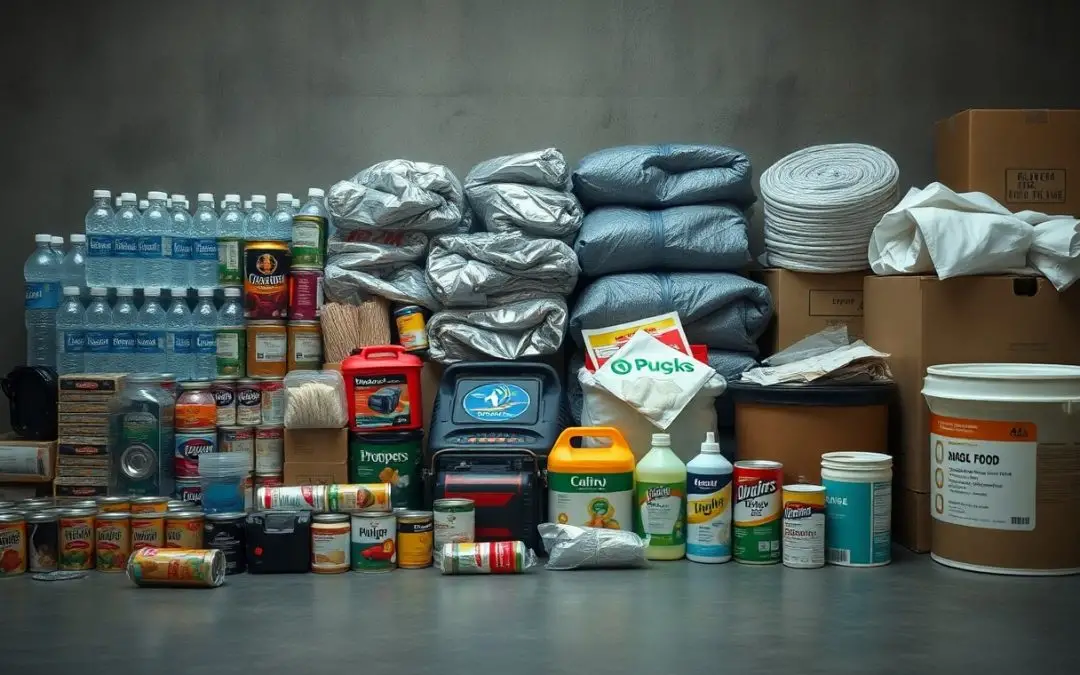
Disasters disrupt access to basic needs, and you need reliable supplies to stay safe. You will rely on clean water, non-perishable food, flashlights, batteries, first aid items, and portable radios when power and services fail. These necessarys help you manage emergencies with confidence and independence.
The Primacy of Water
You can survive only a few days without water, making it the most important supply when disasters strike. After a hurricane or earthquake, clean drinking sources may be contaminated or completely cut off. You’ll need at least one gallon per person per day for drinking and sanitation. Store water in advance in food-grade containers, and keep purification tablets or filters on hand. When supplies run low, your ability to find and treat safe water determines your safety and resilience.
Tools for the Dark
Darkness amplifies every challenge when power fails. You need reliable light sources that won’t quit mid-crisis. A durable flashlight with extra batteries outlasts candles and provides focused visibility. Consider a hand-crank lantern if battery supplies run low. These tools keep your environment safe, help signal for help, and maintain a sense of control when everything else feels uncertain.
Hard Rations
You rely on hard rations when fresh food and cooking methods vanish after a disaster. These shelf-stable foods-like energy bars, dried meats, and ready-to-eat meals-require no refrigeration or preparation. Their long expiration dates and compact size make them ideal for extended emergencies. You’ll want to stock items that deliver high calories and nutrients in small packages, ensuring sustained energy when resources are scarce.
The First Aid
You need a well-stocked first aid kit when disaster strikes. Cuts, burns, sprains, and infections become harder to treat as medical help may be hours or days away. Bandages, antiseptic wipes, pain relievers, and prescription backups matter most. Your ability to respond quickly can prevent small injuries from becoming serious. Keep your kit updated and easy to grab.
Heat and Cover
When temperatures drop after a storm or blackout, staying warm becomes a daily challenge. You’ll need reliable sources of heat that don’t depend on electricity, like propane heaters or wood-burning stoves-if used safely and with proper ventilation. Thermal blankets, sleeping bags rated for cold weather, and insulated clothing help retain body heat. A well-sealed shelter with extra layers of insulation, such as plastic sheeting or foam boards, makes a noticeable difference. Your ability to maintain warmth directly impacts your safety and stamina during prolonged outages.
The Radio
You rely on a battery-powered or hand-crank radio when power grids fail and cell networks go down. It keeps you informed about storm paths, evacuation orders, and relief efforts when other communication channels are silent. Tuning into emergency broadcasts gives you real-time updates that can shape your next move. You hear official instructions others might miss, making your radio one of the most trusted tools in crisis moments.
Conclusion
Conclusively, you rely on clean water, non-perishable food, first aid supplies, flashlights, batteries, and medications during natural disasters. These crucials sustain health and safety when infrastructure fails. Your preparedness directly determines your resilience when emergencies strike. Prioritize these items in your emergency kit to ensure immediate access when external support is delayed or unavailable.


