
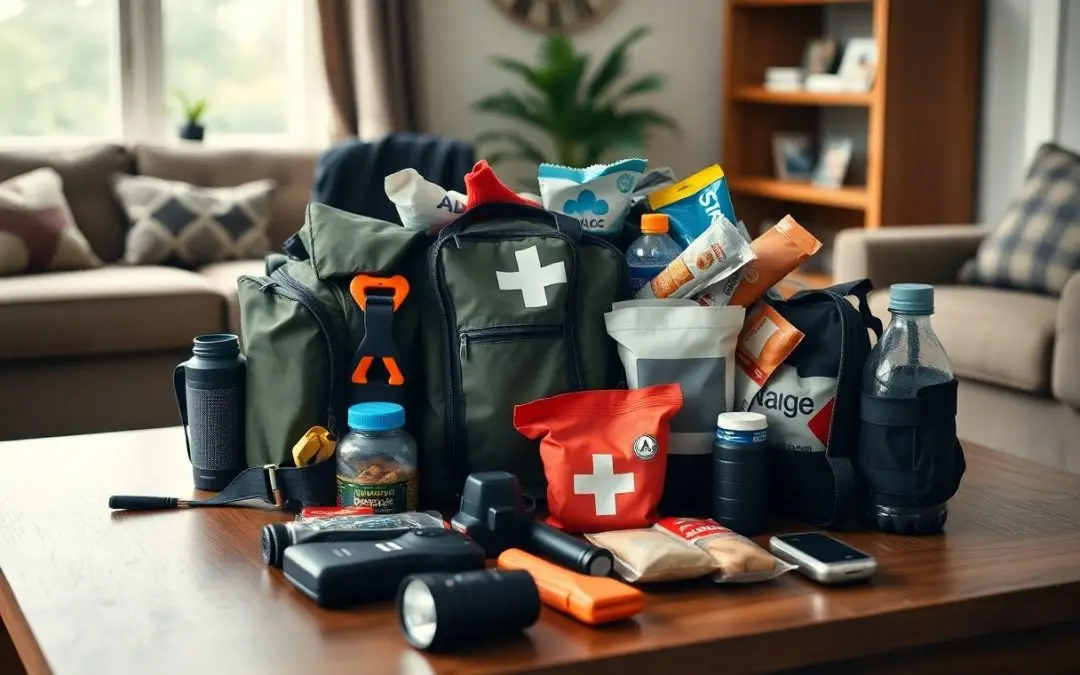
Many families overlook the importance of having a personalized go bag ready for emergencies. This imperative preparedness tool ensures that you have everything necessary for your family’s immediate needs, whether you’re facing a natural disaster or an unexpected evacuation. By tailoring the contents to your family’s specific requirements, you can enhance safety and peace of mind, making certain that you can act swiftly and effectively when seconds count.
Understanding the Need for a Go Bag
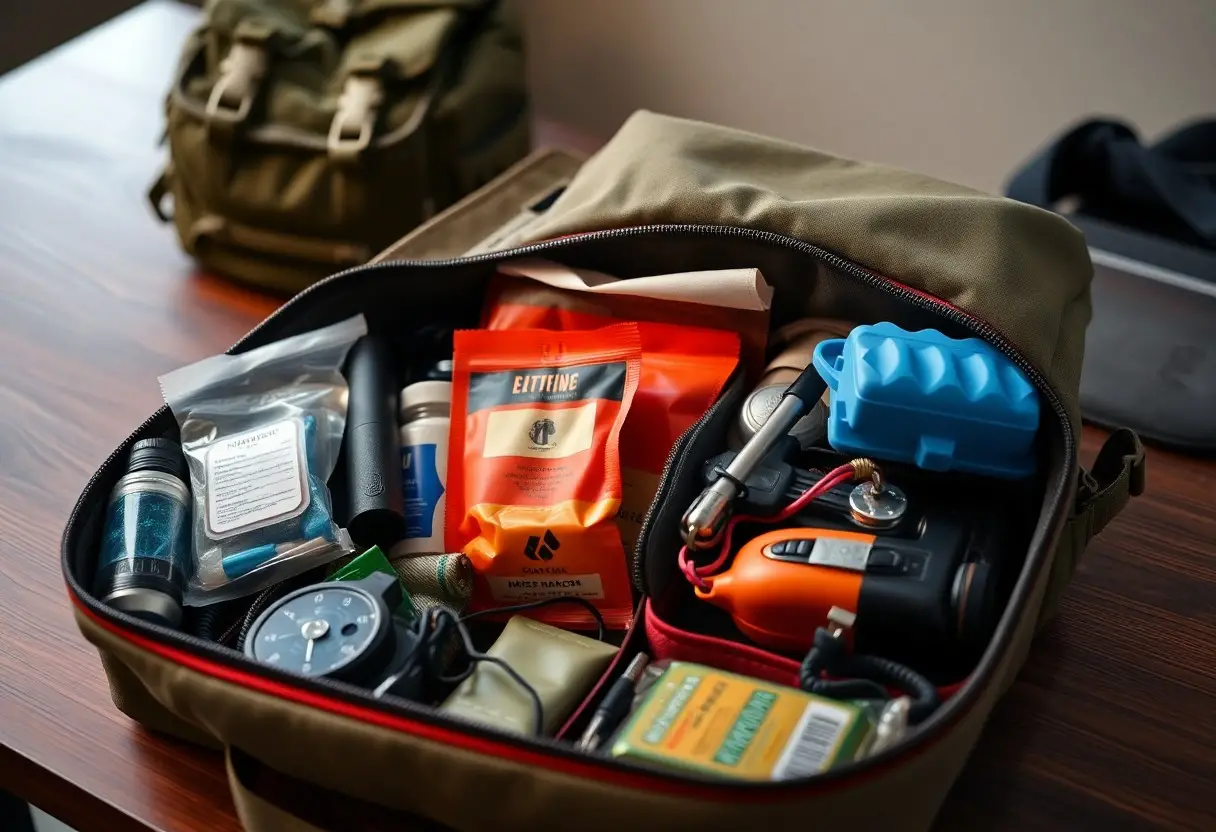
Each family faces unique situations that can arise without warning, making a personalized go bag important. This bag acts as your family’s immediate response plan, ensuring you have the necessary supplies for a quick evacuation or an unforeseen emergency. By preparing ahead of time, you minimize stress and increase your family’s safety during critical moments.
Emergency Preparedness
Being prepared for emergencies is about foreseeing potential threats and taking proactive steps. A personalized go bag ensures that you have important items at your fingertips, allowing your family to respond swiftly to disasters such as natural events or unexpected evacuations. It’s a simple yet effective way to safeguard your loved ones.
Common Scenarios Requiring a Go Bag
Natural disasters like hurricanes, wildfires, and floods are prime examples where a go bag becomes invaluable. Additionally, medical emergencies, sudden evacuations due to dangerous situations, or extended outages can necessitate having your go bag ready. Each scenario emphasizes the need for readiness in your daily life.
Consider a recent survey that found nearly 60% of households had experienced some form of emergency in the past year, highlighting the unpredictability of crises. Events like the 2020 wildfires in California displaced thousands, underscoring the importance of being prepared. When faced with insufficient time to gather belongings, having your personalized go bag ensures you can evacuate or stabilize calmly and efficiently, protecting your family and their needs in urgent situations.
Essential Items for a Family Go Bag
Your family go bag should contain crucial items that address basic survival needs during emergencies. Prioritize portability and accessibility, ensuring each family member can grab their bag quickly. Personalize it to reflect your family’s specific needs, including health requirements and comfort items, so everyone feels prepared and secure during stressful situations.
Food and Water
Include non-perishable food items and ready-to-eat meals that provide nutrition without the need for cooking. Aim for high-energy snacks like granola bars, beef jerky, and canned goods. Don’t forget to pack at least one gallon of water per person per day, ideally stored in durable, compact containers that are easy to carry.
First Aid Supplies
Your go bag should contain a well-stocked first aid kit equipped to handle minor injuries, common illnesses, and emergencies. Essential items include adhesive bandages, antiseptic wipes, gauze pads, pain relievers, and any prescribed medications for family members.
Consider tailoring your first aid kit to include specific items for each family member, such as allergy medications or special bandages for chronic conditions. Ensure you have a CPR guide, emergency contact information, and basic first aid instructions to empower everyone to respond effectively in a crisis.
Personal Documents
Gather vital personal documents, such as identification, insurance papers, and medical records, in a waterproof pouch. This information will be invaluable for medical care, lodging, and recovery assistance post-emergency, so keep it accessible yet secure.
Having these documents in your go bag allows for quick access in an urgent situation. Include copies of birth certificates, social security cards, and recent medical records for each family member. Ensure they are updated regularly and stored in a way that they remain safe from damage, reinforcing your family’s ability to navigate unexpected challenges effectively.
Customizing Your Go Bag for Family Needs
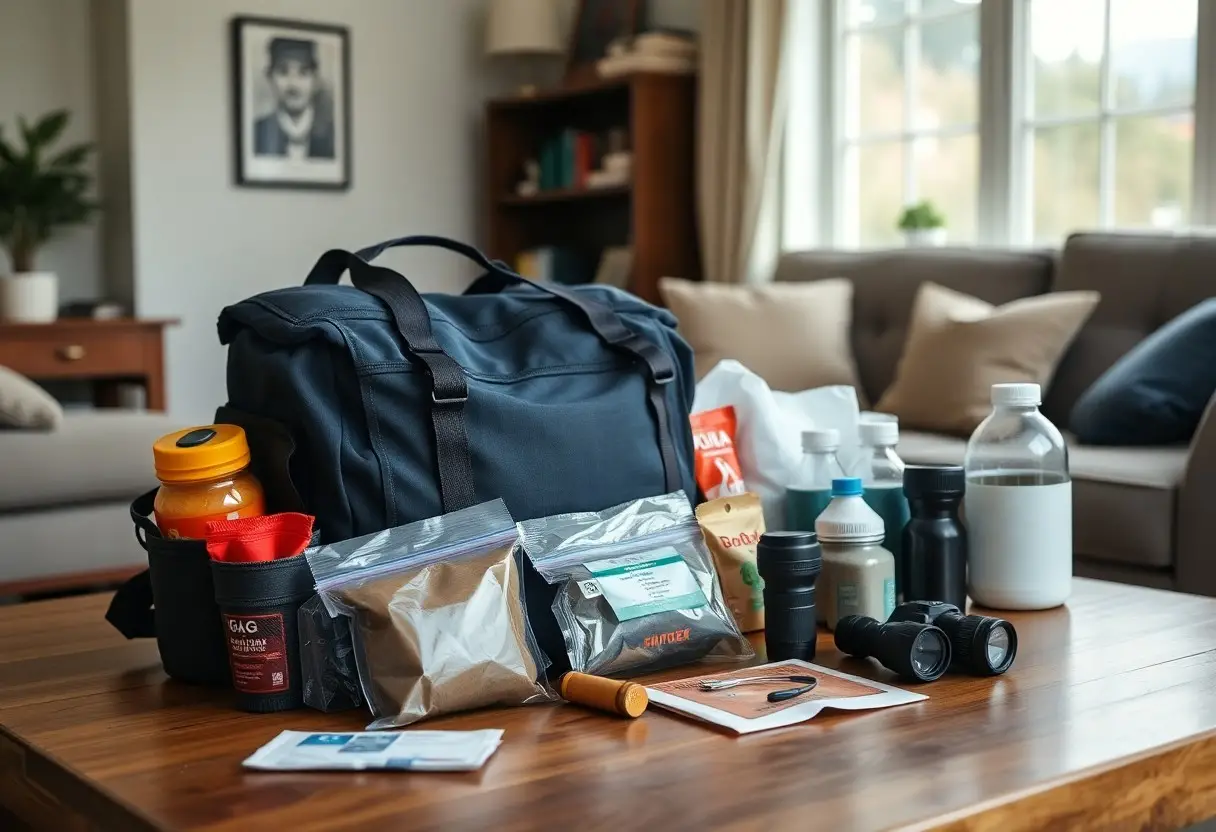
Personalizing your go bag ensures that it meets the unique requirements of your family. Consider the size of your family, their specific needs, and preferences when selecting items. You want to include necessarys that cater to every member, like snacks for kids, a favorite toy, or items that support a family member’s hobbies. A well-tailored go bag can provide comfort amidst chaos, making the situation more manageable during emergencies.
Age Considerations
When packing your go bag, think about the ages of your family members. For infants, include diapers, wipes, and formula. Toddlers may need small toys, snacks, or comfort items. Older children could benefit from activities, books, and personal items that can keep them engaged. Each age group has distinct needs that require thoughtful preparation to ensure everyone stays safe and calm.
Special Medical Requirements
Your family’s medical needs should heavily influence your go bag contents. If someone has allergies, chronic conditions, or requires ongoing medication, these should be prioritized. Be sure to pack an adequate supply of prescribed medications, allergy management items, and any necessary medical devices like inhalers or EpiPens. A detailed list of medical needs can also help caregivers respond effectively in an emergency.
Incorporating special medical requirements means including a comprehensive list detailing each family member’s health conditions and necessary treatments. For example, if someone is diabetic, ensure to pack glucose tablets and a blood sugar monitor. Additionally, consider any dietary restrictions by including suitable snacks or hydration options. By addressing these health specifics, you ensure your go bag supports health and safety when it matters most.

How to Pack and Maintain Your Go Bag
Packing and maintaining your go bag is crucial for ensuring your family’s safety and readiness during emergencies. Start by selecting a durable, easy-to-carry bag that fits your family’s needs. Include crucial items such as food, water, first aid supplies, and personal documents. Organize your bag for quick access, and routinely check the contents to ensure everything is in working order and within expiration dates.
Packing Tips
When packing your go bag, keep these helpful tips in mind:
- Choose compact, multi-use items.
- Prioritize lightweight options.
- Include comfort items for kids.
- Label compartments for easy retrieval.
- The bag should be easy to grab and go.
Regular Maintenance and Updates
Regular maintenance of your go bag is key to its efficacy. Set a schedule to review your bag at least twice a year, changing out food and medications that may expire. It’s also important to reassess your family’s needs as children grow and circumstances change, such as adding new items for pets or adjusting the quantity of supplies based on family size. Staying proactive ensures your go bag is always prepared to effectively support your family during any emergency situation.
Training Your Family for Quick Exits
Establishing a culture of preparedness within your family enhances your ability to respond swiftly during emergencies. Familiarizing each family member with evacuation routes and their specific roles can make a significant difference. Quick communication and understanding of how to access your go bag efficiently are imperative components of this training. Conducting regular discussions about potential scenarios can empower your family to act decisively when time is of the essence.
Creating an Emergency Plan
Your emergency plan should outline clear steps for each family member to follow during an evacuation. Designate meeting points and ensure everyone understands how to reach them, whether at home or in public spaces. Include emergency contact information and establish a communication method, such as text messaging, to check in during chaotic situations.
Practice Drills
Conducting practice drills helps solidify your family’s readiness and ensures everyone knows what to do in various scenarios. Regularly schedule these drills, simulating different situations like fires or natural disasters, so that family members feel comfortable and confident in their responses.
During practice drills, time each family member’s response to simulate urgency and track their ability to locate the go bag and execute the plan effectively. Encourage everyone to ask questions and offer feedback afterward to refine the process. Consider incorporating real-life events or local emergencies as context, reinforcing the importance of these drills. This routine not only builds confidence but also enhances teamwork and communication skills—both imperative during actual emergencies.
Community Resources and Support
Local Emergency Services
Familiarizing yourself with local emergency services is vital for effective disaster preparedness. Your police, fire department, and emergency medical services are invaluable resources—know their contact numbers and how to reach them in various situations. Many communities also offer mobile apps with real-time alerts and updates that can help you stay informed during emergencies.
Community Preparedness Programs
Your community likely has preparedness programs that provide training and resources to equip families for emergencies. These programs often include workshops on first aid, disaster response courses, and even neighborhood safety initiatives. Engaging in these opportunities not only builds your knowledge but also strengthens community bonds, making your neighborhood more resilient.
Community preparedness programs can vary widely, offering everything from hands-on training sessions to online resources. Many local agencies, including Red Cross chapters, conduct drills and training exercises that simulate real-life emergency scenarios. Participating in these programs can provide you with practical skills—such as how to create an emergency plan or manage a first aid kit—ensuring your family is prepared not just as individuals but as part of a cohesive community response. Networking with neighbors and local organizations during these programs also builds lasting relationships, enhancing overall communal resilience to disasters.
Final Words
Conclusively, having a personalized go bag ready to grab ensures that you and your family can respond swiftly in emergencies. This bag should contain vital items tailored to your specific needs, including food, water, medications, and important documents. By preparing in advance, you safeguard your loved ones and enhance your peace of mind. Assess your family’s unique requirements and regularly update the contents to ensure your go bag remains effective and relevant. Prioritizing this preparation empowers you to face unforeseen circumstances with confidence.


