
Getting Your Family Prepared: The Case for a Go Bag
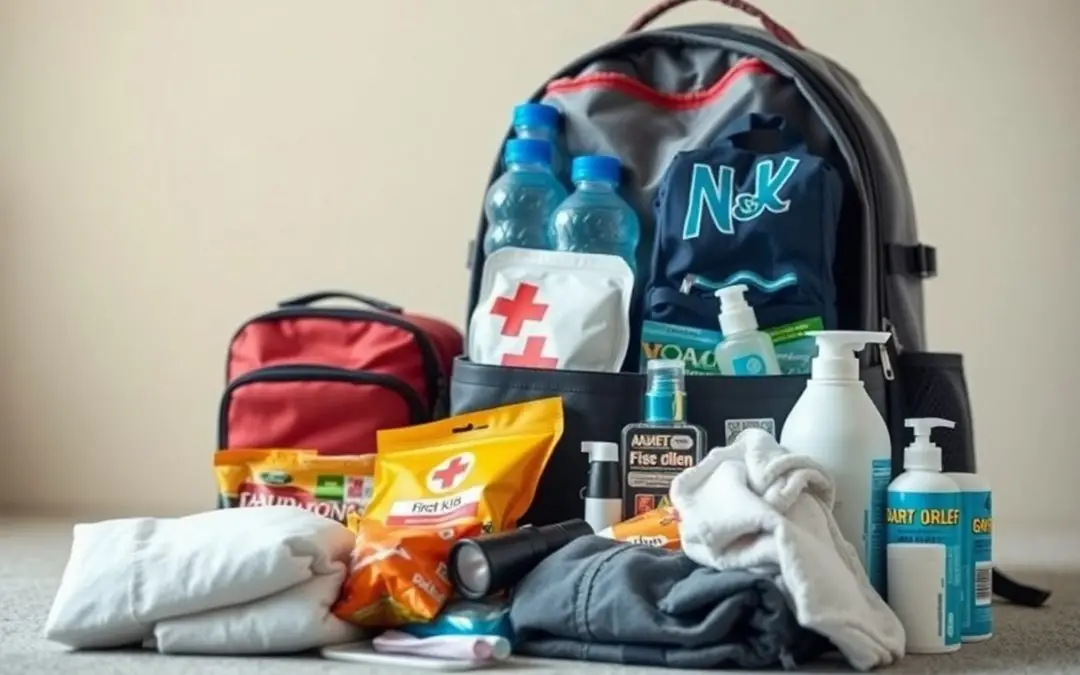
A Go Bag transforms chaos into a manageable experience during emergencies, ensuring your family has vital supplies ready at a moment’s notice. Prepared families are more resilient; studies reveal that being proactive can significantly decrease anxiety levels and improve overall safety. For instance, the Federal Emergency Management Agency (FEMA) recommends having at least three days’ worth of supplies, including food and water, for each family member. Cumulatively, for a family of four, that amounts to 12 meals and 12 gallons of water, illustrating the need for a well-organized and accessible Go Bag tailored to your family’s unique needs.
Essentials for Every Family Member
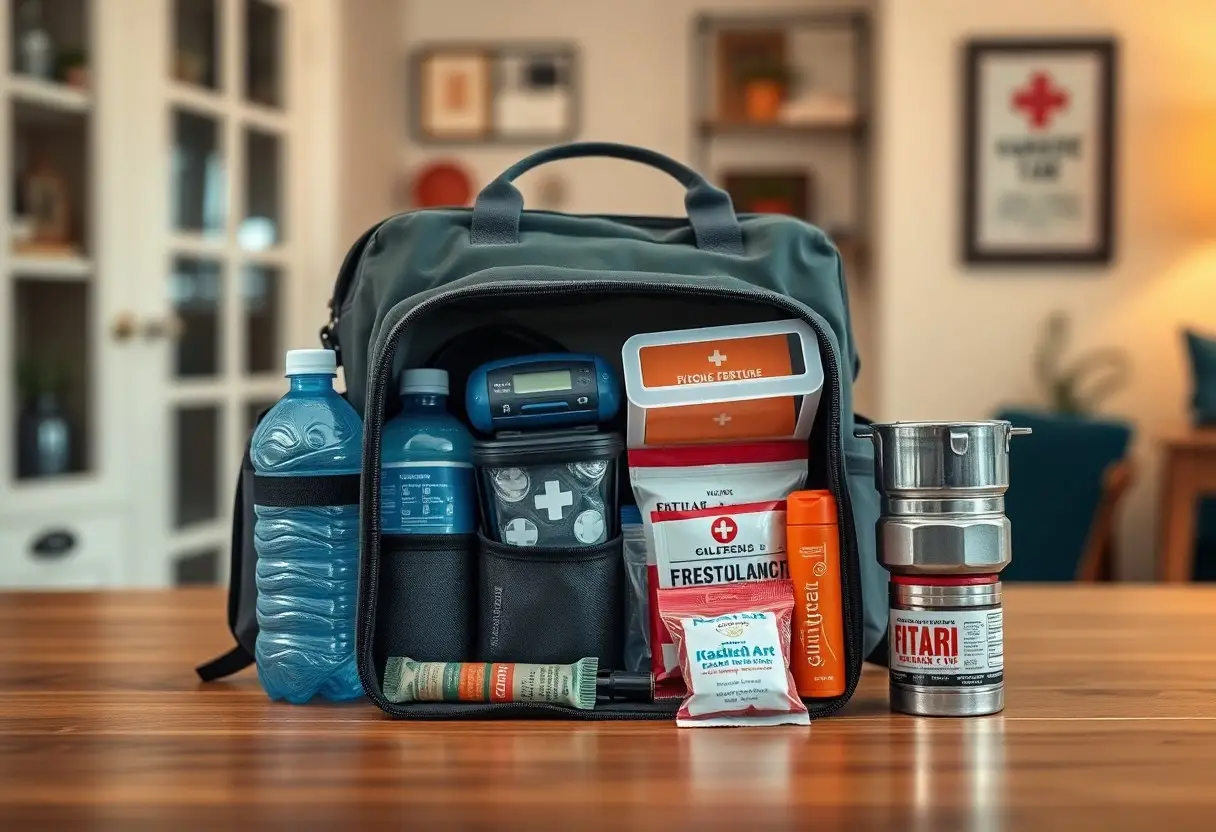
Each family member’s Go Bag should be uniquely tailored to meet their specific needs. Think beyond generic supplies; consider how ages, preferences, and individual health issues shape what each person needs. For adults, this may include medications and personal items, while kids may benefit from comfort items like stuffed animals or favorite snacks. Ensuring every member has what they require helps maintain comfort and reduces anxiety during stressful situations.
Individual Needs Assessment
Evaluate individual preferences and requirements for each family member. Adults may need vital medications and personal hygiene items, while children might prefer toys or games. Consider also the dietary restrictions and allergies of each member; accommodating these aspects ensures no one feels overlooked in times of crisis. This assessment empowers your family by recognizing diverse needs, paving the way for a well-rounded packing strategy.
Age-Appropriate Gear and Supplies
Your Go Bag should be stocked with items that align with the ages of your family members. Adults can manage more complex tools and supplies, while kids will require simpler, engaging items suitable for their developmental stages. Ensure that equipment and necessities—from clothing to snacks—are safe for their respective ages, allowing everyone to play a role in their emergency preparedness.
For younger children, consider bright-colored packs that are easy to carry and include fun, age-appropriate activities such as coloring books or small toys. Tweens might appreciate personal items, such as their favorite books or handheld games, which can provide comfort. Adults should carry self-defense tools, first aid kits, and multi-tools that can serve multiple purposes during an emergency. Offering varied, age-specific supplies builds confidence and independence in each family member, enabling the entire family to adapt effectively in challenging situations.
Crafting the Perfect Go Bag: Bag Selection and Storage
Selecting the right bag and organizing its contents ensures your family’s go bag is both functional and efficient in an emergency. Choosing a bag that fits your family’s needs will help you efficiently transport vital items, ensuring you’re always prepared for unexpected situations. Consider factors such as durability, weight, and how easily you can reach and access contents when you’re in a hurry.
Choosing the Right Bag for Mobility and Space
A backpack style bag typically works best for a family of four, allowing for easy carrying during evacuations. Look for one with an ergonomic design and padded straps to enhance your comfort over extended periods. In terms of space, aim for around 30-50 liters to accommodate vitals while maintaining transportability, ensuring you don’t weigh yourself down in a crisis.
Organizing Internal Compartments for Easy Access
Utilizing bags with multiple compartments simplifies access to specific items during emergencies. When each family member has designated pockets or bags for their personal items, locating vitals becomes a straightforward task. Keep the most critical items in easy-to-reach sections while less vital items can be stored in the deeper compartments. This organization is especially valuable in high-stress situations.
Table: Factors to Consider for Bag Selection
| Factor | Considerations |
|---|---|
| Size | 30-50 liters for family supplies |
| Style | Backpacks preferred for hands-free mobility |
| Durability | Rugged materials to withstand outdoor conditions |
| Weight | Lightweight construction for easy transport |
Investing in a bag with distinct internal compartments can greatly enhance your family’s preparedness. Utilizing color-coded pouches for each family member or category of supplies (such as first aid, food, and tools) allows for quick identification and access. You can also include a clear plastic baggie for vital documents, ensuring they stay safe and accessible when time is of the essence. Tailoring this organization will reflect your family’s unique needs, making your go bag an effective, life-saving resource should the need arise.
Table: Tips for Organizing Internal Compartments
| Tip | Description |
|---|---|
| Color-Coding | Assign colors for each family member’s contents |
| Labeling | Label each compartment for quick reference |
| Clear Bags | Use clear pouches for visibility of contents |
| Accessibility | Store high-priority items on top or in front |
Must-Have Supplies: Food, Water, and Safety Items
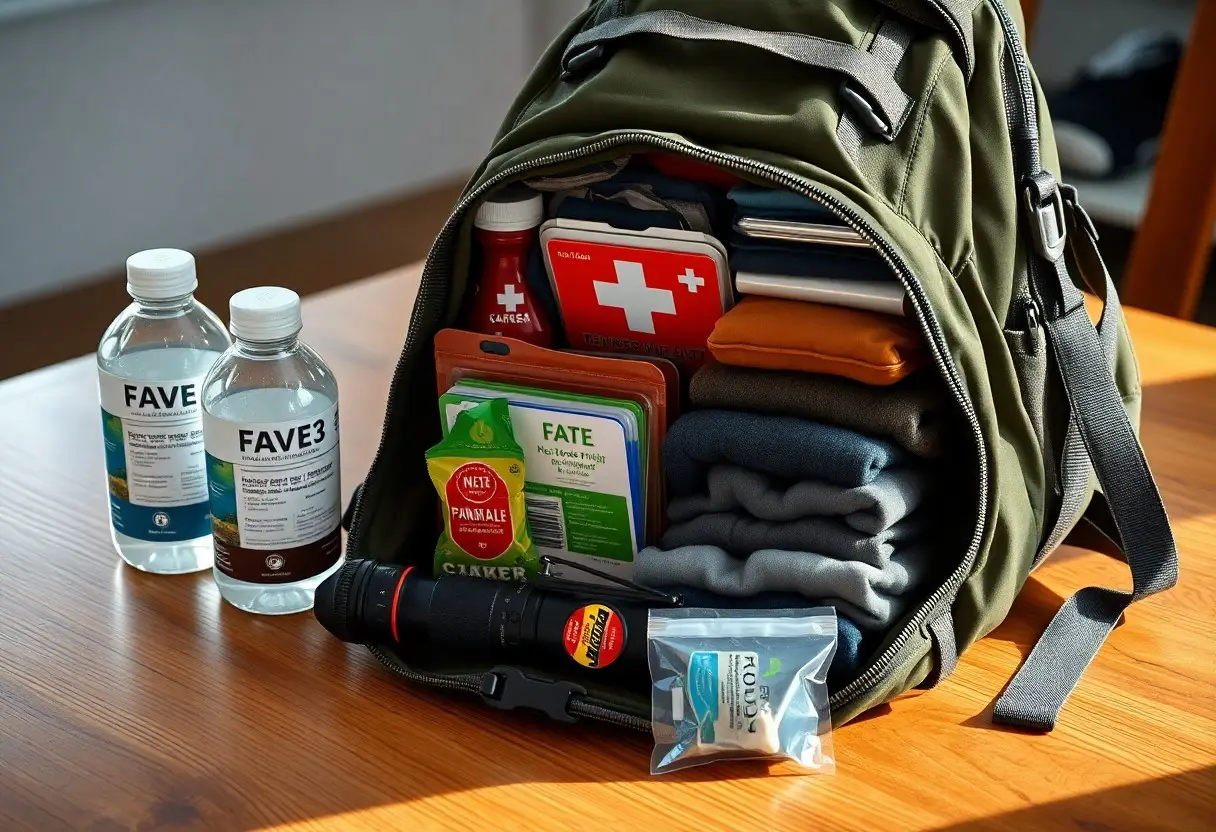
A well-rounded go bag for a family of four must include crucial supplies such as food, water, and safety items. These supplies ensure you stay nourished, hydrated, and safe during emergencies. Focus on non-perishable food options that are easy to prepare, alongside clean water sources and safety gear like first aid kits and flashlights. These items create a foundation for your go bag, allowing your family to manage basic needs while awaiting further support or evacuation.
Nutritional Needs and Emergency Food Options
Select non-perishable food items that cater to the nutritional needs of your family members, including protein, vitamins, and energy. High-calorie energy bars, canned goods, dried fruits, and freeze-dried meals are excellent choices. Ensure you also have an emergency food supply that can sustain your family for at least 72 hours, accommodating dietary restrictions and preferences wherever possible.
Water Purification and Hydration Solutions
Storing clean drinking water is crucial for your family’s health in emergencies. Aim for at least one gallon of water per person per day for a minimum of three days. Include a compact water filtration system or purification tablets in your go bag. This way, you can safely hydrate if you run out of stored water or need to access fresh water sources.
A portable water filtration system, like a LifeStraw or Sawyer Mini, is a practical solution for ensuring your family remains hydrated during emergencies. Such devices can filter out harmful bacteria, protozoa, and even sediments from natural water sources, providing peace of mind in uncertain situations. Pair your filtration system with collapsible water containers to easily store water when it’s available, making it easier to transport and access as needed. Consequently, you create a reliable hydration strategy that can adapt to various circumstances, helping your family stay safe and healthy.
Maintaining Your Go Bag: Regular Updates and Checks
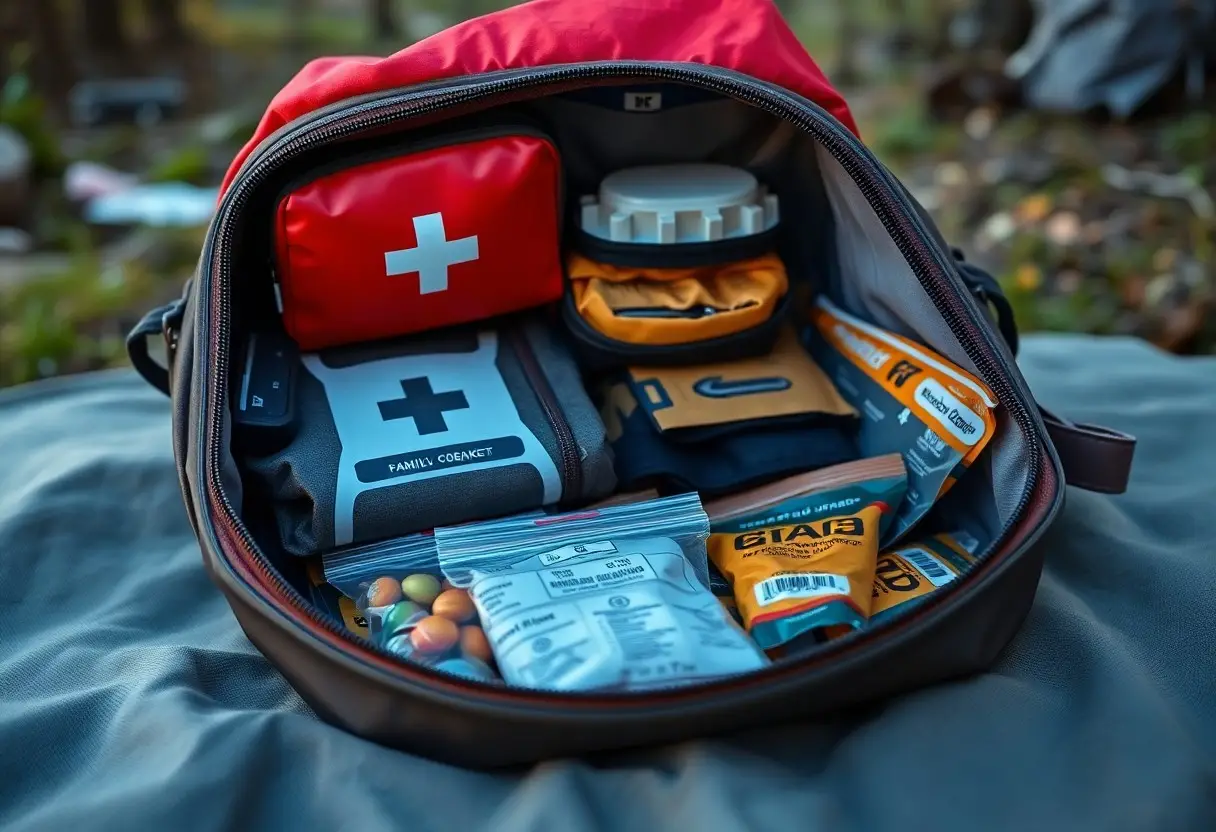
Keeping your go bag effective involves more than just packing; regular updates and checks are vital. Schedule a routine check every six months to inspect and refresh your supplies. This ensures food items remain within their expiration dates, gear is functioning properly, and your family’s needs are accurately reflected. Over time, preferences and requirements can evolve, especially for growing children, so reassessing your go bag guarantees it meets your family’s current circumstances.
Seasonal Adjustments and Supply Expiration
Adapting your go bag seasonally is key to ensuring its effectiveness. Replace summer items like sunscreen with winter vitals such as gloves and thermal blankets. Additionally, monitor food and medical supplies for expiration dates; rotate out perishables to keep the go bag useful. By adjusting supplies and gear each season, you also stay prepared for varying emergencies throughout the year.
Family Drills: Practice Makes Perfect
The effectiveness of a go bag also depends on how familiar your family is with its contents and emergency procedures. Conducting regular drills helps everyone understand how to quickly access the bag and use its supplies effectively. You might practice various scenarios, such as evacuating the house due to a fire or a natural disaster, allowing each family member to play a role. This hands-on experience reinforces knowledge and builds confidence, ensuring everyone knows what to do in an actual emergency.
During drills, involve the whole family in specific tasks, such as who grabs the go bag and who assists younger siblings. Set a timer to increase urgency and simulate real-life conditions. Such practice helps to identify any weaknesses in your preparedness plan, allowing you to make necessary adjustments. Over time, these drills not only increase familiarity but also foster teamwork, ensuring your family remains calm and collected during emergencies.
To wrap up
So, packing a go bag for your family of four involves careful planning and consideration of each member’s needs. Start by gathering vital items like food, water, clothing, first aid supplies, and important documents. Make sure to involve your family in the process to ensure everyone is prepared and knows where to find things in an emergency. Regularly review and update your go bag to keep it relevant. By taking these steps, you’ll be ready for any situation that may arise, ensuring safety and peace of mind for your loved ones.


