
Just as you prepare for natural disasters and unexpected events, understanding the role of oxygen concentrators and medical devices is vital for your emergency planning. These devices provide vital support for individuals with respiratory conditions and can ensure access to necessary medical care when needed most. By integrating these tools into your emergency kit, you can better safeguard your health and well-being, enabling you to respond more effectively in times of crisis.
Understanding Oxygen Concentrators
In any emergency situation, having access to an oxygen concentrator can be vital for individuals with respiratory issues. These devices extract oxygen from the surrounding air, providing a steady supply to those in need, ensuring they can breathe easily even in challenging circumstances.
What Are Oxygen Concentrators?
Oxygen concentrators are medical devices that filter and concentrate oxygen from ambient air. They are designed to deliver a consistent flow of oxygen to patients who experience difficulty breathing, helping improve their oxygen saturation levels significantly.
Types of Oxygen Concentrators
There are two primary types of oxygen concentrators: portable and stationary models. Portable units are designed for use on the go, often featuring battery operation for mobility. Stationary units provide continuous flow oxygen and are typically larger, used in home settings.
| Type | Description |
| Portable | Lightweight and battery-operated, ideal for travel. |
| Stationary | Designed for home use, providing continuous oxygen flow. |
| Pulse Dose | Senses breathing and delivers oxygen in pulses. |
| Continuous Flow | Delivers a constant flow regardless of breathing. |
| Homefill System | Allows users to fill portable tanks from a stationary unit. |
Choosing the right type of oxygen concentrator depends on your specific needs and lifestyle. For instance, if you often travel, a portable option is better suited, while stationary models are ideal for consistent use at home. Understanding these variations can help you prepare for emergencies effectively.
- The choice of oxygen concentrator can significantly impact your preparedness during an emergency.
| Feature | Benefit |
| Weight | Portable units are typically lighter for easy transportation. |
| Power Source | Battery-operated options allow for flexibility in various settings. |
| Oxygen Delivery | Pulse dose models optimize oxygen usage based on demand. |
| Accessibility | Home systems can be linked to additional shopping or filling components. |
| Durability | Well-built models can withstand the demands of emergency use. |
- The variety of features across different oxygen concentrators ensures you can find the right fit for your emergency preparedness plan.
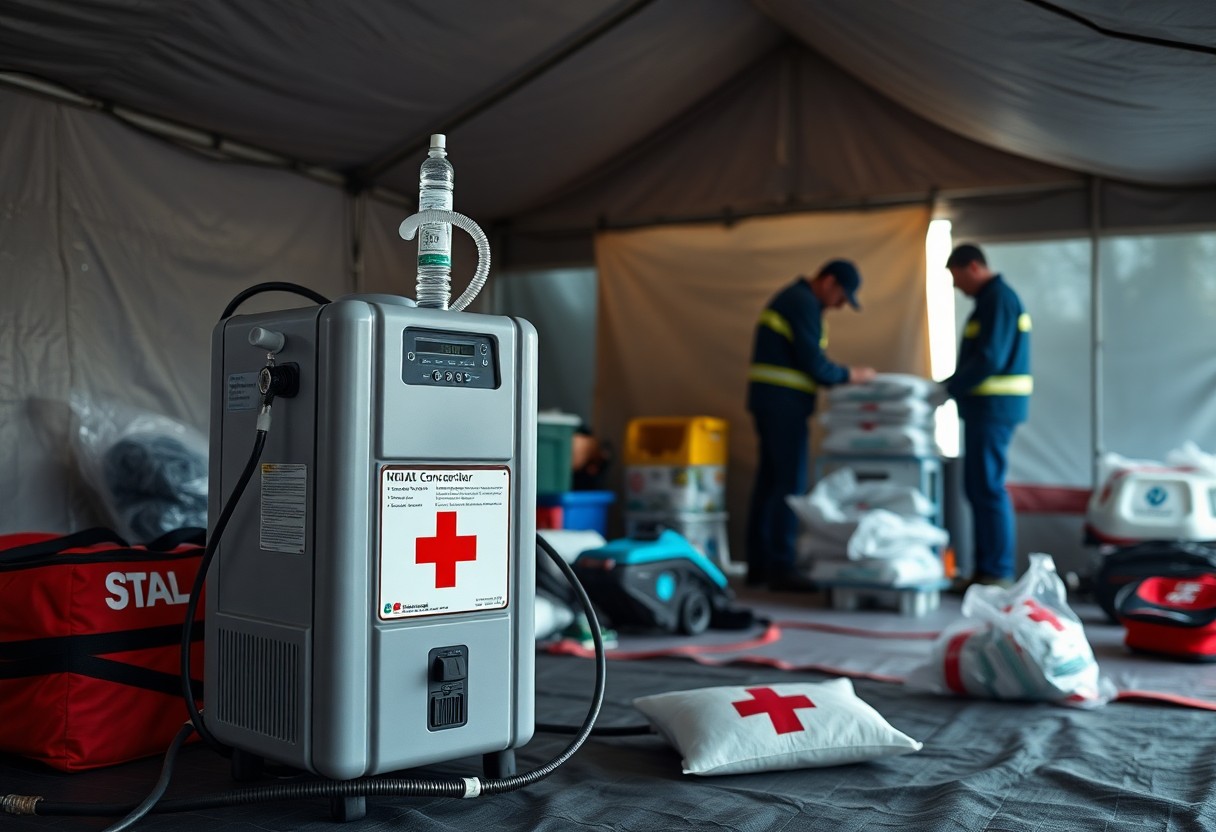
The Role of Medical Devices in Emergency Preparedness
In emergency situations, medical devices serve as imperative lifelines, enabling prompt medical responses and supporting individuals with specific health needs. You may rely on devices like oxygen concentrators, insulin pumps, or nebulizers that ensure continuity of care. Their presence can significantly affect outcomes, particularly for those with chronic illnesses. With effective planning and access to these devices, you can enhance your resilience in the face of unexpected health crises.
Essential Medical Devices for Emergencies
Having a stockpile of imperative medical devices can make a significant difference during emergencies. You should consider portable oxygen concentrators, first aid kits, glucose monitors, and any patient-specific devices required for your health conditions. By preparing a comprehensive list of these devices, you can ensure that critical medical needs are met, allowing for better management of health during crises.
Importance of Accessibility and Reliability
Accessibility and reliability of medical devices can mean the difference between stable health and emergency complications. You need devices that are easy to access in emergencies, whether you’re at home or evacuating quickly. Ensuring that these devices are reliable and functioning properly helps avert potential health risks. Regular checks and updates to your emergency medical kit will keep you prepared to respond effectively when the situation arises.
Accessibility goes beyond just physical availability; it also encompasses the ability to operate the devices without hurdles. You might need to have a good understanding of how each device functions and conduct regular maintenance checks to ensure they work when needed. In scenarios such as power outages or evacuation, knowing how to use your devices in various settings enhances your preparedness significantly. Familiarity with procedures, alongside accessibility, builds a solid foundation for managing health effectively during emergencies.
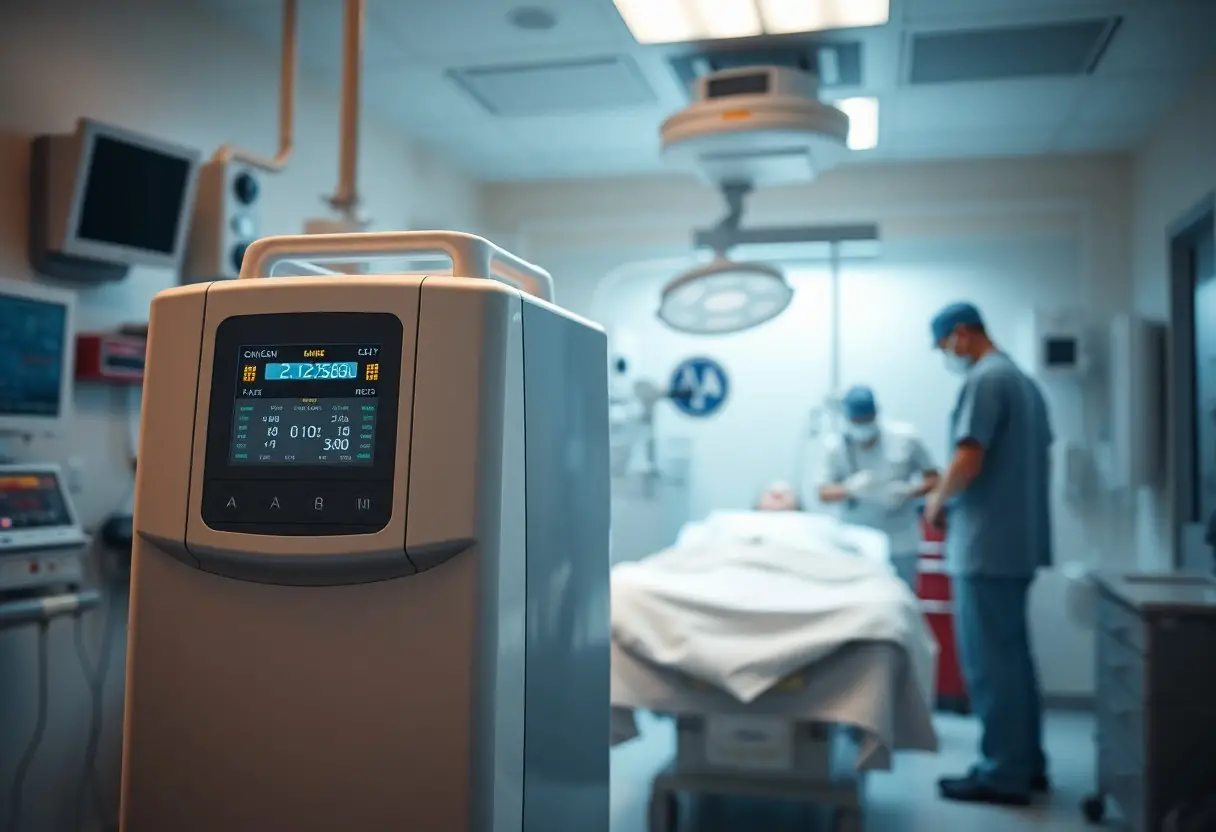
Key Benefits of Oxygen Concentrators in Emergencies
Oxygen concentrators offer vital support during emergencies, providing a reliable source of oxygen for individuals with respiratory conditions. They give you the flexibility to maintain oxygen therapy at home or in various settings, ensuring you can respond effectively to crises. Their portability and ease of use make them imperative for disaster preparedness, allowing you to transport necessary medical care where it’s needed most.
Enhancing Patient Care
Utilizing oxygen concentrators in emergencies significantly enhances patient care by delivering targeted oxygen therapy. This not only alleviates symptoms but also improves overall patient comfort. With a focus on individual needs, they can be adjusted easily to deliver the required oxygen levels, helping you manage your condition efficiently in stressful situations.
Ensuring Continuity of Treatment
Oxygen concentrators play a critical role in ensuring continuity of treatment during emergencies. They provide an uninterrupted supply of oxygen for those who depend on it, preventing potential health complications. This device’s ability to adapt to your specific oxygen needs means that you remain stable, regardless of external circumstances.
In an emergency, the significance of uninterrupted oxygen therapy cannot be overstated. Studies indicate that maintaining consistent oxygen levels can reduce hospitalization rates and improve long-term outcomes for patients with chronic respiratory illnesses. Your oxygen concentrator allows you to maintain prescribed treatment protocols even when traditional medical facilities may be compromised. This is particularly noteworthy during natural disasters or healthcare disruptions, where access to medical resources can be limited. By having a dependable oxygen source at your disposal, you can effectively manage your health and minimize the risks associated with sudden changes in your care environment.
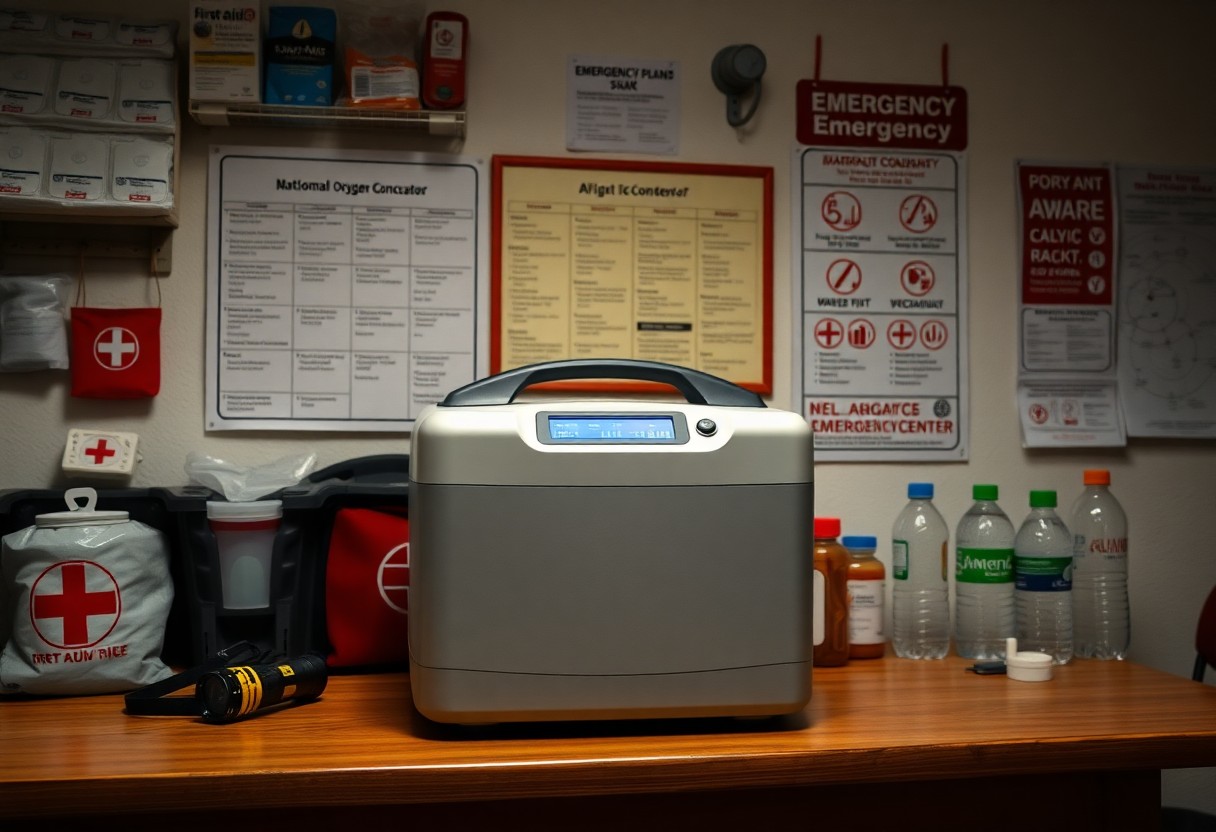
Preparing for Emergency Situations
In emergencies, your preparedness can significantly impact outcomes, especially when it involves health conditions that necessitate medical devices. You should ensure that all necessary equipment is readily accessible, regularly maintained, and capable of functioning during power outages. This includes not only oxygen concentrators but also other medical devices vital for your unique health needs. Formulating a response plan beforehand allows you to act decisively, protecting yourself and your loved ones during crises.
Creating a Comprehensive Emergency Plan
Your emergency plan should outline clear steps for different scenarios, such as natural disasters or medical emergencies. Include contact information for local hospitals, nearby family members, and your healthcare providers. Ensure your vital medical devices, including oxygen concentrators, have a designated storage space that everyone knows about. Regularly review and update your plan based on changes in your health status or household composition.
Training and Resources for Emergency Readiness
Investing time in training ensures that you are well-prepared for emergencies. Familiarize yourself with the set-up and functionality of your oxygen concentrator, so you can swiftly deploy it if needed. Resources like the Red Cross offer first-aid and emergency preparedness courses, helping you gain both confidence and competence. Having practiced scenarios can alleviate stress and ensure that you handle emergencies effectively, ultimately improving outcomes for you and your family.
Regulations and Standards in Medical Devices
Regulations and standards play necessary roles in ensuring that medical devices, including oxygen concentrators, are safe, effective, and reliable. You benefit from these regulations as they encompass manufacturing practices, performance testing, and quality assurance protocols, minimizing risks associated with malfunctioning devices during critical situations.
Certification and Compliance
To confirm safety and effectiveness, medical devices must meet stringent certification and compliance requirements set by regulatory bodies like the FDA. You can trust that certified devices undergo rigorous testing, ensuring they meet the necessary performance standards and that manufacturers adhere to quality control processes, enhancing your peace of mind.
Impact on Patient Safety and Efficacy
Adhering to regulations directly influences patient safety and device efficacy. You can rely on certified oxygen concentrators to provide consistent performance under various conditions, reducing the likelihood of device failure during emergencies, ultimately improving outcomes for patients.
For instance, a study found that more than 30% of non-compliant oxygen concentrators exhibited performance inconsistencies, raising serious concerns in emergencies. With certified devices, you gain access to reliable support, ensuring that the concentration of oxygen delivered meets prescribed medical guidelines. This combination of regulations, compliance, and efficacy can lead to better management of chronic respiratory conditions, reducing hospitalizations and improving overall patient outcomes.
Conclusion
From above, it is clear that oxygen concentrators and medical devices play a significant role in your emergency preparedness plan. These items ensure you can maintain necessary medical support during crises, providing peace of mind for you and your loved ones. By incorporating these devices into your emergency kit, you enhance your ability to respond effectively to medical needs, safeguarding your health and well-being in unpredictable situations.


