
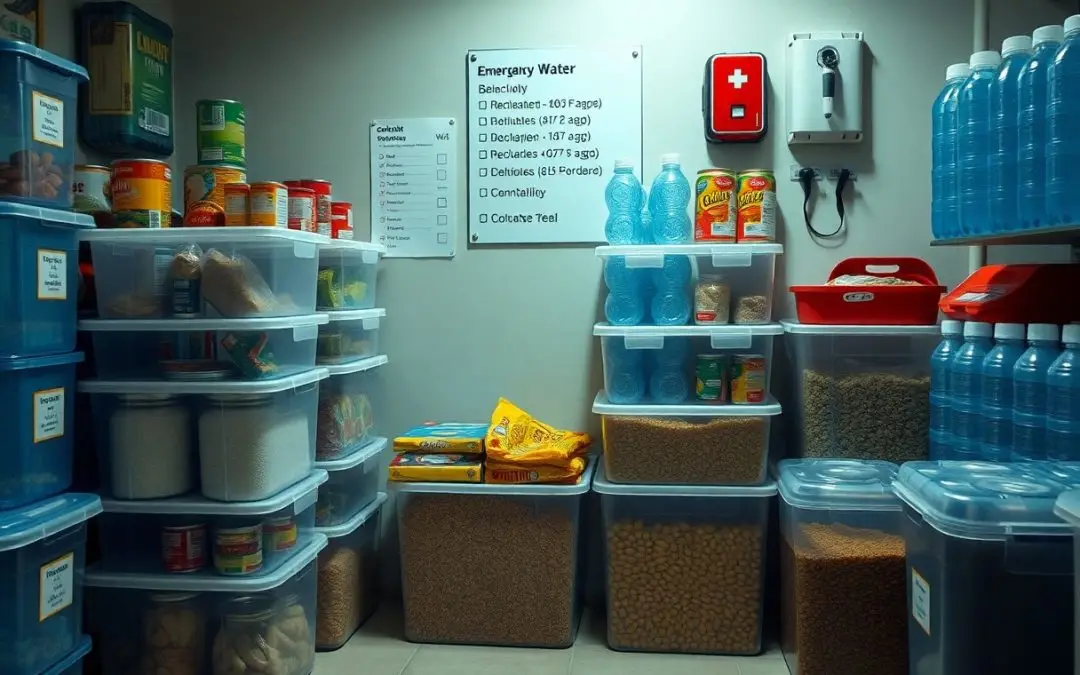
Just preparing for emergencies requires careful planning, especially when it comes to food and water storage. You need to ensure that you have enough supplies to sustain you and your family during unexpected situations. In this guide, you’ll learn what items to pack, the recommended quantities, and tips for effectively storing these vitals to help you stay safe and nourished when it matters most.
Understanding Emergency Needs
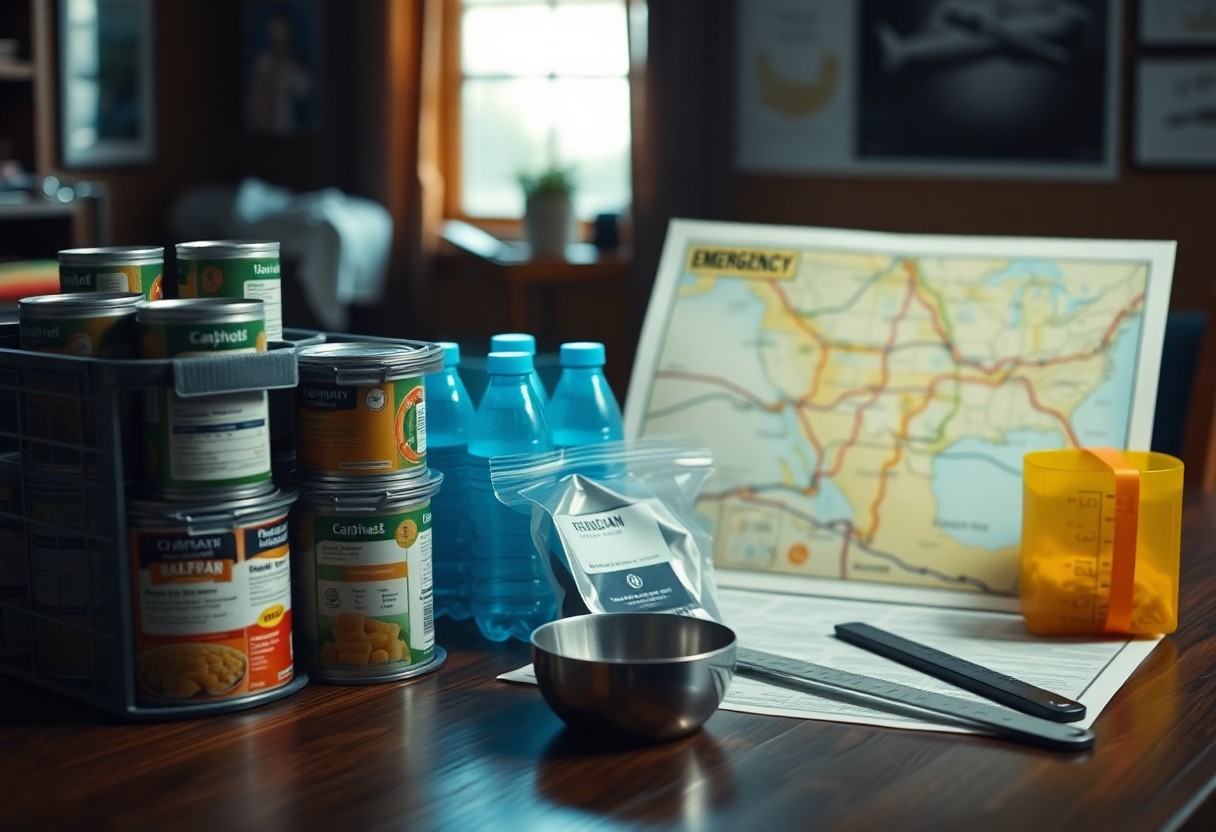
Your emergency preparedness begins with a clear understanding of your specific needs. This involves considering dietary restrictions, health conditions, and the number of individuals in your household. Aim for a balance between nutrition and convenience, focusing on non-perishable items that can sustain you for an extended period. A general guideline suggests at least a two-week supply of food and water, equating to one gallon of water per person per day, in addition to calorie-dense food items.
Assessing Personal and Family Requirements
Considering Local Risks and Disasters
Essential Food Items to Pack
Your emergency food supply should consist of long-lasting, nutritious items that require minimal preparation. Start by selecting foods that can sustain you and your family for at least three days, ideally a week or more. Consider high-calorie options like energy bars, canned goods, and freeze-dried meals. Don’t overlook hydration; include powdered drink mixes or electrolyte packets to maintain energy levels.
Non-Perishable Foods
Focus on stocking up on non-perishable foods that can withstand temperature changes and have extended shelf lives. Canned vegetables, fruits, beans, and meats are excellent choices. Whole grains like brown rice, quinoa, and oats provide crucial carbohydrates, while nut butters and dried fruits offer healthy fats and sugars. Ensure that any packaged items are sealed and far from their expiration dates.
Special Dietary Considerations
When planning your emergency food storage, factor in specific dietary needs for yourself or your family members. Whether it’s allergies, intolerances, or preferences like vegetarianism or veganism, your food supply should reflect these considerations to ensure everyone can eat safely and comfortably.
For example, if you have gluten sensitivity, opt for gluten-free grains and snacks, such as quinoa, rice cakes, and gluten-free energy bars. For those on a vegetarian or vegan diet, focus on plant-based protein sources like canned beans, lentils, and shelf-stable soy products. Always check labels for allergens and nutritional content to ensure your emergency stash meets your dietary needs without compromising health during a crisis.
Recommended Water Storage Guidelines
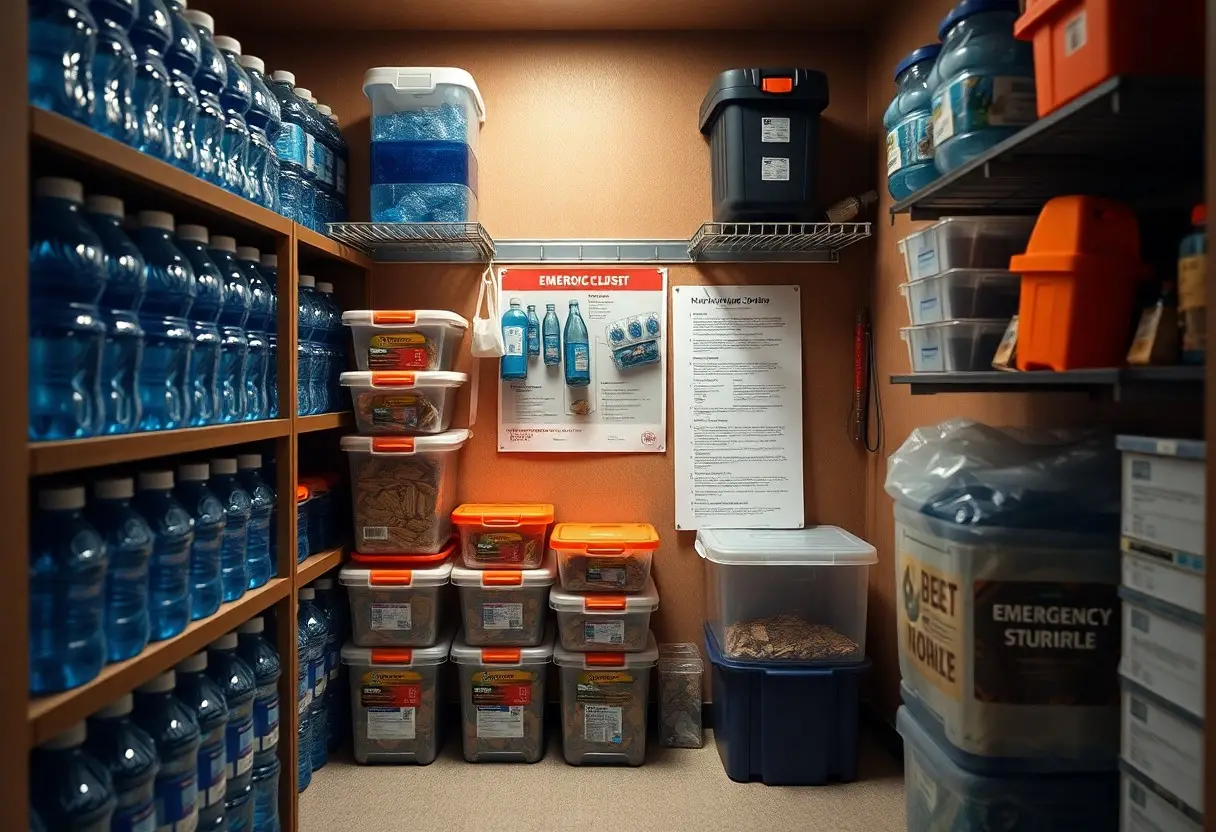
Water is imperative for survival, and proper storage is key. Store at least one gallon of water per person per day, accounting for a minimum of three days’ supply. This includes water for drinking, cooking, and hygiene. If you have pets, plan for their needs as well. Whole families should calculate total water needs to ensure everyone is prepared during an emergency.
Calculating Water Needs
To calculate your water needs, consider each family member’s requirements, which average about one gallon per person daily. Factor in additional needs for high heat, physical activity, or medical conditions. In a household with four people, preparing at least 12 gallons will cover three days of hydration and hygiene. Adjust the calculation based on specific circumstances in your household.
Proper Water Storage Techniques
Storing water correctly ensures its safety and longevity. Use food-grade, BPA-free containers and keep them sealed to avoid contamination. Fill containers with tap water and treat with unscented bleach if needed, using 1/8 teaspoon per gallon. Store your water in a cool, dark location, and rotate your supply every six months to maintain freshness.
For effective water storage, choose containers designed for long-term use, such as 5-gallon jugs or large tanks. Ensure they are clean and sanitized before use; rinse with a mild bleach solution, then refill with water. Label each container with the date of storage. Regularly check and replace water to guarantee it’s always safe for drinking. Consider adding water purification tablets or filters to your storage plan for added safety in emergencies.
Packing and Storing Your Supplies
Efficient packing and storage of your emergency food and water supplies ensures easy access and longevity. Organize your items by categories, such as grains, proteins, and water, using clear labeling to quickly identify each type. Packing in uniform containers helps optimize space, making it easier to stack and store efficiently, whether in a pantry, basement, or dedicated storage area.
Storage Containers and Locations
Select airtight, moisture-resistant containers to prevent spoilage and pest invasions. Plastic bins with tight-fitting lids, mylar bags with oxygen absorbers, and glass jars are excellent choices. Choose a cool, dark, and dry location for storage, like a basement or a dedicated shelf away from direct sunlight, which can degrade food quality over time.
Rotation and Maintenance of Supplies
Regularly inspect your supplies for expiration dates and any signs of damage. Implement a first-in-first-out (FIFO) system by placing newer items behind older ones to ensure you use your supplies in a timely manner. Develop a schedule for updating your stock, ideally every six months, to minimize waste and keep your provisions fresh.
To maintain your emergency food and water supplies effectively, keep detailed records of purchase dates and expiration dates for each item. This practice alerts you when items are nearing their expiration, allowing for timely rotation. Also, consider incorporating regular checks into your routine; a quick monthly review can alert you to potential issues such as broken seals or container damage, safeguarding your preparedness plan.
Creating a Balanced Emergency Supply Kit
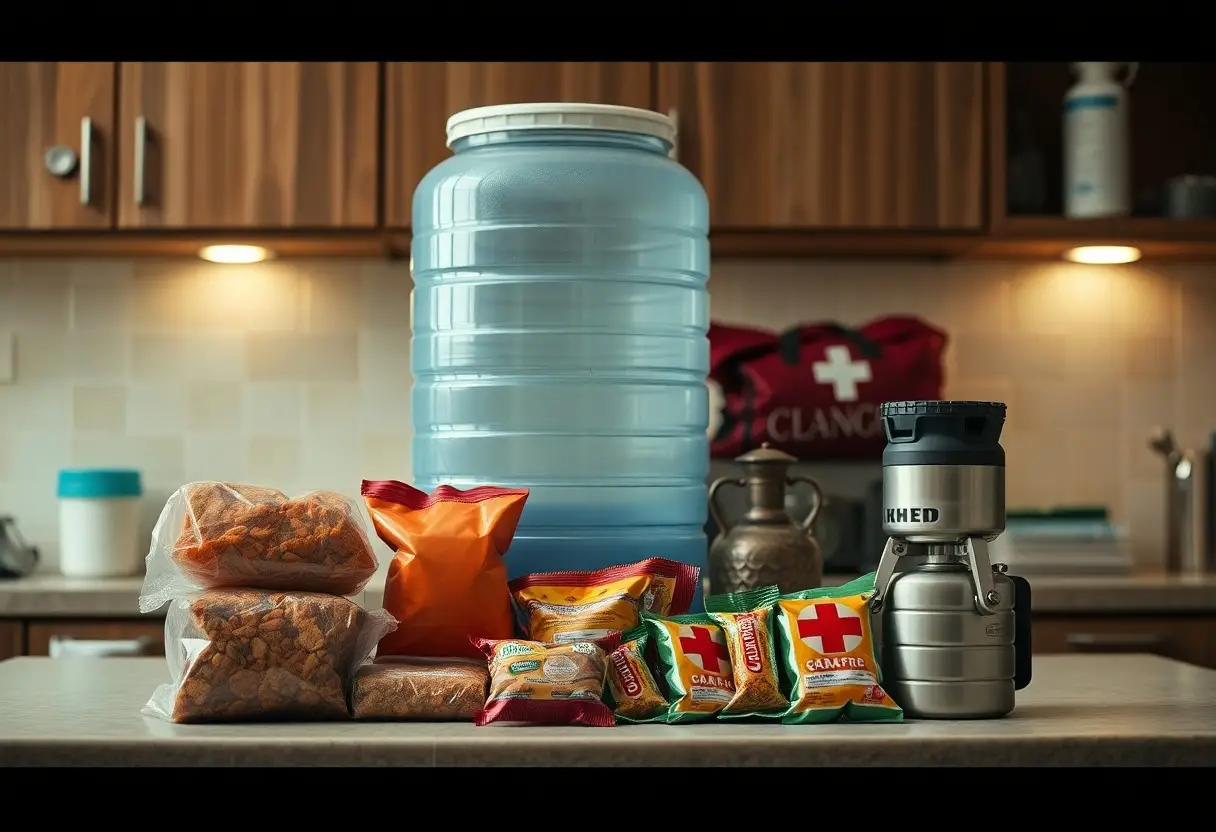
To effectively prepare for emergencies, assembling a balanced supply kit is crucial. Your kit should include a variety of non-perishable food items, fresh drinking water, first aid supplies, hygiene products, tools, and necessary documents. Each element contributes to a comprehensive strategy for survival, ensuring you have what you need to navigate potential crises while maintaining your health and safety.
Combining Food, Water, and Other Essentials
Your emergency kit should prioritize a combination of food, water, and other crucials to create a well-rounded resource. Aim for easy-to-prepare meals that require little cooking, such as canned goods, freeze-dried meals, and energy bars. Pair these with at least one gallon of water per person per day, plus additional supplies of hygiene products like soap and hand sanitizer, and crucial tools such as can openers and flashlights.
Importance of First Aid and Hygiene Items
First aid and hygiene items play a vital role in your emergency supply kit. Having a stocked first aid kit can prevent infections and manage injuries while minimizing the risk of prolonged health issues. Hygiene products, including wipes, sanitizers, and menstrual supplies, help maintain personal hygiene, which is crucial for mental well-being and overall health in stressful situations.
In emergency scenarios, the ability to address minor injuries and maintain hygiene can significantly impact your health outcomes. A well-prepared first aid kit typically includes adhesive bandages, antiseptic wipes, gauze, and pain relievers. Keeping a supply of hygiene products, such as toothbrushes, toothpaste, and wet wipes, is equally important for promoting morale and preventing illness. Regularly check and replenish your supplies to ensure they are ready when you need them most.
Planning for Long-Term Storage
When planning for long-term storage of emergency food and water, you need to consider factors such as temperature, humidity, and light exposure. Ideal storage conditions are a cool, dry, and dark place that maintains a consistent temperature, allowing your supplies to last longer. Use airtight containers to prevent spoilage, and ensure that you have appropriate supplies to accommodate varying needs over time, including dietary restrictions.
Shelf Life of Emergency Supplies
The shelf life of emergency supplies varies widely depending on the type of food and storage conditions. Dry goods like rice and beans can last up to 30 years when stored properly, while canned goods typically maintain quality for 2 to 5 years. Always check labels for specific expiration dates and consider rotating supplies to ensure freshness.
Resupply and Expiration Monitoring
Effective resupply and expiration monitoring involves regularly reviewing your storage inventory and noting expiration dates on all items. This practice ensures that you replace supplies that are nearing their expiration and keeps your stockpile current and usable when emergencies arise.
To implement an efficient resupply and expiration monitoring system, establish a calendar reminder to check your supplies every six months. Create a log to track expiration dates, and label items with the date of purchase or expiration to provide a clear overview at a glance. Consider using a first-in, first-out method to ensure that older products are used before newer ones. By maintaining an organized inventory, you can minimize waste and guarantee that your emergency supplies remain safe and effective for when you need them most.
Final Words
Ultimately, having a well-thought-out emergency food and water storage plan is vital for your preparedness. Assess your family’s needs, create a diverse stockpile of non-perishable items, and ensure you have sufficient water for at least three days. Regularly review and rotate your supplies to maintain freshness. With a little effort and planning, you can secure peace of mind knowing that you are equipped to face unforeseen challenges.


