
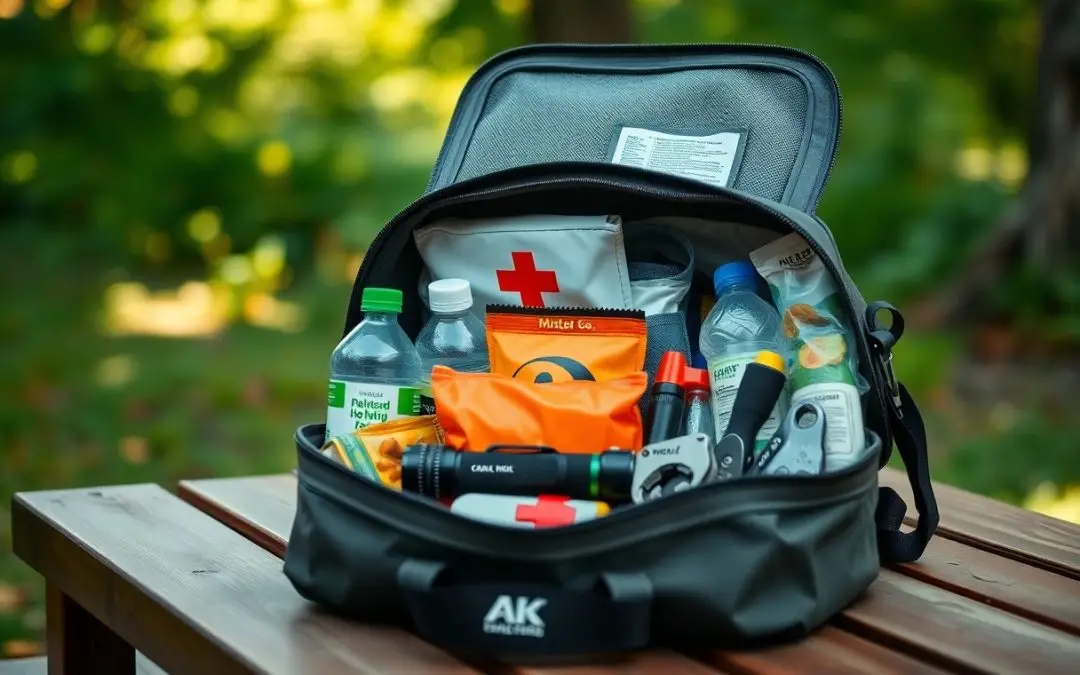
There’s no telling when an emergency may strike, which is why having a well-prepared go bag is vital for you and your family. This crucial kit should be equipped with supplies that cater to your specific needs, ensuring you can handle various unexpected situations. In this guide, you’ll discover the must-have items for your go bag that will keep you safe, equipped, and ready to act decisively when it matters most.
Key Components of a Go Bag
Your go bag must contain several important components to ensure your safety and comfort during an emergency. These components range from food and water supplies to tools and first aid kits, all tailored to meet immediate survival needs. Assess your environment and personal requirements to customize your go bag for maximum effectiveness.
Food and Water Supplies
Stock your go bag with at least a three-day supply of non-perishable food items and water. Options like energy bars, canned goods, and dehydrated meals provide calories without needing refrigeration. Additionally, include a portable water filter or purification tablets to ensure access to safe drinking water when supplies are low.
First Aid Kit Essentials
A well-equipped first aid kit is indispensable for handling injuries during an emergency. Include bandages, antiseptic wipes, gauze, adhesive tape, and antiseptic ointment. Also ensure your kit has important medications like pain relievers and any prescriptions you may need, tailored to your family’s specific health concerns.
Furthermore, a comprehensive first aid kit should contain specialized items such as a triangular bandage for slings, a mylar blanket for warmth, and a pair of disposable gloves to prevent contamination during treatment. Consider adding a first aid manual for guidance, especially if addressing injuries outside of common scenarios. Regularly check and update your first aid supplies to ensure everything is in date and in good working condition, ready for when you need it most.
Personal Safety Items
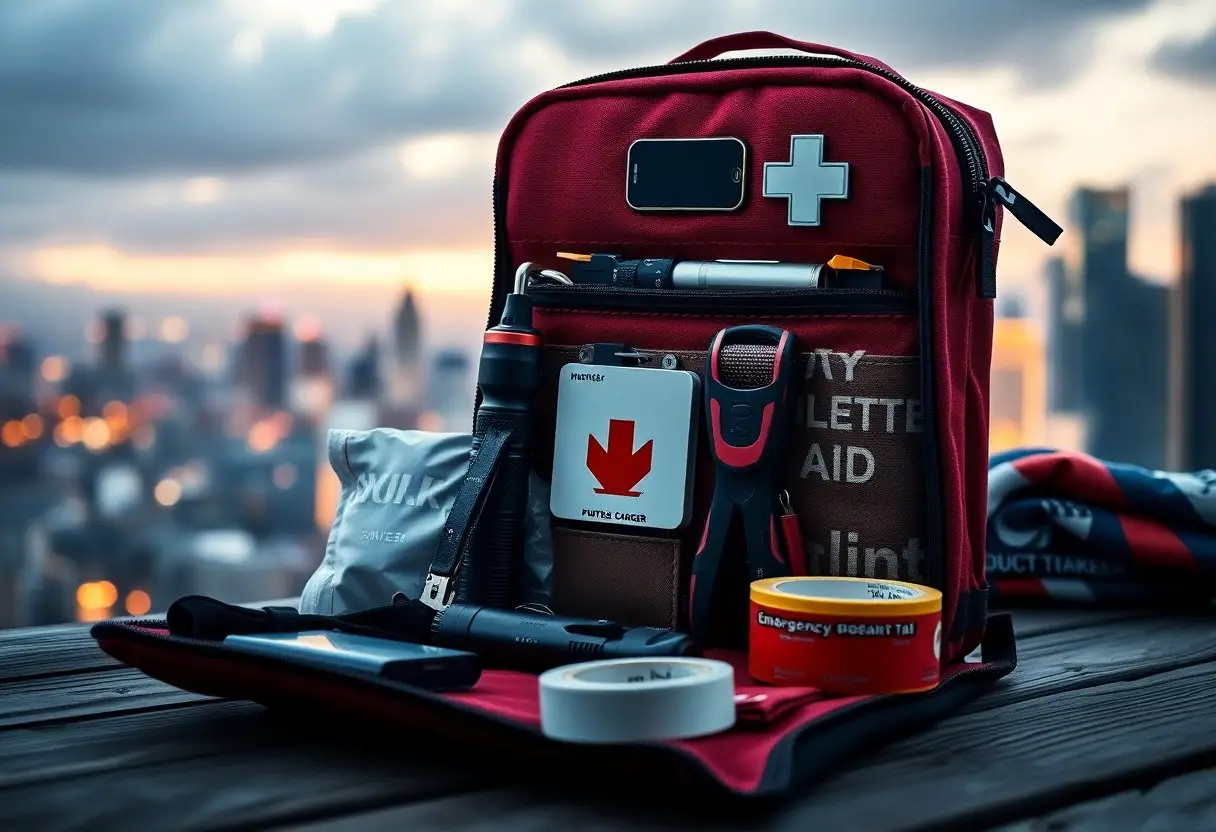
Your Go Bag should include vital personal safety items to help protect you in uncertain situations. Having a variety of safety tools can significantly enhance your sense of security and preparedness. Focus on items that are lightweight yet effective, ensuring they are accessible and easy to use. Incorporating these vitals into your kit can help you navigate emergencies more safely and efficiently.
Self-Defense Tools
Incorporate self-defense tools like pepper spray, a tactical flashlight, or a personal alarm into your Go Bag. These items are compact and can provide a layer of protection if you find yourself in a threatening situation. Select tools that match your comfort level and expertise, ensuring you feel equipped to fend off potential threats.
Emergency Communication Devices
Having reliable communication devices is vital during emergencies. Consider adding a two-way radio, a whistle, or a personal locator beacon to your kit. These tools can keep you connected to rescuers and help transmit your location when cell networks might fail.
Two-way radios are beneficial for group coordination, especially if you’re traveling with others. A whistle can carry much farther than your voice in open areas, making it easier for rescuers to find you. Meanwhile, personal locator beacons provide GPS location services and can signal distress to search and rescue teams, making them invaluable in remote areas. Prioritize functionality and battery life when selecting these devices to ensure they work when you need them most.
Shelter and Warmth
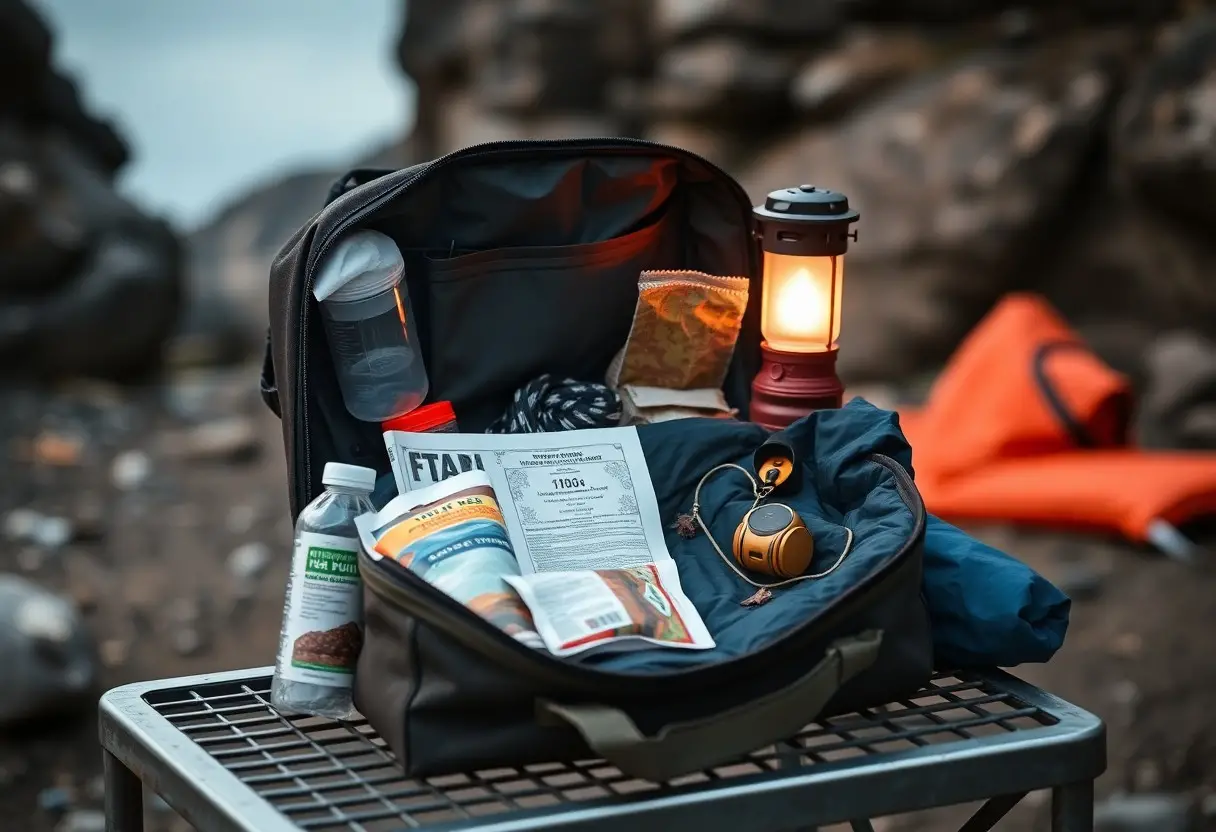
Your Go Bag should include provisions for shelter and warmth to protect against the elements in emergencies. Weather can change rapidly, and having the right gear ensures you remain safe and comfortable regardless of your environment. By prioritizing shelter items, you can maintain your body temperature and protect yourself from exposure, which is imperative for survival.
Tents and Emergency Blankets
Compact tents and emergency thermal blankets are indispensable items for your Go Bag. Lightweight and easy to pack, these shelters provide immediate protection against wind, rain, and cold temperatures. While tents offer more space and stability, emergency blankets are vital for retaining body heat and can easily be deployed in any situation where you need warmth quickly.
Weather-Appropriate Clothing
Choosing weather-appropriate clothing is imperative for staying warm and dry. Include layers made from moisture-wicking materials, insulated jackets, waterproof outer shells, and durable footwear. Each piece should be lightweight and packable to maintain functionality in your Go Bag. Tailoring your clothing choices to local climate conditions enhances your ability to endure harsh weather.
When dicking out weather-appropriate clothing, focus on materials that offer insulation and breathability. For example, merino wool is excellent for thermal insulation and moisture control, while synthetic fabrics like polyester provide durability and fast-drying properties. Depending on your region, consider packing additional items such as gloves, hats, and scarves, as extremities often lose heat first. Be sure to check the fit and size of everything, ensuring you can layer effectively without any restrictions during movement.
Tools and Equipment
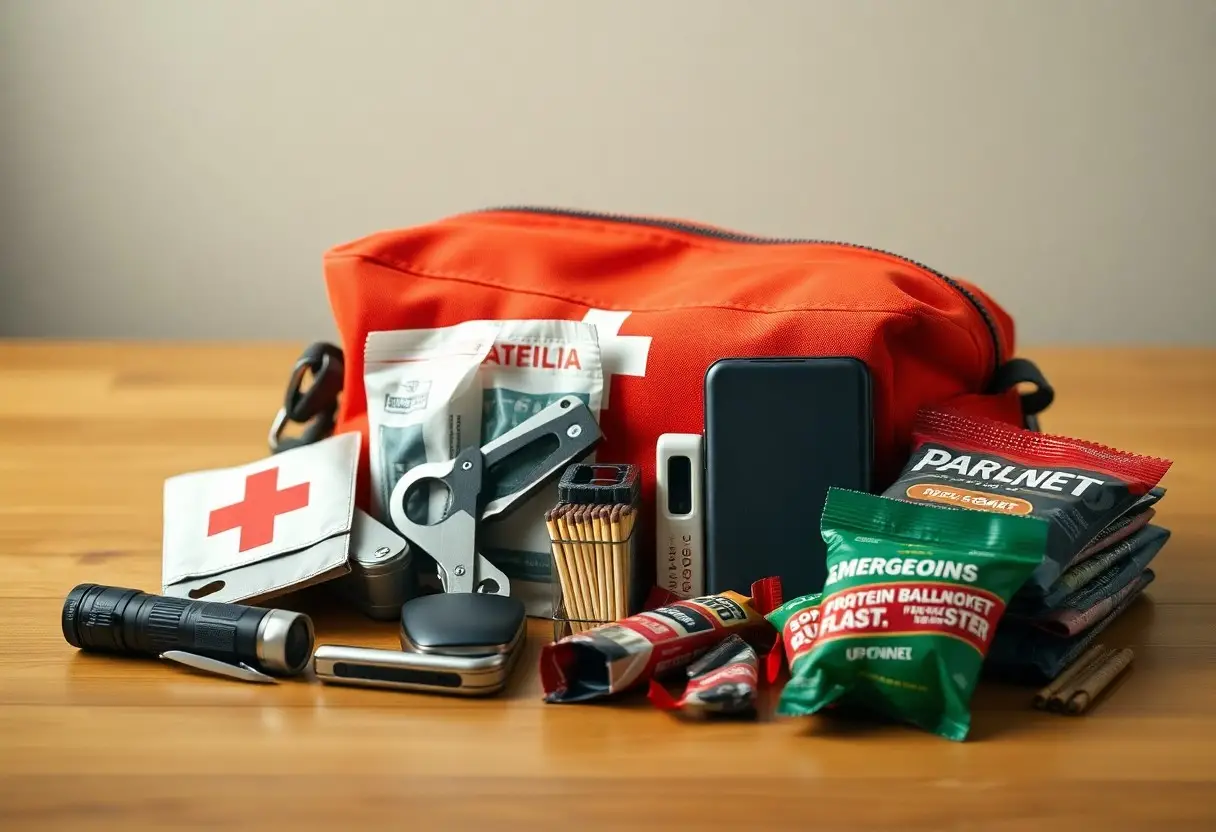
In emergencies, the right tools and equipment can be the difference between safety and peril. Your Go Bag should include necessary items that help you navigate challenging situations, perform repairs, or signal for help. Selecting high-quality, durable tools will not only assist you in various scenarios but also instill confidence as you face uncertainties.
Multi-Tools and Flashlights
Multi-tools are versatile companions in your Go Bag, combining multiple functions like cutting, screwing, and opening bottles into one compact device. Pairing them with a reliable flashlight ensures you can navigate dark areas and signal for assistance when needed. Opt for a flashlight with adjustable brightness settings and a long battery life to enhance its usefulness during prolonged emergencies.
Emergency Whistles and Ropes
Emergency whistles and ropes serve critical functions in survival situations. A whistle allows you to signal for help over long distances, effectively cutting through ambient noise to attract attention. Lightweight and compact, they are a must-have. Ropes, on the other hand, can assist in various tasks, from securing gear to creating makeshift shelters or rescue situations.
Consider a brightly colored emergency whistle that can be easily located, and look for a rope that is strong yet lightweight, ideally 50 feet long with a minimum tensile strength of 550 pounds. Using them together enhances your ability to communicate in emergencies and provides the means to handle unexpected challenges. Ropes are especially useful for first aid, towing, or building an emergency shelter when combined with other equipment in your Go Bag.
Important Documents
Having your important documents organized and easily accessible can significantly impact your recovery during and after an emergency. Be sure to include items such as insurance policies, medical records, and property deeds in your Go Bag. These documents not only verify your identity but can also expedite assistance and recovery efforts when you need them most.
Copies of Identification
Include copies of identification for yourself and your family members in your Go Bag. This should feature driver’s licenses, passports, and social security cards. Having these readily available can facilitate identification processes with emergency services and aid organizations, ensuring you receive the necessary support without unnecessary delays.
Emergency Contacts and Plans
Creating a list of emergency contacts and your family’s emergency plans is vital. This information should cover key contacts, such as family members, friends, neighbors, and local emergency services. In a stressful situation, having these details at hand can guide your actions and communications.
Your emergency contact list should also include a plan detailing where to meet in case of separation and important phone numbers. Designate a reliable friend or relative outside your immediate area as your primary point of contact, as phone lines may be congested locally. Clearly outline your escape routes, nearby shelters, and transport options within the plan, ensuring every family member understands their role and where to go. Regularly update this information and practice these plans to enhance safety and preparedness during an emergency.
Special Considerations
In preparing your go bag, consider the unique needs of everyone in your household, including children and pets. Tailoring your kit to account for these special considerations ensures that everyone remains safe and comfortable during emergencies.
Items for Children and Pets
Your go bag should include specific items for children and pets, such as comfort items for kids and required supplies for animals. For children, pack toys, snacks, and any necessary entertainment to keep them calm. Pets require food, water, leashes, and possibly medications to maintain their well-being.
Medication and Health Supplies
Always include vital medications and health supplies in your go bag. This should cover all household members, ensuring that necessary prescriptions, over-the-counter medications, and basic first-aid supplies are readily available. Aim for a three-day supply of critical prescriptions and any necessary medical devices.
For medications, consider making a checklist with each person’s needs, documenting the name, dosage, and any administration instructions. Incorporate basic health supplies like band-aids, antiseptic wipes, and a thermometer. Additionally, include personalized items like inhalers for asthma sufferers or insulin for diabetics. Regularly review and update your kit to replace expired items and adjust for any changes in medication needs or family members. This proactive approach guarantees you’ll be prepared when it matters most.
To wrap up
Upon reflecting, equipping your go bag with vital items is vital for your safety during emergencies. Ensure you include water, non-perishable food, first aid supplies, a flashlight, and a multi-tool. Additionally, personal documents, medications, and a portable phone charger will enhance your preparedness. Regularly check and update your kit to accommodate changing needs and to account for expired items. By assembling a well-thought-out emergency kit, you empower yourself to handle unexpected situations effectively.


