
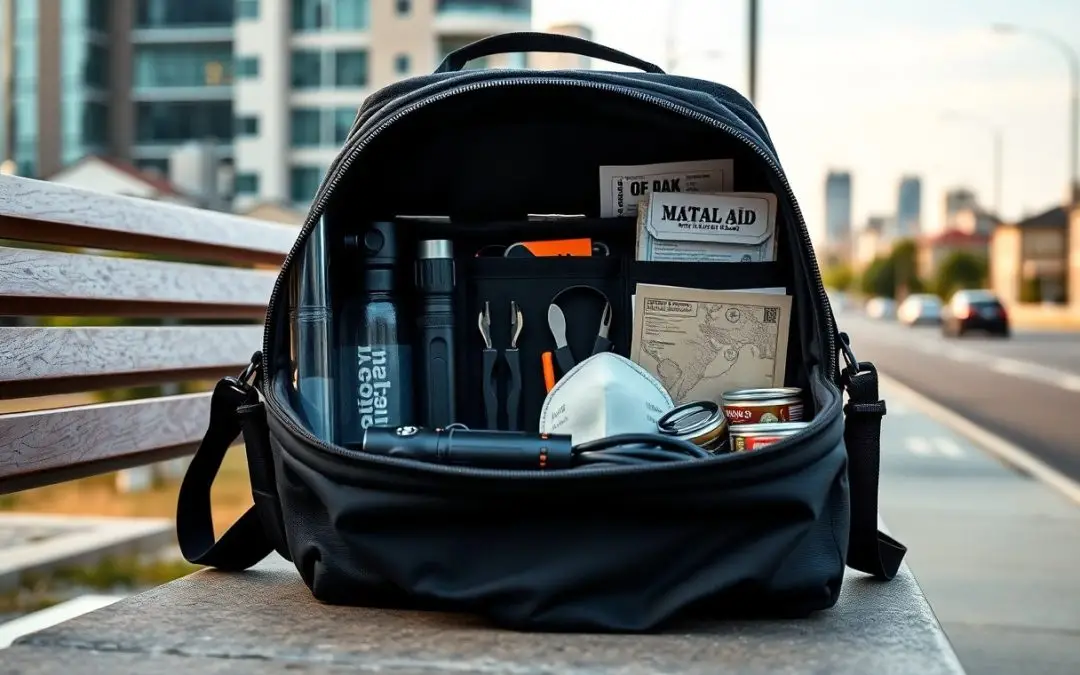
Packing a compact, prioritized go bag for urban and suburban emergencies puts you in control when infrastructure, transport, or services fail; include water, multi-tool, first aid, charged power and local maps, tailor contents to transit times, household size, and your mobility, and organize items for rapid access so you can shelter, evacuate, or assist neighbors without delay.
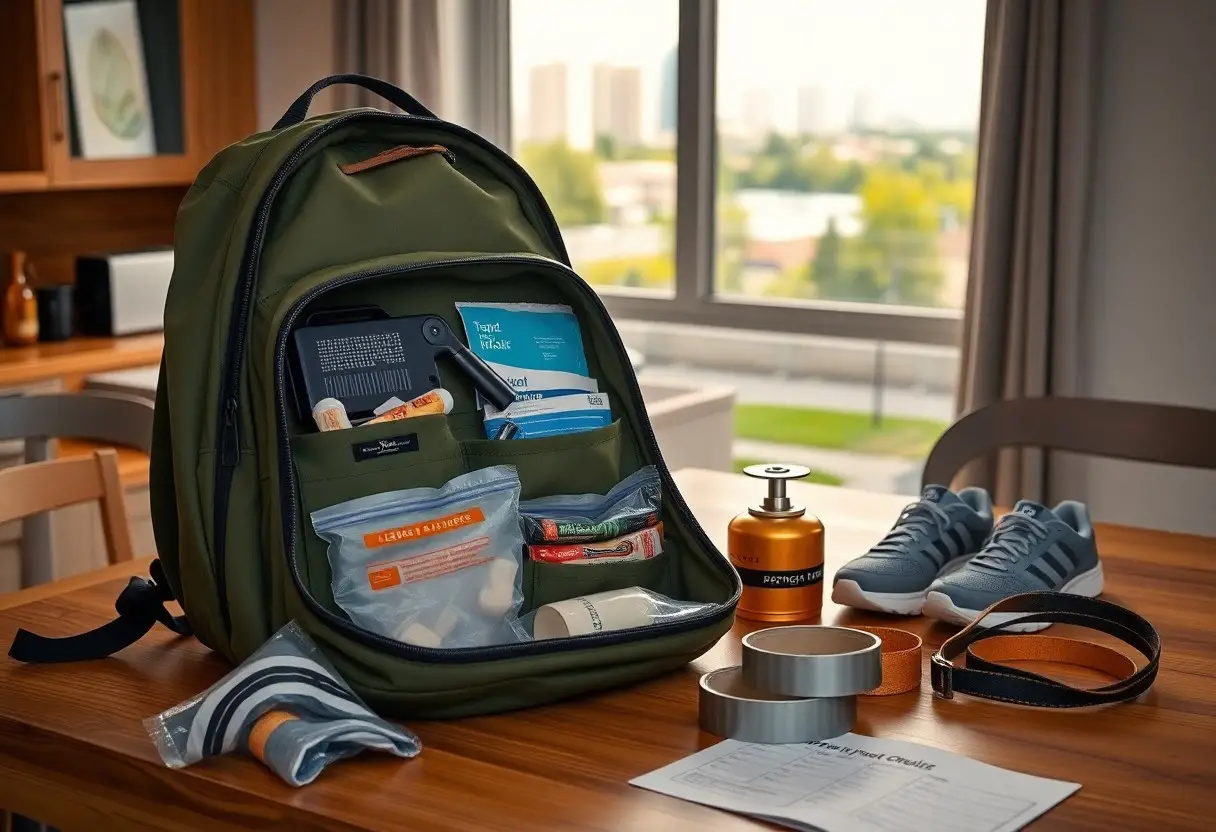
Understanding Urban and Suburban Emergencies
You must tailor your go bag to settings where infrastructure density and service dependency change needs: over 80% of the U.S. population lives in urban or suburban areas, so outages, transit failures, and localized hazards can affect large numbers quickly. Focus on mobility, communications, and short-term self-sufficiency while planning for congested egress, limited parking, and shelter options within a 1-5 mile radius of your home or workplace.
Types of Emergencies
Urban and suburban incidents typically center on utilities loss, severe weather, hazardous materials, mass-transit disruptions, and civil disturbances; each demands different gear and behavior. You should prepare for multi-day power outages, flash flooding that isolates streets, chemical spills that trigger shelter-in-place orders, and active-threat scenarios requiring rapid evacuation or concealment. The same go bag can be optimized to handle at least five common event profiles.
- Power outages: portable chargers, LED lamp, cash for cardless purchases.
- Flooding and severe storms: waterproof bag, quick-dry clothing, elevated footwear.
- Hazmat incidents: NIOSH-rated respirator, chemical-resistant gloves, sealed containers.
- Active violence or civil unrest: trauma kit, tourniquet, mapped escape routes.
- Recognizing neighborhood-specific triggers like subway shutdowns or industrial plants helps you prioritize items and routes.
| Power outage | Battery bank, solar charger, 72-hour food and water, cash |
| Severe storm / flooding | Waterproof bag, poncho, lightweight shovel, extra socks |
| Hazardous materials spill | N95/half-mask respirator, gloves, local alert app, evacuation map |
| Active shooter / civil unrest | Tourniquet, concealment items, whistle, preplanned safe locations |
| Wildfire / forced evacuation | Portable mask, important documents in waterproof sleeve, pet kit |
Importance of Preparedness
You should stock a minimum 72-hour kit because FEMA and emergency planners advise being self-reliant while responders prioritize the most affected areas; that typically means water (1 gallon per person per day), nonperishable food, basic medications, and backup power for communications. Plan for limited mobility and assume transit and retail will be disrupted for at least 48-72 hours after many urban incidents.
Practice fast grab-and-go drills so you can collect your bag in under five minutes and test gear quarterly-rotate food and batteries every 6-12 months. Use local incident examples: during the 2003 Northeast blackout, many residents lacked immediate lighting and communication; having a charged power bank and laminated contact list would have kept families coordinated. Also coordinate with neighbors for shared tools, child-care contingencies, and alternate meeting points if primary routes are blocked.
Essential Items for Your Go Bag
Stock your go bag to support at least 72 hours of self-sufficiency: one gallon of water per person per day (three gallons for three days), 72 hours of nonperishable food (energy bars, MREs), a 150-300 lumen headlamp with spare batteries, a compact water filter or 20 purification tablets, a 3-in-1 multi-tool, 50 ft of paracord, a lightweight tarp and emergency blanket, and a battery or crank NOAA radio for alerts.
Basic Survival Supplies
Prioritize water and calories: pack at least 3 liters per person per day if you must move, but keep a one-gallon-per-day reserve for sheltering in place; include three days of high-calorie, low-prep food (energy bars, freeze-dried meals), a 150-300 lumen headlamp with spare batteries, a compact stove and fuel canister if space allows, two N95 masks, and a small folding shovel plus 20-50 ft of paracord.
Medical and First Aid Kit
Build a kit for common and severe injuries: assorted adhesive bandages (20), sterile gauze pads (six 4×4), adhesive tape, elastic wrap, three pairs of sterile gloves, antiseptic wipes (10), antibiotic ointment, trauma shears, a commercial tourniquet (CAT or SOF-T) and hemostatic dressing, a CPR mask, digital thermometer, plus a seven-day supply of your prescriptions and OTC pain relievers (ibuprofen 200 mg x20), antihistamine, and anti-diarrheal tablets.
Tailor the kit to your environment and skills: if you live in dense urban areas include a compact chest seal and prioritize a commercial tourniquet for penetrating trauma and get certified in a “Stop the Bleed” class; in suburban or remote settings add burn dressings and discuss antibiotic options with your clinician. Rotate expired items every 12-24 months, store meds in a waterproof pouch, and keep a printed medical summary (allergies, meds, blood type) to speed care by first responders.
Food and Water Considerations
Pack for at least 72 hours but plan for a week if you can: aim 2,000-2,500 kcal per adult per day and stagger meals to preserve appetite and morale. Favor calorie-dense, ready-to-eat items that require no cooking; prioritize compact packaging, low weight, and long shelf lives so you can carry enough without overloading your bag.
Non-Perishable Food Options
You should include canned proteins (tuna, chicken), canned beans, peanut butter, high-calorie energy bars, and freeze-dried meals. Canned goods typically last 2-5 years, MREs 3-5 years, while sealed freeze-dried pouches can exceed 25 years. Vacuum-sealed mylar bags with oxygen absorbers extend shelf life-rotate everyday snacks every 6-12 months to keep taste and nutrition fresh.
Water Purification and Storage
You should store at least 1 gallon per person per day for drinking and hygiene, planning a minimum 3-day supply (FEMA recommendation). Use food-grade jugs or 3-5 gallon collapsible bladders and rotate every 6-12 months. For purification, carry chemical tablets (chlorine dioxide), a 0.1 µm Sawyer-style filter, and a UV pen (SteriPEN treats 1 L in ~60-90 seconds); boil water for 1 minute (3 minutes above 6,562 feet).
Always pack redundant systems: a filter plus tablets as backup, and carry spare filter cartridges or a backflush syringe for maintenance. Pre-filter turbid water through a bandana to extend cartridge life, and store spare fuel or a small stove to boil if needed. After Hurricane Maria (2017) households using both portable filters and tablets regained safe water faster than those relying solely on bottled supplies, so diversify your approach.
Clothing and Personal Items
Pack at least one full change of clothes per 24 hours you plan for: moisture-wicking base layer, insulating mid-layer, and a weatherproof outer shell. Favor merino wool or synthetic fabrics over cotton since wool retains warmth when wet and synthetics dry quickly. Also include three pairs of socks, two pairs of underwear, a warm hat, a pair of sturdy walking shoes rated for urban debris, and a small repair kit.
Weather-Appropriate Gear
Carry a lightweight waterproof shell or 75-100 g rain poncho and an insulated jacket if temperatures can drop below 40°F (4°C); down works well for dry cold while synthetic insulation performs better if wet. Pack thin merino base layers, a fleece mid-layer, and waterproof gloves plus a beanie. A compact emergency blanket (Mylar) and chemical hand warmers extend comfort and can lower hypothermia risk during extended waits.
Important Documents and Cash
Keep originals or notarized copies of ID, passports, driver’s license, insurance cards, vehicle title, and prescriptions in a waterproof pouch, plus photocopies stored separately. Store encrypted digital PDFs on an offline USB and in the cloud with two-factor authentication. Carry $100-200 in small bills split between your bag and on-person, and include a laminated emergency contact card with names, phone numbers, and meeting point coordinates.
Use a clear, resealable waterproof bag for quick customs checks and a secondary sealed envelope for originals you can swap into a safe deposit box; store encrypted backups using AES-256 or a reputable password manager. Add a one-page meds list with drug names, dosages, and prescribing doctor, plus copies of pet records if applicable. Test access to digital copies quarterly and refresh cash amounts seasonally-aim to replace any bills damaged by wear.
Tools and Equipment
Prioritize gear that extends mobility and autonomy: a 300-1,000 lumen handheld flashlight plus a 200-300 lumen headlamp with spare AA/CR123A cells, a 20,000 mAh power bank (roughly four full charges for a 3,000 mAh phone), 10 m of duct tape, 50 ft (15 m) of 550 paracord, a compact folding shovel and pry bar, and weatherproof zip ties and glow sticks for marking routes or hazards.
Multi-tools and Outdoor Gear
Your multi-tool should include pliers, wire cutters, a serrated blade, bit driver and can opener – aim for 10-18 functions. Models like the Leatherman Wave Plus or Victorinox SwissTool balance durability and weight (≈200-250 g). Add a fixed-blade knife (3-4 in / 8-10 cm), a compact folding saw, and a lightweight tarp or emergency bivvy under 400 g to shelter you quickly.
Communication Devices
Layer communications: your smartphone with offline maps, a backup feature phone with replaceable AA/AAA batteries, a hand-crank or battery NOAA weather radio, and a 10,000-20,000 mAh power bank. For neighborhood coordination, license-free FRS radios or a GMRS set (if you hold a license) let you reach nearby people when cellular networks are down.
FRS radios are license-free and low-power (≤2 W), so you can expect about 0.5-2 miles in dense urban areas and 3-6 miles suburban; GMRS handhelds (1-5 W) extend that range but require an FCC license to transmit. Cheap ham radios like the Baofeng UV‑5R operate VHF/UHF but you must hold amateur licensing to transmit legally. Consider goTenna Mesh for off-grid texting (1-4 miles LOS) and a satellite messenger like Garmin inReach for two‑way text and SOS via Iridium; test devices and practice messaging before you need them.
Maintenance and Updates
Set a schedule to inspect your kit quarterly and after any major disruption: check expiration dates, battery charge levels, and water volume. You should replace medications at least six months before expiry, rotate freeze-dried meals annually, and swap out bottled water every 6-12 months depending on storage. Log checks on your phone and keep a paper inventory inside the bag so you can complete a full audit in 10-15 minutes.
Regularly Checking Your Go Bag
Inspect your bag every three months or after travel; verify batteries (alkaline and rechargeable) hold charge, confirm canned/packaged foods are within date, and test electronics for 5-10 minutes each. You should also refresh cash (small bills), update contact cards, and replace one set of clothing per season. Use calendar reminders and a simple checkbox list to keep checks consistent and under 20 minutes.
Adapting to Personal Needs
Tailor contents for medical, family, or mobility needs: if you use insulin, pack a 7-day supply plus a fridge pack and glucometer; caregivers should include three days of infant formula and 6 diapers per day. You must also carry a current medication list, spare prescriptions, and any assistive-device batteries – for example, a 20,000 mAh power bank for mobility device chargers.
Apply real-world tests: practice a 72-hour grab-and-go drill to find gaps – one suburban family discovered their toddler’s size-3 shoes were missing and added an extra set; a commuter added a compact bike repair kit after a 12-mile detour. You should update items after lifestyle changes (new meds, babies, jobs) and log those changes with dates and quantities for quick replacement planning.
To wrap up
Hence your go bag should be compact, versatile and designed for urban and suburban emergencies, prioritizing reliable communication, basic medical supplies, water, layered clothing, multi-tools, portable power, copies of documents, and local maps; routinely check and adapt items for season and personal needs so you can respond quickly and confidently.


