
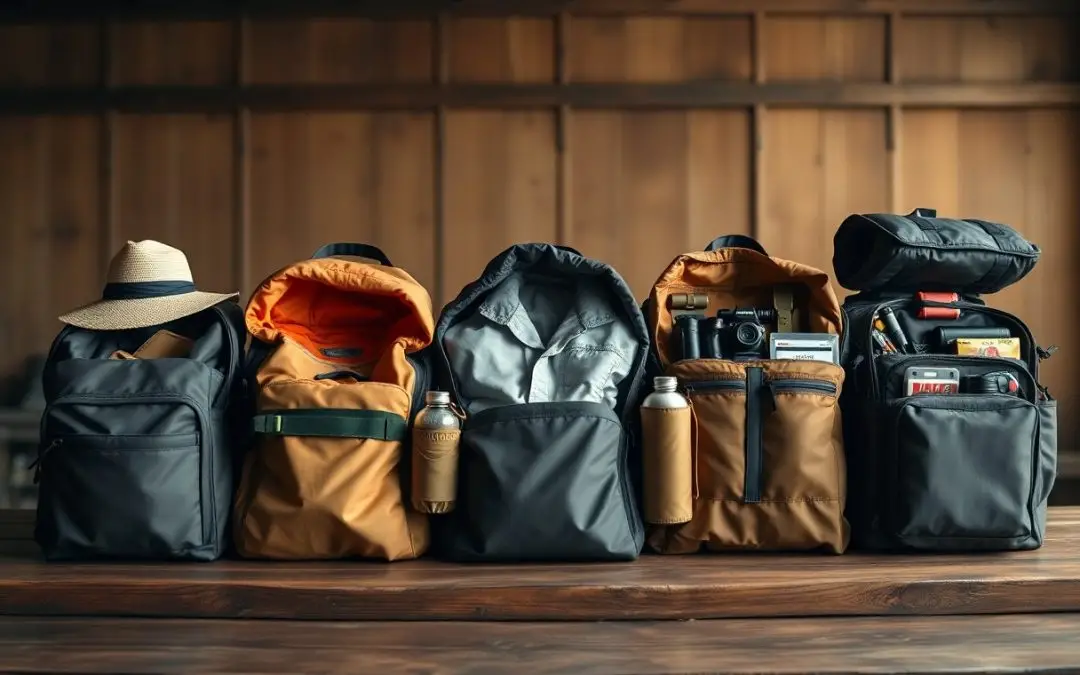
Travel means you must customize your go bag for each climate and location: pack layered clothing, weatherproof shelter, climate-appropriate first aid, water treatment, and location-specific tools to keep you safe and self-reliant.
Key Takeaways:
- Assess local climate, typical weather extremes, and specific hazards (heat, cold, flooding, wildfire) to guide clothing, shelter, and supply choices.
- Choose modular clothing and layered insulation: moisture-wicking base, insulating mid layers, and a protective shell for wind and rain.
- Tailor shelter, sleeping system, and hydration solutions: ventilated and UV-resistant gear for hot/humid areas; insulated, waterproof options for cold/wet regions.
- Select tools and medical supplies for the setting: water purification and snakebite kit for backcountry, dust masks and backup power for urban environments, sun protection and insect repellent for sunny/mosquito-prone zones.
- Test pack weight, accessibility, and redundancy by packing and practicing routes; prioritize multi-use items and quick-access pockets for critical gear.
How to Adapt Your Kit for Arctic and Sub-Zero Climates
Adapt your kit for Arctic conditions by focusing on layered insulation, windproof outer shells, redundant warm items, a compact shelter system, and tools you can access while gloved.
Store electronics and fuel in insulated pouches to prevent freezing, separate wet and dry items to reduce condensation, and organize crucials for quick, glove-friendly retrieval.
Prioritizing thermal insulation and moisture-wicking materials
Layer a moisture-wicking base (merino or synthetic), a lofty insulating mid layer (down or synthetic), and a windproof, breathable shell while avoiding cotton that traps moisture and chills you.
Selecting high-calorie nutrition and cold-resistant fuel sources
Choose calorie-dense, nonperishable foods like nuts, nut butters, hard cheeses, dense bars, and cured meats to keep your energy up when temperatures suppress appetite.
Include high-calorie drink mixes, solid fats like ghee, and energy gels that resist freezing, and carry stoves and fuel systems rated for sub-zero use, such as liquid-fuel or invertible-canister setups.
Keep spare fuel, an alternate ignition method, and a simple melt-and-boil plan so you can produce hot meals and potable water while wearing mitts.
Optimizing Supplies for Arid and High-Heat Environments
Pack breathable clothing, wide-brimmed hats, and lightweight shelter to reduce heat absorption; you should favor materials that wick sweat and dry fast to prevent heat rash and chafing.
Manage meal and fuel choices toward high-calorie, low-moisture items and compact stove systems so you can carry energy without spoilage; you should also stagger activities to avoid midday exertion.
Implementing advanced hydration and electrolyte replacement strategies
Optimize water planning by stocking insulated bladders, multiple rigid bottles, and a compact filter so you can secure potable sources; you should map refill points and note transit times between them.
Use concentrated electrolyte sachets and measured oral rehydration mixes to maintain balance without excess weight; you can preload single-serving packets for fast dosing on the move.
- Estimate daily needs by climate and exertion, then add a safety margin.
- Carry layered storage: one bladder for access, one bottle for reserve.
- Treat uncertain water with filtration first, then electrolytes as needed.
Hydration Supplies
| Item | Purpose |
|---|---|
| Insulated bladder | Keep water cool and accessible |
| Electrolyte sachets | Replace salts without heavy sugar |
| Compact filter | Render distant sources safe |
Protecting equipment from UV damage and fine particulate infiltration
Shield gear with UV-rated covers, reflective storage sacks, and sun sleeves so you can limit polymer breakdown and fading; you should rotate sensitive items out of direct sun during stops.
Filter dust with sealed cases, foam gaskets, and zipper storm flaps while using silica gel packs to control moisture; you can clean abrasive particles from moving parts after exposure to preserve function.
Managing Humidity and Moisture in Tropical Locations
High humidity in tropical zones accelerates mildew and corrodes metal; you can combat this by packing silica gel, clay desiccants, and a small foldable drying rack to air items when safe. Check gear after storms and rotate desiccants to maintain effectiveness.
Store wet or damp items in a separate waterproof bag to isolate moisture from dry supplies, and open your pack in sunlight whenever possible to reduce trapped condensation and stop mold from spreading.
Utilizing waterproof storage and mold-prevention techniques
Use roll-top dry bags and waterproof pouches for clothing, electronics, and documents so you can seal out rain and splashes while keeping items organized. Include zip-lock bags for smaller items and label them for quick access.
Pack reusable desiccant packs and a small hygrometer to monitor internal humidity; replace or recharge desiccants regularly and air-out gear at the first safe opportunity to prevent lingering dampness and odor.
Stocking medical crucials for insect-borne threats and skin infections
Include topical antiseptics, antibiotic ointment, sterile dressings, antihistamines for allergic reactions, and hydrocortisone cream to manage itching and inflammation from bites; carry insect repellent and permethrin-treated clothing for prevention.
Treat suspected infected bites by cleaning thoroughly, applying antiseptic and a sterile dressing, and monitor for spreading redness or fever so you can seek professional care promptly if symptoms worsen.
Carry a compact tick removal tool, a thermometer, and any region-specific prescribed medications (such as prophylactics) in a waterproof medical pouch, and check expiration dates routinely to ensure readiness.
How to Tailor Loadouts for Urban vs. Wilderness Settings
Urban loadouts prioritize concealment and mobility. You should strip bulk, choose low-profile hydration and a compact first-aid kit, carry a multi-tool and small-denomination cash, and organize items for quick access on transit or between buildings. Keep clothing neutral and remove or cover tactical branding that draws attention.
Wilderness kits emphasize shelter, warmth, and sustained resupply. You should include a lightweight shelter, reliable stove, water-treatment options, durable clothing matched to the climate, and redundancy for fire and medical systems. Distribute weight so heavy items sit close to your back and keep importants reachable for long carries.
Integrating gray-man principles for metropolitan navigation
Blend with local civilian dress and gear to move without attracting scrutiny. You should choose muted colors, avoid visible tactical hardware, and use bags that mimic common commuter styles; stash specialized items in inner pockets or concealed pouches so you can access them discreetly while maintaining a low profile.
Selecting specialized signaling and foraging tools for remote areas
Select signaling tools that perform across conditions: a signal mirror, whistle, high-lumen headlamp with strobe, and a PLB or satellite messenger for long-range alerts. For foraging, you should carry a reliable folding knife, a small saw, and laminated local plant ID cards to reduce misidentification risk.
Pack food-processing and storage items that are lightweight: a small pot for boiling, collapsible containers, cordage, and drying sacks so you can preserve finds safely. You should also include water purification and a compact cutting tool suited to both camp chores and harvesting.
Practice identification, preparation, and basic tests before you rely on wild foods: you should learn simple edible versus toxic traits, perform small taste tests in controlled steps, and rehearse signaling drills so your tools and techniques work under stress.
Essential Tips for Seasonal Maintenance and Gear Rotation
Keep a seasonal checklist and simple tagging system so you track expirations, battery ages, and fabric treatments; you will reduce surprises when packing for a specific climate. Use compact labels and a dated log to rotate items into everyday use before they expire.
- Replace batteries every 12-24 months and test chargeable cells before trips
- Swap seasonal clothing and inspect seams, zippers, and waterproofing
- Repackage food and check expiration dates quarterly
- Clean and dry gear before storage to prevent mildew and corrosion
Check storage conditions periodically and inspect seals, straps, and closures for wear. Knowing how seasonal changes affect materials will help you prioritize rotations and repairs.
Conducting quarterly audits of perishable and battery-operated items
Audit perishable goods and batteries every three months: you should record expiry dates, test batteries under load, and discard compromised items. You can align replacements with upcoming seasons to avoid last-minute purchases.
Testing specialized climate gear in controlled environments
Test insulated layers, shelters, and cooling systems in a backyard or garage setup so you confirm fit, setup time, and performance; you can simulate conditions with heat lamps, coolers, or overnight trials to verify comfort and durability.
Practice assembling shelters and operating stoves in safe, controlled settings to learn fuel use, setup challenges, and weak components so you adjust choices before field deployment.
Conclusion
As a reminder you should customize your go bag to the climate and location you expect, prioritizing insulation or breathable layers, waterproofing, sun protection, and insect defense as needed. You must also adjust water, food, and first-aid supplies for duration and resupply options.
You should assemble modular kits for quick swaps between environments, test the pack under load, and secure documents and electronics against moisture and impact.
FAQ
Q: How should I customize my go bag for hot, humid climates?
A: Pack a high-capacity water system and water-purification tablets or a filter; prioritize hydration over other items. Choose light, breathable, moisture-wicking clothing and a wide-brim hat to reduce heat exposure. Include compact electrolyte packets, a cooling towel, and a small pump or collapsible water container for refills. Store electronics and documents in waterproof, breathable pouches and add silica packets to reduce internal moisture. Select a lightweight, well-ventilated shelter or tarp and sleeping quilt rated for warmer temperatures instead of a heavy sleeping bag.
Q: What modifications are needed for cold, snowy climates?
A: Upgrade insulation with a layered clothing system: moisture-wicking base, insulating mid layers, and a waterproof breathable shell. Choose a sleeping bag with a temperature rating below expected lows and add an insulated sleeping pad to prevent heat loss to the ground. Carry a reliable stove and fuel that perform in cold, metal insulated water bottles to prevent freezing, and hand/foot warmers. Pack snow-specific items such as a small shovel, gaiters, crampons or snow traction, goggles, and a balaclava. Store spare batteries for electronics in an inner pocket to keep them warm and functional.
Q: How do I tailor my go bag for mountainous or alpine locations?
A: Prioritize lightweight, high-calorie food and extra layers to handle rapid weather shifts and temperature drops. Carry altitude-ready medical items such as acetazolamide if prescribed, and learn signs of altitude sickness. Add route-finding tools like a topographic map, compass, altimeter or GPS unit with extra batteries. Pack technical gear appropriate to the terrain: crampons, ice axe, trekking poles, and a compact emergency bivy. Include strong sun protection-high SPF sunscreen, lip balm, and glacier glasses for increased UV exposure.
Q: What should a go bag contain for coastal, flood-prone, or wet environments?
A: Use a waterproof backpack or dry sacks to keep gear dry and organize items by priority in sealed pouches. Include a compact personal flotation device or inflatable life vest when evacuation by water is possible. Choose quick-dry clothing, a waterproof shell, and non-slip waterproof footwear. Add water purification tools and extra potable-water storage, plus signaling devices like waterproof whistle and strobe light. Protect electronics with waterproof cases and include corrosion-resistant tools and spare keys stored in a sealed container.
Q: How do I adapt a go bag for urban evacuations and different neighborhoods?
A: Prioritize documents, copies of IDs, cash in small bills, and a compact first-aid kit tailored to personal medications. Include a multi-function tool, flashlight with extra batteries, a power bank and charging cables, and an N95 or P100 mask for dust or smoke. Add compact shelter items like a mylar blanket, rain poncho, and comfortable walking shoes. Store local maps, transit cards, contact information, and small denominations of local currency in a waterproof wallet. Pack low-profile signaling items such as a whistle and a small brightly colored bandana for visibility in crowds or low-light situations.


