
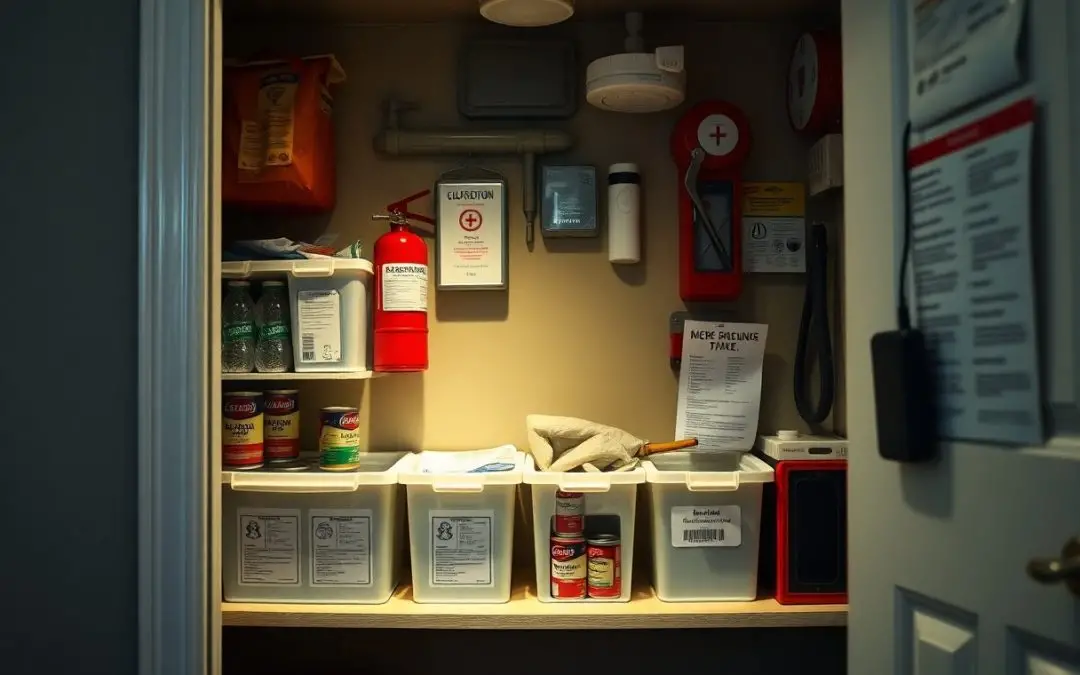
Just becoming a homeowner means you’re now responsible for handling emergencies on your own. You need clear plans for power outages, fires, storms, and medical crises. This guide gives you practical steps to prepare your home, protect your family, and respond confidently when unexpected situations arise.
The Gear You Carry
Every homeowner should have a go-to kit ready when disaster strikes. You’ll want importants within reach that support safety, communication, and basic repairs. This gear isn’t just for emergencies-it’s peace of mind when the unexpected happens at home.
The Kit for Wounds
You’ll likely face minor injuries before help arrives. Stock a compact first aid kit with bandages, antiseptic wipes, gauze, medical tape, and gloves. Keep it in an easy-to-access spot and check supplies twice a year to replace expired items.
Tools for the Night
Power outages often happen after storms or system failures. A reliable flashlight, extra batteries, and a headlamp ensure you can move safely in the dark. Avoid candles-they pose a fire risk when you’re focused on other hazards.
Having dependable lighting means more than just seeing your surroundings. A headlamp leaves your hands free to manage tasks like shutting off utilities or guiding family members to safety. Choose models with long battery life and a strobe function to signal for help if needed. Chargeable options with USB ports offer convenience during extended outages.
Meat and Water
Every home should have a reliable supply of food and clean water during emergencies. You’ll need at least one gallon per person per day for drinking and sanitation. Store these necessarys in advance so you’re never caught off guard when disruptions occur.
The Clean Supply
Water quality matters as much as quantity. Use food-grade containers to store tap water, replacing it every six months. If your area is prone to contamination, keep unscented bleach or purification tablets on hand to treat water if needed.
Tins of Food
Tins of food offer long shelf life and require no refrigeration. You’ll find canned beans, vegetables, and meats provide necessary nutrients during outages. Always rotate stock to avoid expired items and check seals before use.
Canned goods are a practical choice because they withstand temperature changes and resist spoilage. You can build balanced meals using pantry staples like tinned tuna, soups, and fruit. Invest in a manual can opener and store it with your supplies-electric models won’t work without power. Choose low-sodium options when possible to support better health during prolonged use.
Controlling the House
Knowing how to manage your home’s core systems gives you confidence during unexpected situations. You don’t need to be an expert, but understanding where key controls are located and how they work can prevent small issues from becoming major problems. Take a few minutes to locate and label them for quick access.
The Water Valve
You should know where your main water shutoff valve is and how to turn it off quickly. It’s usually near the water meter or where the line enters your home. Turning it off during a leak stops flooding and reduces water damage while you wait for help.
The Gas Handle
Your gas shutoff handle is typically located near the gas meter outside your home. It runs parallel to the pipe when the gas is on and perpendicular when off. If you smell gas or suspect a leak, turning it off immediately enhances safety.
Only utility professionals should turn the gas back on after it’s been shut off. Attempting to do it yourself risks dangerous leaks or explosions. Make sure everyone in your household knows not to touch the handle once it’s closed and to evacuate and call the gas company right away.
The Fight Against Fire
Every home faces fire risks, and your awareness is the first line of defense. Smoke rises fast, so install detectors high on walls or ceilings, test them monthly, and replace batteries twice a year. Keep flammable items away from stoves and heaters, and never leave candles unattended. A small spark can become a crisis in seconds-your habits shape your safety.
The Red Canisters
Fire extinguishers are your first tool when flames appear. Place one in the kitchen, garage, and near exits, ensuring they’re rated for common household fires (ABC type). Check the pressure gauge regularly and replace units older than ten years. Knowing how to use it-PASS (Pull, Aim, Squeeze, Sweep)-can make all the difference.
The Way Out
Escape routes matter more than you think. Plan two ways out of every room, especially bedrooms, and make sure windows open easily. Practice your plan with everyone in the home at least twice a year, day and night. Seconds count-your family should know exactly where to go and how to meet safely outside.
Clear pathways matter when visibility drops during a fire. Smoke can fill a hallway in under a minute, so keep exits unblocked by furniture or clutter. Teach children to crawl low under smoke and never hide during a fire. Designate a meeting spot at least 50 feet from the house so everyone can be accounted for quickly. Test doors for heat with the back of your hand before opening-this simple step can prevent flames from surging toward you. Your escape plan isn’t just a sketch on paper; it’s a practiced routine that could save lives.
The World Outside
When disaster strikes, your home may be safe, but conditions beyond your door could be unpredictable. Power outages, downed trees, or blocked roads might isolate you for days. Staying informed about the situation around you helps you make smart decisions and avoid unnecessary risks during an emergency.
The Radio Box
A battery-powered or hand-crank radio gives you access to real-time updates when the internet and cell service fail. Keep one in your emergency kit, along with extra batteries, so you can monitor weather alerts, evacuation orders, and recovery efforts from trusted broadcast sources.
The Written Word
Paper copies of important documents protect you when digital systems go dark. Store originals or duplicates of deeds, insurance policies, IDs, and medical records in a waterproof, fireproof container where you can find them fast if you need to evacuate.
Think beyond just ownership papers-include contact lists, medical histories, and utility account numbers in your written records. These details become lifelines when you’re displaced or dealing with insurers after a loss. Organize everything in labeled folders so you can act quickly, even under stress.
The Important Papers
Keeping your important documents organized can save critical time during an emergency. You’ll need quick access to records like your deed, mortgage agreement, and insurance policies if disaster strikes. Store these in a fireproof, waterproof container or a secure digital vault so you can act fast when every second counts.
The Policy
Your homeowner’s insurance policy outlines exactly what protections you have in place. Review it carefully to understand coverage limits, deductibles, and excluded perils. Knowing these details now prevents confusion later when filing a claim after damage occurs.
The Proof
Proof of ownership helps speed up claims and replacements after a loss. Photograph or video all rooms and major possessions, then store the files securely offsite or in the cloud. This visual record supports your claim with clear, timestamped evidence.
Think beyond furniture and electronics-document serial numbers, receipts, and purchase dates for high-value items like appliances, jewelry, or artwork. If your home experiences fire, flood, or theft, this detailed proof reduces disputes and accelerates reimbursement. Update your inventory annually or after big purchases to keep it accurate.

Summing up
The responsibility of emergency preparedness starts with you. As a first-time homeowner, you must assess risks, assemble supplies, and establish communication plans. Taking action now ensures your home and family stay protected when unexpected situations arise. Your preparedness today builds safety and confidence for tomorrow.


