
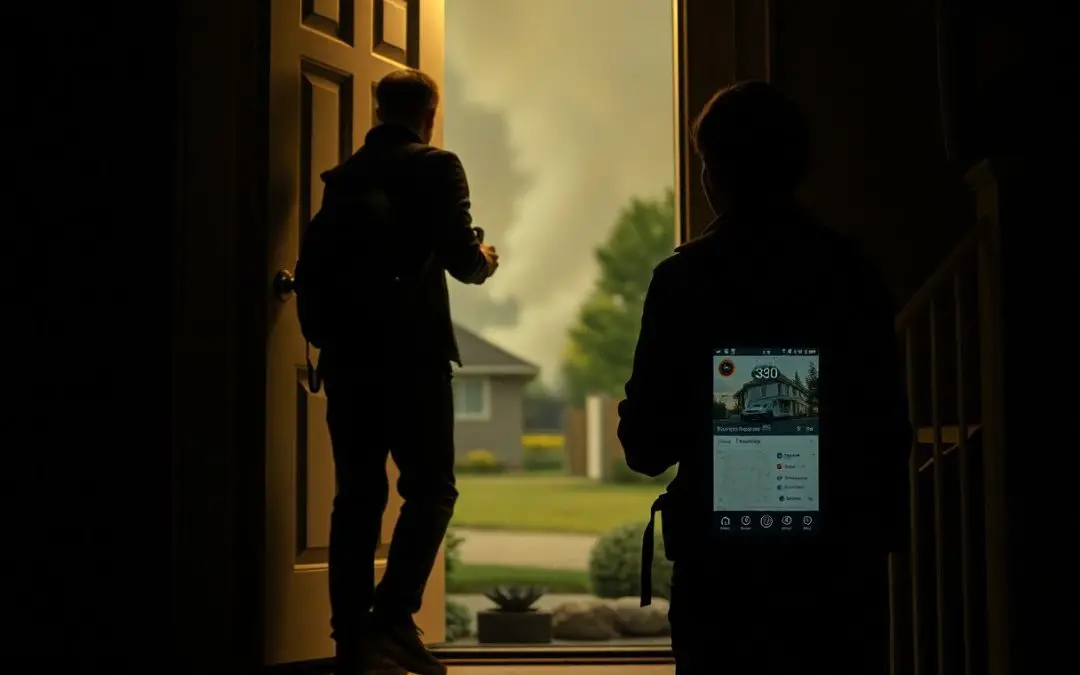
It’s crucial to stay calm and act quickly once you’re outside your home during an emergency. Move to a safe location away from hazards, account for everyone in your household, and call emergency services if you haven’t already. Do not re-enter the building under any circumstances until authorities confirm it’s safe.
The Survey of the Broken Ground
Take a moment to assess visible damage once you’re at a safe distance from your home. Look for structural shifts, fallen power lines, or gas leaks that could pose immediate risks. Do not re-enter the building until authorities confirm it’s safe. Your observations help emergency responders prioritize hazards and guide recovery efforts effectively.
The Flight to the Open Street
You step outside and move quickly but calmly away from the building. Keep your hands visible and avoid sudden movements if emergency vehicles are nearby. Head to the designated meeting spot you planned with your household, staying clear of downed power lines or debris. Your safety depends on staying alert and focused during these first critical moments.
The Accounting of the Souls
Confirm Everyone Is Accounted For
Stop a safe distance from the danger and immediately check who is with you. Call out each person’s name loudly and clearly. If someone is missing, tell emergency responders right away-do not go back inside. Your priority is ensuring every member of your household is present and safe.
The Inspection of the Flesh
Your body may show signs of exposure or injury you haven’t yet noticed. Check your skin for cuts, burns, or irritation, especially if you were near smoke, chemicals, or debris. Pay attention to how you feel-dizziness, coughing, or tightness could signal hidden harm. If anything feels off, seek medical evaluation without delay.
The March to the Rally
Stay calm and move quickly but deliberately toward the designated meeting point. Keep your group together and follow the safest route outlined in your emergency plan. Watch for hazards like downed power lines or blocked streets. Listen to emergency broadcasts on a battery-powered radio or your phone for real-time updates. Your safety depends on staying alert and focused during this critical phase.
Conclusion
Drawing together your immediate actions after leaving home in an emergency ensures safety and clarity. You secure your household, follow your evacuation plan, and stay informed through reliable sources. You account for all family members and pets, head to your predetermined meeting point, and contact emergency services if needed. Your calm response makes all the difference.


