
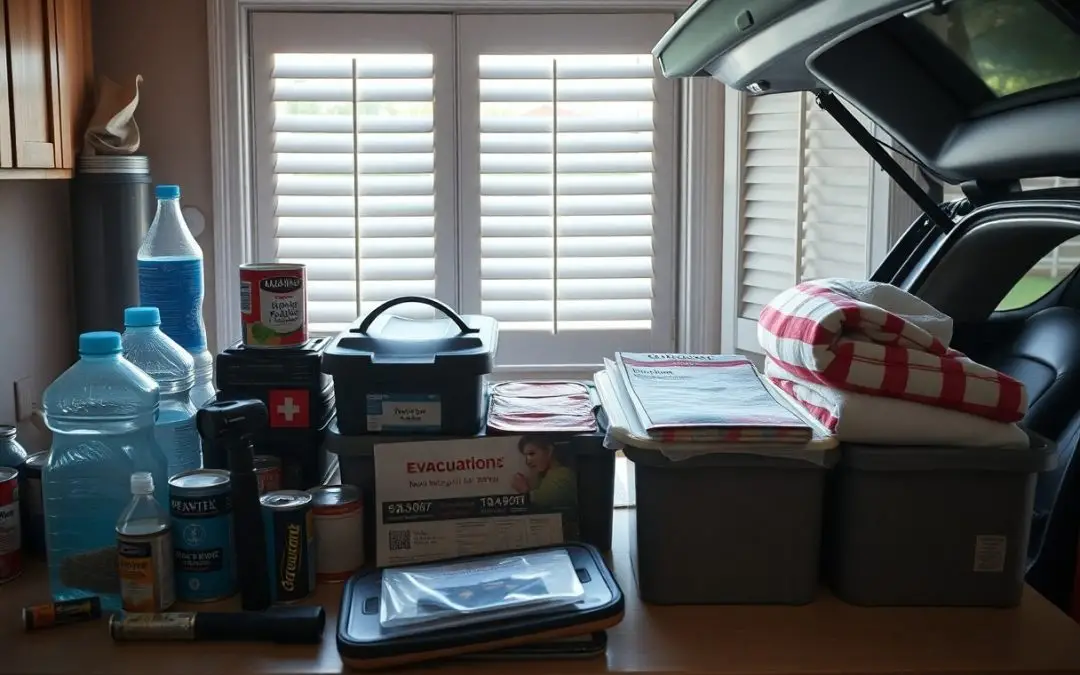
This guide shows you how to protect yourself and your loved ones when disaster strikes. You’ll learn practical steps to stay calm, make quick decisions, and act safely during earthquakes, storms, floods, and other emergencies using clear, proven strategies.
Assessing Regional Environmental Risk Factors
Every region faces unique environmental threats based on its geography and climate.
- Coastal areas often contend with hurricanes and storm surges
- Midwest zones may experience tornadoes and flooding
- Western regions face wildfires and earthquakes
After identifying your area’s common hazards, you can tailor your preparedness plan effectively.
Identifying localized geological and weather threats
Local topography influences the types of disasters you’re likely to encounter. Living near fault lines increases earthquake exposure, while valleys can trap floodwaters during heavy rains. Proximity to forests raises wildfire risks in dry seasons. Knowing these patterns helps you anticipate danger before warnings are issued.
Evaluating property-specific vulnerabilities
Your home’s age, construction type, and layout affect how it withstands disasters. Older homes may lack modern reinforcements against high winds or seismic shifts. Poor drainage around the foundation can lead to flooding. After inspecting structural weaknesses, you gain clarity on where to focus upgrades.
Structural integrity plays a major role in how your property handles stress during extreme events. Homes with unreinforced masonry or weak roof connections are more prone to damage in earthquakes or storms. Windows facing prevailing winds may need storm shutters. Addressing these issues early improves safety without requiring full renovations.
How to Build a Comprehensive Emergency Kit
Every household should have an emergency kit ready before disaster strikes. This single collection of supplies can sustain you and your family when services are down and access to stores is cut off. Plan with your specific risks in mind-floods, earthquakes, or hurricanes-and update the kit regularly to ensure nothing expires or becomes obsolete.
Assembling important survival supplies and rations
You need at least three days’ worth of non-perishable food and water-store one gallon per person per day. Include a manual can opener, flashlights, extra batteries, a multi-tool, and blankets. Choose items that require no cooking or refrigeration, and rotate them every few months to keep your stock fresh and dependable when needed most.
Organizing critical documents and medical necessities
You must keep identification, insurance policies, medical records, and bank details in a waterproof, portable container. Include a list of emergency contacts and any prescription medications you rely on. Having these on hand ensures you can prove identity, access care, and begin recovery without delay.
Storing your documents properly means more than just tossing papers into a bag. Use a fireproof and waterproof pouch or a sealed plastic case labeled clearly for quick access. Digitize copies and save them in a secure cloud storage account you can reach from any device. For medications, pack a seven-day supply in original containers, along with a copy of each prescription and a brief medical history summary. This preparation removes guesswork during high-stress moments and supports faster assistance from medical responders. Keep children’s and pets’ medical records included as well-every member of your household counts.
Creating a Reliable Communication and Evacuation Plan
Every household needs a clear strategy to stay connected and move safely when disaster strikes. You should outline how your family will communicate if separated and define how you’ll evacuate based on different scenarios. Planning ahead reduces confusion and keeps everyone focused during high-stress moments.
Establishing family meeting points and contact protocols
You must choose both a nearby spot and a more distant location where family members can reunite if separated. Pick someone out of state as a central contact person everyone can check in with. This system works when local networks are down or overloaded.
Mapping primary and secondary exit routes
Your home likely has more than one way out, and you need to know all of them. Draw out the fastest paths from each room, then identify alternate routes in case doors are blocked or hallways unsafe. Practice using them with your household regularly.
When mapping primary and secondary exit routes, consider how different disasters affect movement. A fire may block stairways, while floods can make ground-floor exits dangerous. Your primary route should be the quickest under normal conditions, but your secondary path must be just as well-rehearsed and viable under stress. Include windows, back doors, and fire escapes where appropriate, and ensure everyone knows how to unlock or open them quickly. Keep pathways clear and mark routes with glow-in-the-dark tape if needed.
Tips for Maintaining Mental Calm During a Crisis
- Focus on your breathing to stabilize your nervous system
- Repeat a calming phrase or affirmation silently
- Stay connected with loved ones through brief check-ins
- Limit exposure to distressing news and social media
Any small step you take to center yourself can make a meaningful difference when emotions run high.
Utilizing grounding techniques to prevent panic
Five senses can anchor you when fear rises. Name four things you see, three you can touch, two you hear, and one you smell. This simple exercise shifts focus from anxiety to the present. You regain control by reconnecting with your environment in a deliberate, calming way.
Filtering information to avoid misinformation stress
Not every alert you receive is accurate or necessary. Stick to official sources like emergency management agencies or local authorities during unfolding events. Turn off unverified group messages and viral posts that amplify fear. Clarity comes from restraint in what you choose to consume.
During high-pressure moments, your brain seeks answers fast, making you vulnerable to misleading headlines or exaggerated claims. Misinformation spreads quicker than facts, often increasing anxiety without improving preparedness. You protect your mental space by pausing before reacting, checking source credibility, and waiting for updates from established news outlets or government alerts. Staying informed doesn’t mean absorbing everything-it means choosing reliability over speed.
How to Secure Your Property Against Physical Damage
Protecting your home before disaster strikes reduces risk and gives you peace of mind. Simple actions like reinforcing entry points, securing outdoor items, and maintaining your roof can make a significant difference when severe weather hits.
Implementing structural reinforcement measures
Strengthening your home’s frame starts with bolting the foundation and installing hurricane straps on the roof. You can also upgrade windows with impact-resistant glass or storm shutters to resist high winds and flying debris during storms.
Managing utility shut-off procedures safely
You should know how to turn off electricity, gas, and water quickly. Locate shut-off valves and switches now, and label them clearly. Doing this before a disaster prevents leaks, fires, and electrical hazards when conditions worsen.
Shutting off utilities isn’t just about flipping a switch-it’s about doing it right. For gas, use a wrench to close the main valve outside, but never turn it back on yourself-wait for a professional. Electrical panels should be switched off during flooding to avoid electrocution. With water, closing the main line reduces contamination and pipe damage. Practice these steps with your household so everyone knows what to do without hesitation.
Navigating the Immediate Aftermath Safely
Once the event passes, stay calm and assess your surroundings before moving. Listen to official updates through a battery-powered radio or trusted mobile alerts. Check yourself and others for injuries, but avoid roads and damaged structures unless absolutely necessary. Your safety in the first hours depends on clear thinking and cautious action.
Conducting a post-disaster damage assessment
Start by walking around your property during daylight, if possible, and look for structural cracks, gas leaks, or electrical hazards. Document damage with photos for insurance, but don’t enter buildings that appear unstable. Report major concerns to local authorities instead of investigating further on your own.
Avoiding environmental and health hazards
Floodwaters often carry sewage, chemicals, and hidden debris. Never walk or drive through standing water. Watch for downed power lines, broken glass, or sharp objects. Use gloves and masks when cleaning, and rely on bottled water until officials confirm your tap water is safe to drink.
Exposure to contaminated water and compromised sanitation increases the risk of infections and respiratory issues. Mold can develop within 24 to 48 hours in damp areas, so ventilate rooms and remove soaked materials quickly. Always wear protective gear when handling debris, and follow public health guidance on waste disposal and disinfection to protect yourself and your family.
Final Words
Following this guide puts you in control when disasters strike. You know how to prepare, respond, and stay calm under pressure. Clear thinking and practiced steps keep you and your loved ones safe. Trust your plan, stay informed, and act with confidence when it matters most.


