

There’s a lot to consider when selecting clothes for your go bag, especially if you want to be prepared for any situation. The right clothing can ensure your comfort, versatility, and protection during unexpected circumstances. In this guide, you will learn how to evaluate your environment, assess your needs, and choose the best fabrics and styles for your go bag to maximize your readiness while minimizing bulk. Follow these tips to make informed decisions that suit your lifestyle and preparedness plans.

The Essentials: Key Factors for Go Bag Clothing
Choosing the right clothing for your go bag involves several key factors that can significantly impact your comfort and functionality in an emergency situation. Focus on elements such as adaptability, durability, and personal needs when curating your clothing items. Utilize the following checklist to guide your selections:
- Durability: Opt for materials that withstand wear and tear.
- Weight: Lightweight items are easier to carry.
- Comfort: Prioritize fabrics that feel good against your skin.
- Functionality: Choose versatile pieces that can serve multiple purposes.
Recognizing these aspects will ensure your go bag contains clothing that not only meets your immediate needs but also supports long-term survival.
Versatility and Layering
Layering is a powerful strategy for your go bag because it allows you to adapt to varying temperatures and situations. A base layer wicks moisture, an insulating mid-layer retains heat, and an outer layer offers protection against wind and rain. With such combinations, you can easily adjust to your environment, whether trekking through the woods or navigating urban landscapes.
Weather Resistance and Fabric Choices
Selecting fabrics that resist weather elements is non-negotiable. Look for synthetic materials that provide excellent moisture management and windproof properties, such as GORE-TEX or similar advanced technology. Natural fibers like wool offer thermal insulation and moisture control, making them reliable for cold climates. Always ensure your outer layer is treated with a durable water-repellent finish, which can effectively keep you dry in sudden downpours.
In addition to fabric choices, consider specific functional features. For example, clothing with built-in UV protection can shield you from harmful sun exposure: a critical factor when you may be outdoors for extended periods. Quick-drying fabrics can also be beneficial, allowing you to easily wash and dry your clothing should the need arise. Furthermore, items with zippered pockets enhance functionality, providing secure storage for necessarys like tools or documents. Make fabric selection a priority, ensuring your clothing choices maximize protection and versatility in unpredictable conditions.
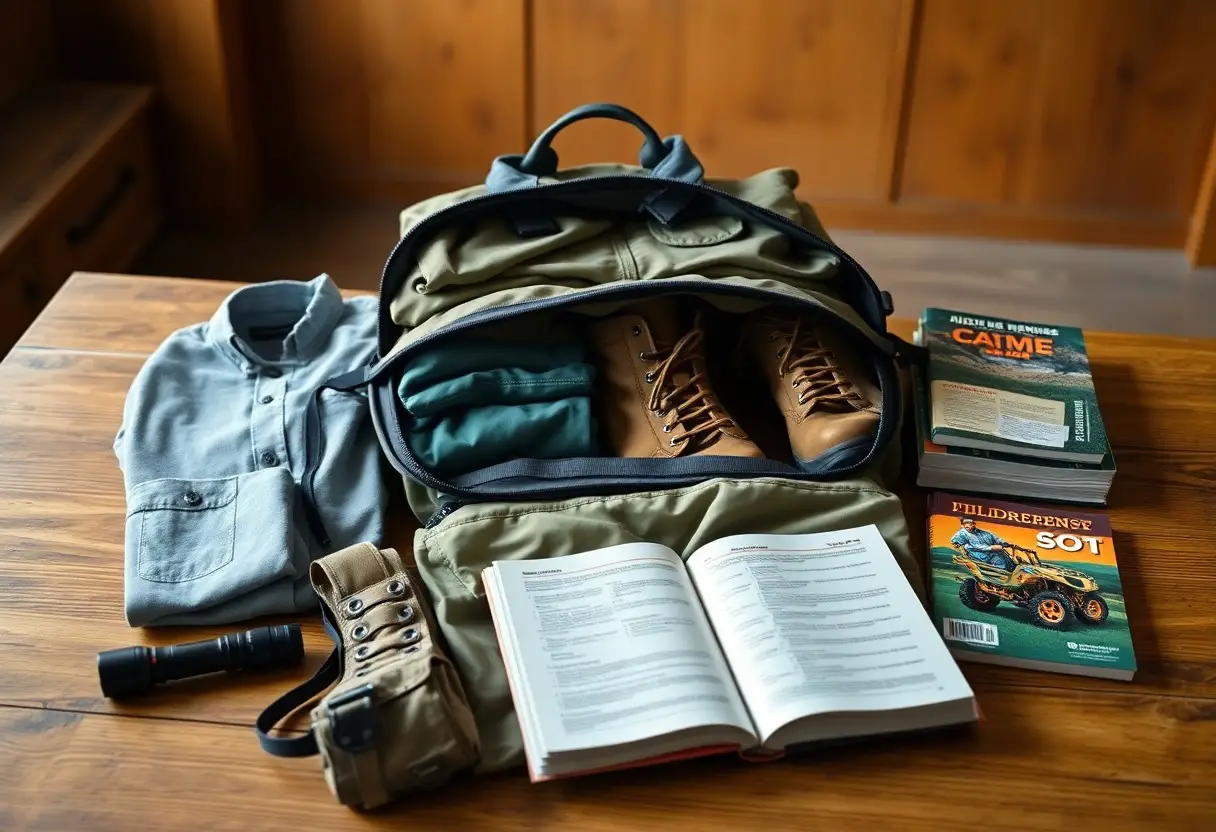
Navigating Comfort and Mobility in Emergency Situations
Comfort and mobility play vital roles in emergency preparedness, particularly when you’re required to be agile and quick on your feet. In situations that require immediate action, choosing clothing that allows for freedom of movement is important. Fabrics that stretch, fit well, and adapt to various activities can make a significant difference in your ability to respond effectively. Layering options also enable you to adjust your attire according to changing weather conditions, enhancing your readiness for whatever may come.
Fit versus Function: Striking the Right Balance
A balance between fit and function is necessary to optimize your performance in a crisis. You want clothing that hugs your body enough to avoid getting caught on obstacles but still allows for ample movement. Whether it’s a snug-fitting moisture-wicking shirt or durable cargo pants, assessing the specific demands of your environment can help you choose pieces that support both comfort and utility. Examine the range of motion required for tasks like climbing, running, or carrying gear, and select clothing that enhances, rather than hinders, those actions.
Importance of Moisture-Wicking Materials
Moisture-wicking materials are a game changer when it comes to clothing for your go bag. These fabrics pull sweat away from your skin, allowing it to evaporate more quickly, which helps regulate your body temperature. In emergency situations where physical exertion is likely, staying dry can prevent discomfort and potential heat-related issues. Selecting clothing made from synthetic fibers or specialized blends designed for maximum breathability can drastically improve your overall experience and performance in the field.

Color and Visibility: The Role of Strategy in Clothing Selection
Strategically selecting the color of your clothing can significantly impact your safety and effectiveness in a crisis. Bright or contrasting colors increase your visibility, making it easier for rescuers to find you or for you to identify group members. Adapting your color choices based on the environment you’re likely to encounter can enhance your chances of staying safe while also blending in when necessary.
The Psychology of Color in Crisis Situations
Colors evoke distinct emotions and reactions. In crisis situations, bright colors like red or orange can signify urgency, grabbing attention and conveying that you need help. Conversely, darker colors like navy and olive green might provide a level of camouflage in certain environments. Understanding the psychological impact of color can guide your wardrobe choices for optimal visibility and emotional well-being during emergencies.
Tactical Advantages of High-Visibility Gear
High-visibility gear can be a game-changer in emergency situations. Brightly colored clothing or reflective materials enhances your chances of being seen, particularly in low-light conditions or through dense foliage. This not only aids in keeping you safe but also allows others to quickly identify you. For instance, wearing a fluorescent vest during a search can connect you with rescue parties and increase the likelihood of a rapid response.
In practical terms, high-visibility gear such as vests, jackets, and backpacks often incorporates reflective stripes, dramatically improving your visibility from greater distances. Research suggests that wearers of high-visibility clothing are up to 70% more likely to be spotted during emergencies, a vital advantage when time is of the essence. Moreover, many of these items can be lightweight and easily stowed in your go bag, ensuring you stay prepared without sacrificing space or weight.
Cost versus Quality: Making Smart Financial Choices for Survival Gear
Balancing cost and quality is imperative when outfitting your go bag. While a low price may be tempting, opting for budget-friendly options can often sacrifice durability and function, putting your survival at risk. Allocate your budget wisely, investing in imperative items that ensure safety and longevity. Quality gear may carry a higher upfront cost, but its reliable performance can save you money in the long run by reducing the need for replacements.
Evaluating Long-Term Investment in Clothing
Assessing clothing for your go bag involves looking at its long-term value rather than just the initial price tag. Durable materials that withstand wear and tear will serve you better over time. For instance, investing in moisture-wicking fabrics prolongs comfort and reduces repeated purchases, effectively cutting costs. Additionally, consider how versatile each piece is for various situations so you maximize usability from your investment.
Identifying and Avoiding Low-Quality Purchases
Identifying low-quality clothing requires vigilance and a discerning eye. Check for material integrity by opting for recognized brands known for durability and conducting thorough research. Look for reinforced stitching, high-quality zippers, and materials like nylon or polyester that resist wear. Testimonials and reviews can also offer insights into the experiences of other users, helping you make informed decisions.
Pay close attention to feel and details, as low-quality garments often exhibit flimsy stitching or cheap materials, leading to rapid degradation. Avoid buying from unfamiliar brands without reviews or product testing, which can often lead to disappointing results. Instead, focus on trusted companies that prioritize quality control and customer satisfaction. Finding clothing specifically designed for rugged outdoor use can also significantly increase your chances of purchasing durable items that stand the test of time.
Real-Life Experiences: Learning from Preparedness Experts
Anecdotes from Survivalists and Preppers
Survivalists and preppers often share stories about their journey to preparedness, showcasing what truly made a difference during emergencies. One individual recounted an unexpected snowstorm that left them stranded for several days. They emphasized the value of layered clothing, as their choice of moisture-wicking base layers and insulating mid-layers kept them warm and dry, ultimately making a challenging situation more manageable.
Lessons Learned: What Works and What Doesn’t
Insights from preparedness experts reveal that not all clothing options are created equal. Many find that synthetic materials outperform cotton in wet and cold conditions, with fleece and down proving important in terms of insulation. Others shared experiences where ill-fitting shoes hindered mobility during critical moments, highlighting the necessity of comfortable, well-fitted footwear. Interestingly, several preppers advocate for multipurpose clothing that can be adapted to various scenarios, reinforcing the idea that versatility is key in a go bag.
In evaluating what works, adaptability stands out as a universal theme. Preppers have discovered that clothing designed to serve multiple functions—such as convertible pants that zip off into shorts or jackets with removable linings—provides value without adding excess weight. Additionally, layering systems enable you to adjust for varying climates and energy levels, ensuring your clothing can be tailored to the environment. Conversely, items that are overly specialized or heavy can quickly become liabilities, underlining the importance of careful selection when curating your go bag importants.
To wrap up
Drawing together your choices in clothing for your go bag requires careful consideration of versatility, climate, and functionality. Focus on selecting lightweight, moisture-wicking fabrics that can adapt to various conditions while ensuring ease of movement. Prioritize items that can be layered, providing you with options for warmth or cooling as needed. By thoughtfully selecting versatile and durable pieces, you can ensure that your go bag is ready for any situation while keeping your comfort and safety in mind.


