
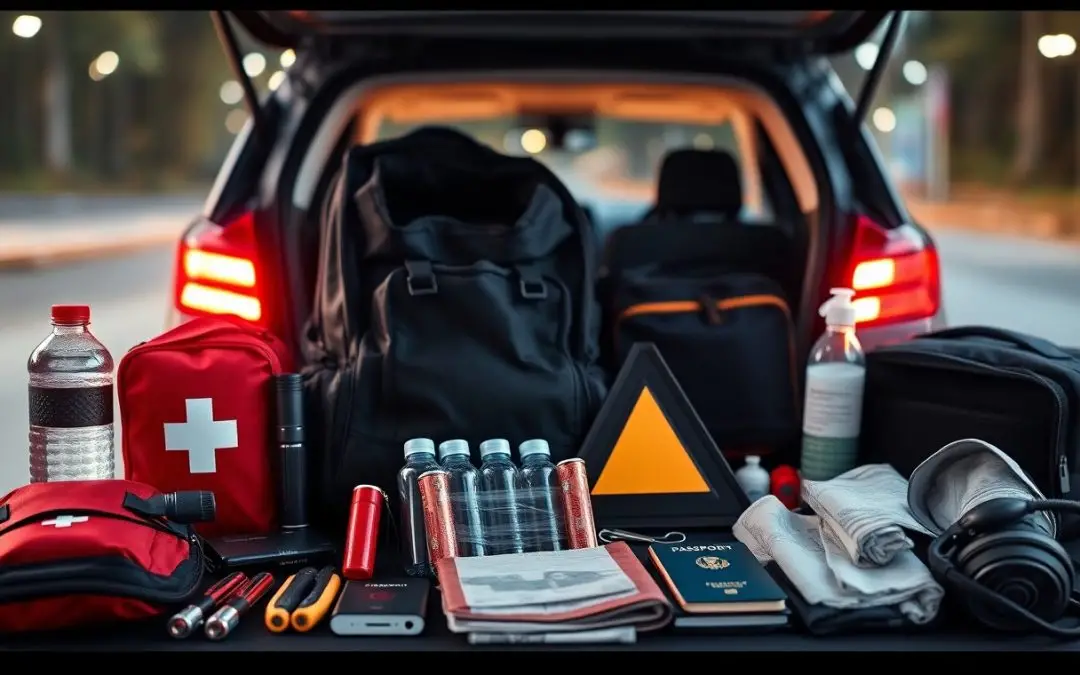
Many emergencies occur without warning, so you should assemble go bags tailored to your home, car, and travel that ensure you can shelter, communicate, and care for injuries; include water and water purification, nonperishable food, a first-aid kit, flashlight and batteries, a multi-tool, portable charger, copies of documents and cash, necessary medications, warm clothing, and a compact shelter or blanket to keep you mobile and protected.
Understanding the Importance of an Emergency Go Bag
What is an Emergency Go Bag?
An emergency go bag is a compact, grab-and-go kit that keeps you self-sufficient for 72 hours. You should pack one gallon of water per person per day, 72 hours of nonperishable food, a basic first-aid kit, seven days of prescription meds, copies of IDs and insurance, a flashlight and extra batteries, a multi-tool, and a phone charger. Customize for infants, pets, or medical devices and rotate supplies every six months.
When and Why You Need One
When you face sudden evacuations from wildfires, floods, or major power outages, a go bag gets you out fast with imperatives like meds, documents, and cash. You also need one for long road trips-car breakdowns in remote areas can leave you stranded for hours. Emergency services often advise a 72-hour self-sufficiency window; having a ready bag makes you less dependent on strained public resources during the first critical days.
For home, include N95 masks, a whistle, $100 in small bills, a power bank, and spare keys; for your car, add jumper cables, a 12V air compressor, reflective triangle, and a gallon of water; when you travel internationally, pack passport copies, a local SIM or eSIM plan, basic translations, and travel-size medications. Real-world evacuations show people who grab bags with meds and IDs recover administrative and medical continuity much faster than those who don’t.
Essential Items for a Home Go Bag
You should assemble a home go bag that supports your household for at least 72 hours: include identification, cash (small bills and $100-200), power (portable 10,000 mAh battery and a hand-crank radio), sanitation (wipes, garbage bags), multi-tool, flashlight with extra batteries, and copies of insurance and medical records in a waterproof pouch.
Food and Water Supplies
You need a minimum of 3 liters of water per person per day for drinking and basic hygiene plus a 72-hour food supply like three high-calorie (300-400 kcal) meal replacement bars, canned proteins (tuna, beans) with a manual can opener, electrolyte packets, a portable stove or solid-fuel tablets, and a small cooking pot or mess kit.
First Aid and Medical Supplies
Pack a comprehensive first-aid kit: 20 adhesive bandages, 8-10 sterile 4×4 gauze pads, adhesive tape, antiseptic wipes, triangular bandages, a tourniquet, CPR mask, tweezers, blunt scissors, instant cold packs, a digital thermometer, and OTC meds such as ibuprofen 200 mg, acetaminophen 500 mg, antihistamine, and oral rehydration salts.
Include a 7-14 day supply of prescription medications in original containers with a written medication list and physician contact; for special needs add inhalers with spacers, EpiPens, a blood-glucose kit and extra insulin if needed; store kits cool, check expirations every six months, rotate items as needed, and complete a basic first-aid and stop-the-bleed course to use them effectively.
Must-Have Items for a Car Go Bag
Your car go bag should prioritize visibility, mobility, and emergency repairs: include a 12V portable jump starter (400-800 peak amps) or heavy-duty jumper cables (6-gauge, ~20 ft), a 12V tire inflator and sealant, a 3-piece reflective triangle set, LED flares, a compact first aid kit, water (2 L per person), high-energy bars, a warm blanket, a multi-tool, and a 10,000 mAh power bank; store everything in a waterproof duffel and check monthly for expired supplies.
Safety Equipment
You should pack a high-visibility vest, a 3-piece reflective triangle set and two LED flares to increase visibility at night; place triangles 10-50 meters behind the vehicle depending on road speed. Add a 1 lb ABC fire extinguisher, a vehicle escape tool with seatbelt cutter/window breaker, and a first aid kit with bandages, gauze, antiseptic wipes, and a tourniquet. Work-ready gloves and a headlamp let you stay safe while performing roadside tasks.
Tools and Repair Kits
Your go bag needs tools to get you moving: a portable 12V jump starter (400-800 peak amps) or heavy jumper cables, a 12V tire inflator with pressure gauge plus tire sealant, a compact socket set, adjustable wrench, screwdrivers, pliers, a lug wrench and scissor jack, a tow strap rated 3-5 tons, zip ties, duct tape, and a folding shovel for snow or mud; organize tools in a roll or pouch for quick access.
Maintain and practice with your repair gear: test the jump starter monthly and keep clamps clean, follow manufacturer steps when connecting (positive to positive, negative to engine block), check inflator fittings and inflate to the vehicle’s door-jamb PSI, and replace tire sealant after use or two years. Confirm the jack and lug wrench fit your wheels, inspect tow strap for frays, and rehearse a basic tire change so you can act quickly under stress.
Travel-Specific Emergency Go Bag Essentials
When you travel, prioritize compact, airline-friendly items that keep you mobile and legally prepared: pack a 20,000 mAh power bank, a universal adapter, a sealed passport/ID pouch, local-currency cash (enough for 48-72 hours), a spare SIM or eSIM activation code, and offline maps. Store encrypted digital copies of documents on cloud and an encrypted USB, and register with your embassy or use the Smart Traveler Enrollment Program (STEP) where available.
Important Documents and Identification
Keep your passport, visas, driver’s license, and travel insurance card in one RFID-blocking sleeve, plus two paper photocopies stored separately. Add a manifest with embassy/consulate numbers, your policy number, and emergency contacts; save encrypted scans and photos to cloud storage and an offline encrypted USB. If you need medical clearance or vaccination proof (e.g., yellow fever), include the original certificate and a digital copy.
Travel Health and Safety Items
Carry a compact med kit with a 7-day supply of prescriptions in original containers, pain relievers, antihistamines, antidiarrheal meds, antibiotic ointment, sterile dressings, blister kits, hand sanitizer (60%+ alcohol), and an N95 or KN95 mask. Add water purification tablets or a LifeStraw and a small first-aid manual for remote areas.
Expand your kit by listing prescription names and dosages, plus a printed copy of allergies and blood type; pharmacies abroad often require generic names. Include a travel thermometer, tick remover, and a compact epinephrine auto-injector if you have anaphylaxis history. Tailor vaccines and antimalarial meds to destination risk levels and keep your travel insurance policy number and emergency evacuation contacts readily accessible.
Tips for Customizing Your Go Bag
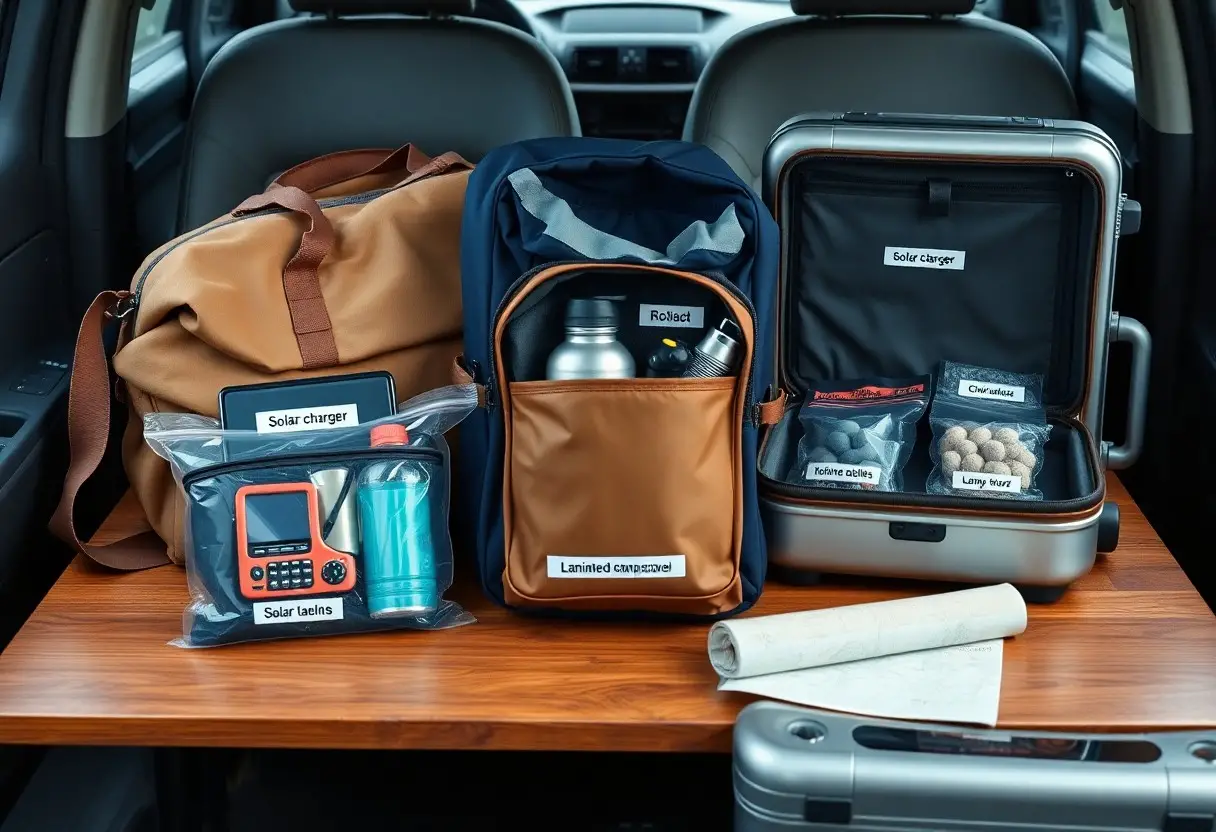
Tailor items to your region, health and routines: include 48-hour water (1-2 L/day), a 7-day med backup, weather-specific clothing, and copies of IDs and emergency contacts.
- Food: high-calorie bars, 72-hour meals
- Medical: EpiPen, insulin cooler pack, spare glasses
- Tools: multi-tool, portable charger, 12V jumper for car
- Family: baby formula, three days of diapers, pet food
Thou rotate perishables seasonally and keep duplicates between home and vehicle.
Considering Personal Needs
Assess allergies, chronic conditions and mobility limits, then pack accordingly: an extra EpiPen, a 7-day insulin reserve with cold packs, spare glasses and a 30-day contact lens kit, plus infant formula and three days of diapers. You should include adaptive gear-folding cane, hearing-aid batteries-and printed emergency plans for caregivers, labeling meds with dosages and expiration dates to avoid confusion under stress.
Regular Updates and Maintenance
Schedule checks every three months to inspect food, water, meds and batteries; rotate food annually and replace water every six months. You should discard expired prescriptions, refill with a 30-90 day supply when possible, swap alkaline batteries yearly, and test power banks monthly, using calendar alerts and a simple inventory sheet to stay organized.
Also perform a seasonal audit: add sun protection and electrolytes in summer, swap to hand warmers and thermal layers in winter, verify children’s clothing sizes, and keep a basic duplicate kit in your car if your commute exceeds 30 minutes; update the dated inventory in the bag’s interior pocket after travel or medical changes so contents always match real-world needs.
Resources and Tools for Creating Your Go Bag
You can streamline assembly by using official templates (FEMA, Red Cross) alongside hazard maps for your region and a simple inventory spreadsheet that logs item, purchase date, expiry and replacement interval; for example, note water rotation every 12 months and medication 7-day backups with expiry alerts. Combine digital checklists, a QR-coded medical summary, and labeled packing cubes so you can assemble, audit and deploy consistently when time is limited.
Checklists and Organization Tools
Use printable 72-hour checklists and apps like Google Keep or Todoist to track crucials and set quarterly review reminders; employ clear zip bags, packing cubes, and a 2-column inventory (must-take vs luxury) to speed packing. Include expiration-date columns, a contact card with ICE numbers, and a simple spreadsheet template that totals weight per bag so you keep your home, car, and travel kits balanced and portable.
Where to Purchase Essential Supplies
Buy crucials from a mix of outlets: REI or local outdoor shops for durable gear (Petzl headlamps $30-$80), Amazon for wide selection (Anker power banks $40-$80), Costco/Walmart for bulk water and food, and pharmacies for OTC meds and wound care; check ANSI/NSF certifications on safety and filtration gear and compare warranties before purchase.
For savings and reliability, buy bulk consumables (water, MREs) to lower unit cost and rotate stock annually, scout surplus stores for tools and tactical packs, and inspect return policies on electronics. Verify seal integrity, check filter certifications (NSF/ANSI 53 for contaminants), and keep receipts/warranty info scanned in a cloud folder so you can replace or claim items quickly after testing or recalls.
Final Words
Following this guidance, you can equip your home, car, and travel go bags with layered supplies-water, food, first aid, multi-tool, communications, light, warm layers, copies of documents, and cash-so you can respond fast and stay self-reliant during disruptions. You should routinely check, update, and customize kits to match your health needs, local risks, and trip durations.


