
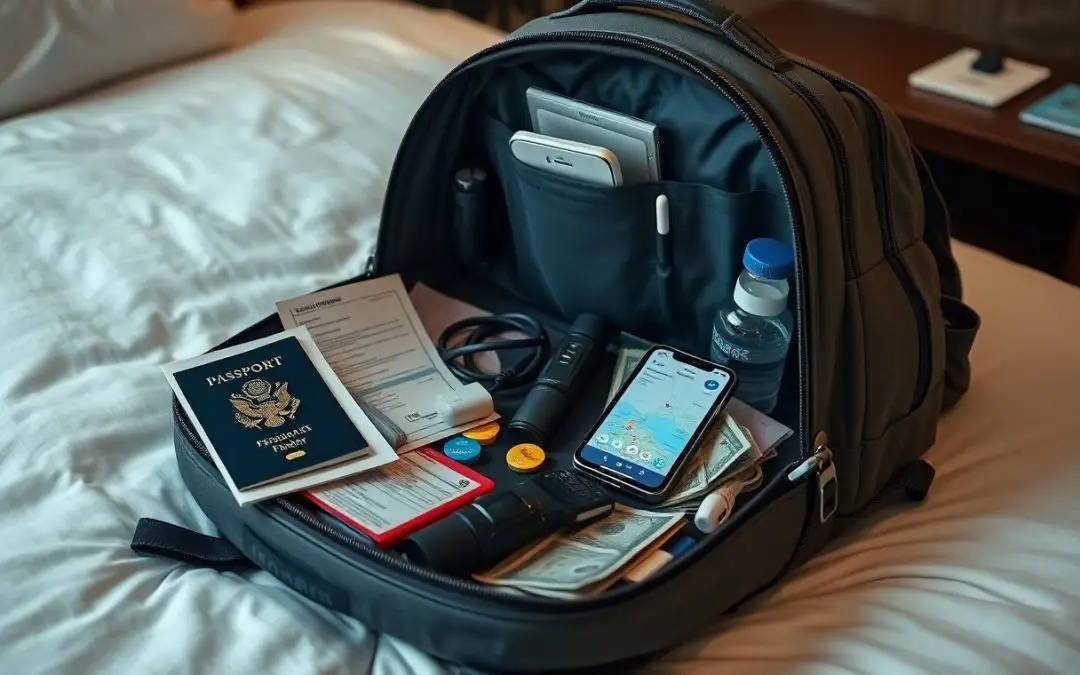
Emergency situations can happen anywhere, especially when you’re far from familiar support systems. You need a clear plan to stay safe and handle unexpected events while traveling. This guide shows you practical steps to prepare, from packing vitals to knowing local emergency contacts, so you can respond confidently no matter where you are.
Identifying Critical Travel Risk Factors
- Analyzing destination-specific safety and health alerts
- Evaluating environmental hazards and local infrastructure
Recognizing potential dangers begins with understanding what threats are most likely in your destination. Research crime rates, political stability, and common scams targeting travelers. Check government travel advisories and register your trip with your embassy if possible. Stay informed about local laws and cultural norms to avoid unintended conflicts.
Analyzing destination-specific safety and health alerts
You should check official health and travel websites for real-time updates before departure. Many countries issue warnings about disease outbreaks, civil unrest, or natural disasters. Subscribing to alerts from your home country’s foreign office keeps you informed during your trip. Staying aware helps you adjust plans quickly when conditions change.
Evaluating environmental hazards and local infrastructure
Local weather patterns, terrain, and the reliability of public services affect your safety. Roads may be poorly maintained, emergency services slow, or power and water supplies inconsistent in some regions. Natural risks like earthquakes, floods, or extreme heat can arise with little warning. Knowing what to expect prepares you for disruptions.
Infrastructure quality directly impacts your ability to respond during an emergency. In remote or underdeveloped areas, hospitals may lack resources, and communication networks can be spotty. Transport options might be limited, delaying evacuation if needed. You gain an edge by learning where medical facilities are located and how to reach them. Always carry backup power and offline maps.
Securing Essential Documentation and Digital Backups
Keep your travel documents safe and accessible by storing both physical and digital copies. Use password-protected cloud storage for scans of your passport, visa, and ID, and ensure only you can access them. This simple step gives you peace of mind if originals are lost or stolen.
Managing physical and encrypted copies of legal IDs
Carry a photocopy of your passport and ID in a separate bag compartment. Store encrypted digital versions in a secure app or cloud drive. Never leave originals exposed-use a hidden travel wallet for the real documents and limit who sees them.
Organizing travel insurance and emergency medical records
Have your insurance card and policy number ready in both wallet and phone. Include emergency contacts and any critical medical details. This ensures help can come quickly if something goes wrong abroad.
Knowing your policy covers evacuation, hospitalization, and pre-existing conditions prevents delays in care. Share access to these documents with a trusted contact at home. Keep a printed summary in your travel folder and verify coverage regions-some plans exclude certain countries or activities like skiing or scuba diving.
How to Assemble a Comprehensive Emergency Kit
Every journey demands a thoughtfully packed emergency kit tailored to your destination. You’ll want to include items that address medical needs, power shortages, and communication breakdowns. Choose a durable, compact container that’s easy to access and carry. Your safety often depends on what you’ve prepared before things go wrong.
Selecting vital medical supplies for diverse environments
You face different health risks depending on where you travel. In tropical regions, include rehydration salts and antiseptic wipes. For cold climates, pack hand warmers and blister treatment. Always carry any prescription medications in original packaging, along with a basic first aid kit suited to your itinerary and activity level.
Packing portable power sources and communication tools
A dead phone in an emergency leaves you isolated. Include a lightweight power bank with enough capacity to recharge your devices twice. Bring a hand-crank radio or flashlight with USB charging to stay connected when outlets are unavailable. These tools keep you informed and reachable when infrastructure fails.
Power availability can’t be guaranteed when you’re off the grid. Choose a solar-powered charger if you’re traveling long-term or to remote areas. Pair it with a satellite messenger like a Garmin inReach for two-way texting in areas without cell service. These devices give you a direct line to emergency contacts and local assistance, even in the most isolated locations. Test all electronics before departure to ensure they function properly under stress.
Establishing a Robust Communication Strategy
Staying connected during travel ensures help is reachable when emergencies arise. You should identify reliable communication tools before departure and understand local network availability. Sharing your plans with trusted contacts builds a support system that can act quickly if needed. Preparation today can make all the difference tomorrow.
Utilizing government traveler enrollment programs
Enrolling in your government’s traveler notification service keeps officials aware of your location. You receive timely alerts about safety risks and gain faster assistance during crises. These programs link you directly to consular support if something goes wrong abroad. It’s a simple step that strengthens your security.
Coordinating check-in protocols with contacts at home
Setting regular check-in times with someone you trust ensures your well-being is monitored. Choose a schedule that fits your itinerary and stick to it. If you miss a check-in, your contact knows when to start following up. Consistency builds reliability in uncertain situations.
Your check-in routine should include specific details-like your location, mode of transport, or any changes in plans-so your contact has accurate information. Use messaging apps, emails, or calls depending on connectivity. Agree in advance on what steps they’ll take if you don’t check in as expected, such as contacting local authorities or your accommodation. This clarity removes guesswork during stressful moments and ensures timely action.
Financial Contingency and Resource Management
Smart planning ensures you stay in control when unexpected costs arise. Keep access to funds flexible and secure, so disruptions don’t leave you stranded. Your ability to respond calmly depends on how well you’ve prepared for financial hiccups abroad.
Diversifying access to emergency funds and currency
You should carry more than one way to access money. A mix of credit cards, cash in local currency, and a backup debit card spreads risk. If one method fails, another keeps you moving without delay.
Locating reputable medical facilities and foreign embassies
Know where to go if illness or injury strikes. Identify trusted clinics or hospitals near your destination before you arrive. Embassy details should be saved in your phone and written down, just in case.
When traveling, your health and safety depend on quick access to reliable care. Research hospitals or clinics with English-speaking staff and international accreditations ahead of time. Save embassy contact information, including after-hours lines, and understand what assistance they can legally provide-most can’t pay bills but may help with communication or legal referrals.
Expert Tips for Navigating Crisis Situations
- Carry a portable charger to keep devices powered
- Save local emergency numbers in your phone
- Identify embassy or consulate contacts ahead of time
- Trust your instincts when something feels off
You stay safer when you act calmly and decisively. Thou always have more control than you think in high-pressure moments.
Maintaining situational awareness in unfamiliar areas
Observe how locals behave and note exits whenever entering a new space. You notice patterns in crowd movement that signal normal activity versus potential threats. Stay alert without appearing distracted, and avoid staring at your phone in open areas.
Implementing immediate evacuation and safety protocols
React quickly if danger arises by following marked escape routes or shelter-in-place instructions. You move with purpose, keeping your group together and communication clear. Thou follow pre-established plans to reduce hesitation during urgent moments.
When executing evacuation procedures, prioritize personal safety over belongings. Move swiftly but calmly, using stairs instead of elevators, and avoid bottlenecks. If exits are blocked, seek alternative shelter and signal for help using available tools like flashlights or whistles. Always confirm your location before contacting emergency services.
Final Words
Conclusively, you protect your travel experience by preparing for the unexpected. Carry important documents, know emergency contacts, keep a small first-aid kit, and stay aware of local risks. Your readiness ensures safety, minimizes disruption, and lets you respond calmly when situations change. Planning ahead is your best defense when away from home.


