
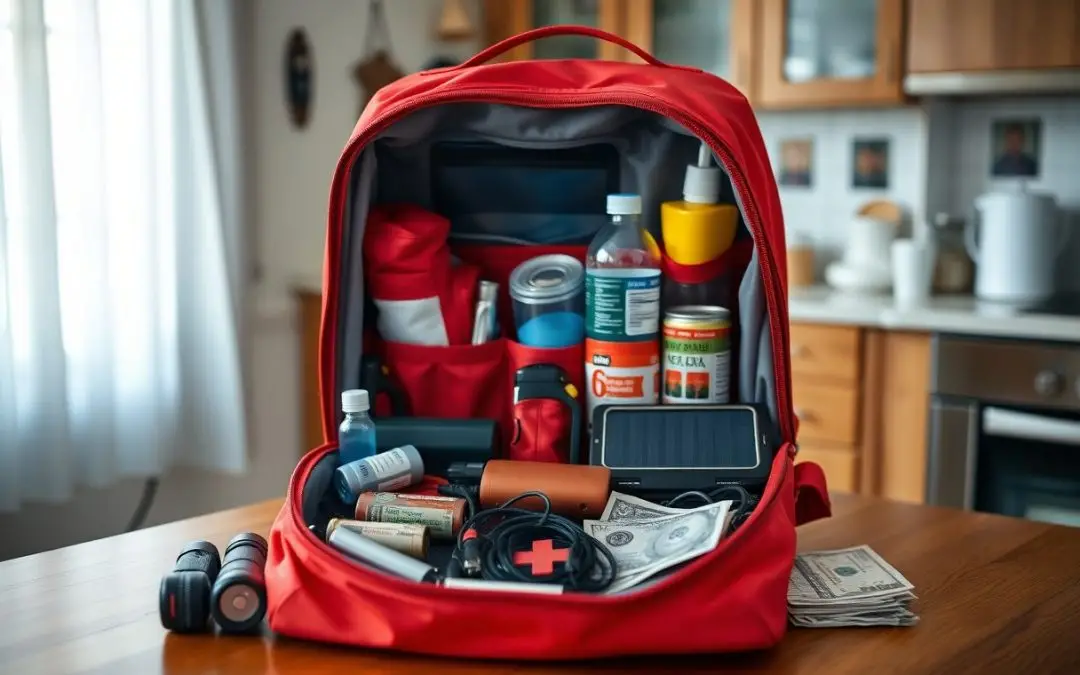
You need to act now to protect yourself when the power grid fails. A well-stocked go bag ensures you stay safe and functional during extended outages. This guide shows you exactly what to include and how to use it when electricity is gone.
Essential Backup Power and Lighting Solutions
Light and power are non-negotiable when the grid goes down. Your go bag must include reliable lighting and ways to recharge necessary devices. Darkness increases risk, and a dead phone cuts you off from information and communication. Plan for both immediate visibility and sustained energy needs during extended outages.
Selecting high-lumen LED flashlights and headlamps
You need brightness that cuts through total darkness without draining batteries fast. Choose LED flashlights and headlamps with at least 300 lumens, adjustable beams, and multiple modes. A headlamp keeps your hands free for tasks, while a durable flashlight serves as a dependable backup. Test each option before packing.
Portable power banks and solar charging units
A fully charged power bank gives your phone or radio extra life when outlets aren’t an option. Pick one with high capacity-measured in milliamp-hours-and multiple USB ports. Pair it with a compact solar charger to keep it topped off during daylight. These tools extend your reach when disconnected from the grid.
Solar charging units vary in efficiency, so look for models with monocrystalline panels-they perform better in low light. Foldable, weather-resistant designs pack easily and survive harsh conditions. Charge your power bank in stages throughout the day, even under cloud cover. Over time, this steady input keeps critical devices running longer than batteries alone ever could.
Sustenance and Hydration Planning
Keeping your energy up during a power grid failure means planning ahead with reliable food and water solutions. Your go bag must include meals that last without refrigeration and ways to access clean drinking water when supplies run low. Focus on simplicity, efficiency, and safety to stay strong through extended outages.
Calorie-dense non-perishable food supplies
Stock your go bag with foods that pack high energy in small packages. Items like nuts, dried fruit, beef jerky, peanut butter packets, and ready-to-eat meals provide sustained fuel without spoiling. Choose options with minimal prep needs so you can eat quickly and safely, even without power or cooking tools.
Portable water filtration and purification tools
Carry a compact filter or purification device to turn questionable water into something safe to drink. These tools remove bacteria, parasites, and debris from streams, ponds, or stored sources. Having one ensures you won’t run dry when bottled water runs out.
A quality portable filter uses advanced membrane technology to block harmful microorganisms while maintaining flow rate and ease of use. Some models combine UV light or chemical treatment with physical filtration for added protection. Test your device before an emergency so you know how to operate it quickly and confidently when needed.
Critical Factors for Selecting Durable Gear
- Weight and portability affect how far you can travel comfortably
- Material strength determines resistance to wear and environmental damage
- Weatherproofing ensures gear remains functional in rain or snow
- Design simplicity reduces failure points during extended use
The right balance of these elements increases your chances of staying safe and self-reliant when the grid goes down.
Bag weight and ergonomic portability
Carrying a heavy load over long distances strains your body and slows movement. Choose a bag with padded shoulder straps, a supportive hip belt, and breathable back paneling. Keep the total packed weight manageable so you can move quickly if needed. The goal is sustained comfort without sacrificing crucial supplies.
Weatherproofing and material durability
Exposure to rain, snow, or humidity can ruin unshielded gear. Look for ripstop nylon or polyester with reinforced stitching and sealed seams. Waterproof zippers and roll-top closures add extra protection. The bag must endure harsh conditions without failing when you depend on it most.
Materials like 1000D Cordura nylon resist abrasions, tears, and UV degradation over time, making them ideal for long-term preparedness. Coated fabrics with polyurethane or silicone layers prevent water penetration while maintaining packability. Internal waterproof liners or included dry sacks give added security for sensitive items like electronics or medical supplies. The best bags combine rugged textiles with smart construction to survive extreme environments without added bulk.
Communication and Information Access
Staying informed during a power grid failure keeps you safe and prepared for changing conditions. Without internet or cell service, your ability to receive weather alerts, emergency broadcasts, or evacuation orders depends on reliable offline tools. A well-equipped go bag includes communication methods that work independently of infrastructure.
Emergency hand-crank weather radios
Power your radio without electricity by turning the built-in hand crank for 60 to 90 seconds. These devices receive NOAA weather alerts and AM/FM broadcasts, giving you real-time updates even during extended outages. Choose a model with a USB port to charge small devices using manual power.
Physical maps and offline navigation resources
Keep detailed paper maps of your local area and primary evacuation routes in your go bag. Unlike GPS, they don’t rely on signals or batteries. Mark key locations like shelters, water sources, and medical facilities to make decisions quickly when digital tools fail.
Having physical maps means you’re never lost, even when technology isn’t an option. Use waterproof cases or laminated sheets to protect them from damage. Pair them with a printed guide to landmarks, compass directions, and alternate roads so you can adapt your route if highways are blocked or unsafe.

How-to Assemble and Organize Your Go Bag
Start by selecting a durable, weather-resistant backpack with multiple compartments. Place vital survival items like water purification tools, first aid supplies, and emergency food at the top for quick access. Secure heavier gear like flashlights and power banks toward the center to balance the load. Keep documents in a waterproof pouch and test your setup with a full trial pack.
Layering items for rapid accessibility
Organize your bag in layers, with daily-use items on top and heavier tools below. Keep flashlights, medications, and emergency cash in outer pockets. This layout lets you grab what you need without unpacking everything, saving time during urgent situations when every second counts.
Efficient weight distribution for long-distance carry
Position heavier items like water and power banks close to your back and centered in the pack. This keeps your balance stable and reduces strain on shoulders and hips. Lighter gear like clothing should fill the sides and bottom, helping maintain an even load during extended movement.
Carrying a poorly balanced bag over long distances leads to fatigue and discomfort. When heavy items shift or sit too high, they pull your posture forward, increasing the risk of injury. By placing dense objects near your spine and midway down the pack, you align the weight with your body’s natural center. Use compression straps to secure contents and prevent bouncing. A well-balanced load feels lighter and allows you to move efficiently, even over rough terrain or during prolonged evacuation scenarios.
Maintenance Tips for Sustained Readiness
Keep your go bag effective by reviewing contents quarterly.
- Check expiration dates on food and medication
- Replace used or degraded supplies promptly
- Update personal documents and contact info
- Store batteries outside devices to prevent corrosion
Any lapse in upkeep can compromise your preparedness when seconds count.
Rotating food and battery stock regularly
Swap out perishable food items every six months to ensure freshness and safety. Use older supplies in daily meals and replace them with new ones. Apply the same rotation to batteries, moving used ones to backup devices. This simple habit keeps your bag reliable and ready.
Periodic gear inspection and testing protocols
Test each piece of equipment at least twice a year to confirm it works. Turn on flashlights, charge power banks, and inflate emergency shelters briefly. Inspect for frayed wires, leaks, or worn seams. Early detection prevents failure in a crisis.
Your flashlight may power on today but fail under stress if not tested under real conditions. Run each device long enough to verify performance-illuminate a dark room, charge a phone, or tune a radio. Document test results on a checklist inside your bag. Over time, patterns emerge, showing which items need early replacement or upgrades, ensuring consistent reliability.
Summing up
Following this guide ensures you’re ready when the power grid fails. Your go bag holds crucials like water, food, light, and communication tools. You know where to keep it and how to use each item. Power may go out, but your preparedness stays on.


