
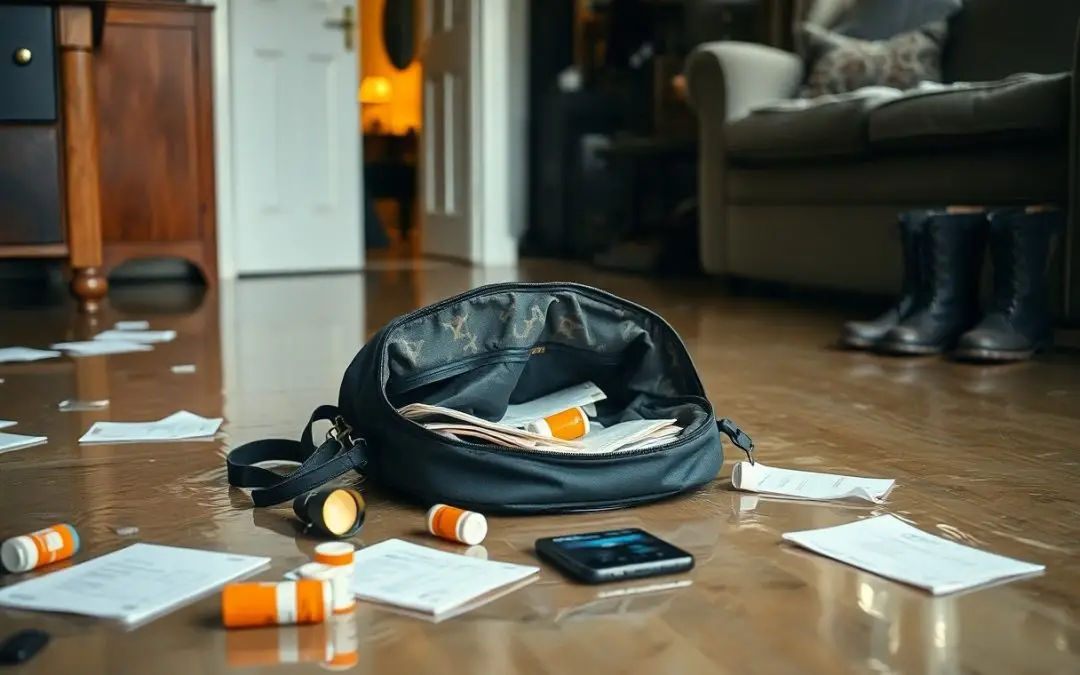
With disaster striking without warning, you may find yourself scrambling for importants like water, medication, or identification. Without a go bag, your ability to leave quickly and safely diminishes, exposing you to greater risk. Every second counts, and being unprepared can mean the difference between staying safe and facing avoidable danger.
The Brutal Reality of Bare Hands
Survival becomes a raw test of endurance when you face disaster without a Go Bag. You’re left exposed, reacting instead of acting, and every decision carries heavier risk. Simple needs like water, warmth, or shelter turn into urgent struggles. Without preparation, you’re relying on luck-not logic.
Scarcity when the world breaks
When systems fail, stores empty within hours. You’ll find shelves stripped bare and lines nonexistent because there’s nothing left to queue for. Clean water, medicine, even food wrappers become treasures. Waiting too long to act means joining the scramble with nothing to trade, nothing to barter, and no backup plan.
The heavy price of poor gear
A flimsy flashlight dies by hour two, leaving you in the dark. Thin clothing soaks through and offers no warmth. Boots split on rough terrain. Cheap gear doesn’t just fail-it betrays you when you need it most, turning minor setbacks into life-threatening situations.
Low-quality equipment often seems like a savings until it fails under pressure. A tent that collapses in wind forces you into unsafe spaces. A water filter that doesn’t seal properly risks illness from contaminated sources. Poor gear doesn’t just inconvenience you-it extends your exposure, drains your energy, and increases danger with every mile or hour you must endure.
Physical Hardship of the Unprepared
Survival becomes a daily battle when disaster strikes and you have no go bag. Without basic supplies, even minor injuries can worsen quickly, and exposure to the elements takes a steep toll on your body. You’ll face each challenge with dwindling strength, forced to improvise in situations where preparation would have made all the difference.
Thirst that weakens the spirit
Water runs out faster than you expect. Your mouth dries, your head aches, and simple decisions feel overwhelming. Dehydration doesn’t just strain your body-it erodes your will, making fear louder and hope harder to hold onto.
Hunger in the ruins
Empty shelves and silent pantries leave you staring at nothing. Your stomach tightens, energy fades, and focus slips as your body burns through its reserves. Without food, even safe surroundings begin to feel like a prison.
When food vanishes, your body starts consuming itself. First, fatigue sets in, then irritability, then a dulling of the mind. You may scavenge through debris or wait in long lines, but without a reliable source, every hour without nourishment chips away at your ability to act, think, and endure. Malnutrition doesn’t announce itself-it creeps in, quietly undermining every effort to survive.
Darkness and the Loss of Sight
When the power fails and night falls fast, you’re left blind in your own home. Without a flashlight or spare batteries in a Go bag, every step becomes a risk. Shadows hide broken glass, spilled chemicals, or unstable floors. You fumble through rooms, relying on memory that fails under stress. Light is more than convenience-it’s safety.
Silence of the broken phone
Your phone dies within hours, and there’s no way to charge it. Without communication, you’re cut off from emergency alerts, family updates, or rescue coordination. That silence magnifies fear. A Go bag with a hand-crank radio or power bank keeps you connected when it matters most.
Navigating through the fog
Smoke, dust, or weather can turn familiar streets into disorienting mazes. Without a map, compass, or protective mask in your Go bag, every turn feels uncertain. Visibility drops, and panic rises. Simple tools make the difference between confusion and clear movement.
When airborne particles fill the air after a disaster, your ability to see and breathe diminishes quickly. A Go bag equipped with an N95 mask, whistle, and physical map allows you to move with purpose. You won’t rely on GPS that may be down or apps that need signal. These items keep your senses sharp and your path clear, even when the world around you is obscured.
Exposure to the Cruel Elements
Without a Go Bag, you’re left defenseless when nature turns hostile. Rain, wind, and cold don’t wait for preparation. Your body bears the full force of the storm, and every minute outside erodes your resilience. Shelter, warmth, and dry clothing-items you may take for granted-are suddenly out of reach, placing your health at immediate risk.
Rain that numbs the skin
Rain soaks through your clothes fast, chilling you to the core. Wet fabric pulls heat from your body, making hypothermia a real threat even in mild temperatures. Shivering starts subtly, then becomes uncontrollable. You lose dexterity, focus, and strength-all while searching for cover that may not exist.
Seeking warmth without a flame
Your hands tremble too much to strike a match, and there’s no blanket to wrap around your shoulders. Body heat slips away quickly, especially if you’re wet or injured. You huddle in place, hoping movement will help, but exhaustion sets in fast without proper insulation or a reliable heat source.
Staying warm without fire demands preparation you may not have in the moment. Layering, wind protection, and physical activity can slow heat loss, but without even a basic emergency blanket or dry change of clothes, your options vanish. Your body burns energy faster than you can replenish it, and in cold conditions, this imbalance can become life-threatening within hours. A Go Bag with insulated gear could be the difference between survival and collapse.
Mental Strain of the Void
Empty hands during evacuation speak louder than fear. Without a Go Bag, your mind fixates on what’s missing-the medicine, the documents, the small comfort that could anchor you. That absence doesn’t just slow you down; it hollows out your focus, leaving room only for panic.
Fear born of empty pockets
Power fades when you realize you have nothing to fall back on. No flashlight, no cash, no extra phone charger-each missing item amplifies your helplessness. You stand in the storm’s shadow, knowing survival now depends on luck, not preparation.
Regret for the unmade bag
You remember the weekend you meant to pack but didn’t. That moment loops in your mind as you scramble through smoke or floodwater. It wasn’t laziness-it was disbelief. And now, every second lost searching is a reminder of that choice.
Regret sharpens when hindsight is all you have. That unmade bag wasn’t just a container of supplies-it was a promise to yourself. Skipping it felt harmless at the time, but in crisis, that decision becomes a weight. You’re not just missing gear; you’re facing the cost of assuming it would never matter.
Relying on the Mercy of Others
When disaster strikes and you’re unprepared, you place your safety in the hands of strangers. Emergency responders are stretched thin, and aid takes time. You may find yourself waiting for help that arrives too late, dependent on others who have their own families to protect. Self-reliance isn’t just wise-it’s necessary.
Waiting for the slow hand of aid
Help often arrives hours or even days after a crisis begins. Roads may be blocked, communication lines down, and resources limited. You could be sitting in the dark, cold and hungry, while rescue teams prioritize the most critical cases. Relying solely on outside assistance puts your survival at risk.
The danger of having nothing
Without a go bag, you lack basic supplies like water, medication, or a flashlight when you need them most. Every minute without crucials increases your vulnerability. Exposure, dehydration, or untreated injuries can escalate quickly. Being unprepared doesn’t just inconvenience you-it can cost you your health or life.
Imagine fleeing your home with nothing but the clothes on your back. No ID, no cash, no phone charger. You can’t prove who you are, reach loved ones, or stay connected. Children may panic without comfort items, and medical conditions worsen without medication. This level of helplessness isn’t just stressful-it’s dangerous. A go bag ensures you retain some control when everything else is lost.
Conclusion
Conclusively, you put yourself at serious risk by not having a Go Bag during a disaster. Without immediate access to importants like water, medication, and identification, your ability to respond quickly and safely diminishes. In emergencies, every second counts-being unprepared can mean the difference between staying safe or facing avoidable danger.


