
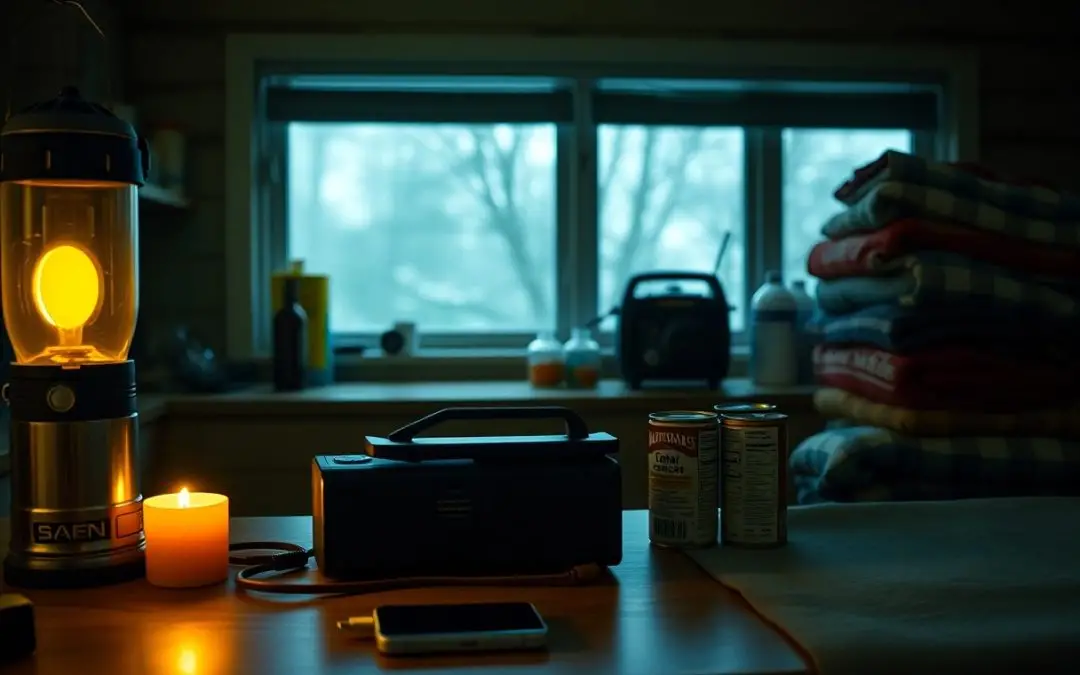
With the lights gone and silence settling in, you need to act quickly and calmly. Check your circuit breakers first to rule out a localized issue. Use flashlights instead of candles to avoid fire risks. Keep your phone charged and conserve battery. Contact your utility company to confirm the outage and get updates. Stay indoors unless instructed otherwise.
The First Assessment
Stay calm and take a moment to observe your surroundings. Determine whether the outage affects only your home or extends beyond. Use your phone’s flashlight sparingly while you gather crucial items and assess immediate safety risks. This brief pause helps you respond more effectively in the minutes ahead.
Checking the Neighboring Houses
Look outside to see if nearby homes have power. Streetlights or illuminated windows across the street offer quick clues. If their lights are off too, the issue is likely widespread. This observation helps you decide whether to contact your utility provider or focus on internal troubleshooting.
Locating the Primary Torch
Find your main flashlight right away-don’t wait until it’s completely dark. It should be in a known, accessible spot like a kitchen drawer or hallway cabinet. A reliable torch gives you control and reduces stress as you move through the house.
Keep your primary torch in a consistent location and ensure it’s always charged or equipped with fresh batteries. Test it monthly so it works when needed. A headlamp or hands-free option is ideal for tasks like checking the circuit breaker or preparing supplies. This small habit makes a big difference when visibility is limited.
The Cold Box
Keep your refrigerator and freezer closed as long as possible. Every time you open the door, cold air escapes and speeds up food spoilage. A full freezer can maintain safe temperatures for up to 48 hours, so resist checking on contents out of curiosity.
Keeping the Door Shut
You should leave the refrigerator door closed unless absolutely necessary. Each opening lets warm air in, raising internal temperatures and shortening the safe window for perishable items inside.
Consuming the Perishable Meat
You need to eat raw meats like ground beef, poultry, and seafood first if the outage lasts more than a few hours. These spoil faster than other items and should be cooked only once you’re certain they’re still cold to the touch.
Raw meats stored in the refrigerator begin to degrade quickly once temperatures rise above 40°F. If the power is out and you’ve had no way to keep them cold, cook them within the first few hours. Do not consume if they show signs of spoilage-off odors, slimy texture, or discoloration. Cooking them thoroughly helps reduce risk, but safety depends on how long they’ve been above safe temperatures.
The Electrical Defense
Protecting your home’s electrical system begins the moment the lights go out. You must act quickly to prevent damage when power returns. Your first steps can save appliances and avoid costly repairs down the line.
Pulling the Heavy Plugs
Unplug large appliances like refrigerators, washers, and microwaves right away. These devices draw high surges when restarting, which can overload circuits once electricity returns. Removing their load keeps your system safer during unstable power restoration.
Guarding the Main Circuit
Turn off the main circuit breaker to cut power to the entire house. This prevents sudden spikes from reaching your wiring when the grid comes back online. It’s a simple step that shields your home from internal electrical damage.
Flipping the main breaker to “off” isolates your home’s circuits from the grid. This is especially important if you’re unsure how stable the incoming power will be. Even if some lights flicker back on, leaving the main switch off ensures no hidden surges slip through and fry sensitive electronics or wiring. Wait until utility crews confirm stable service before restoring power.
The Outside Word
Stay informed by relying on external sources when the internet and TV are down. Your battery-powered radio becomes your direct line to updates from emergency services and weather reports. Keep it tuned and ready so you’re not left guessing what’s happening beyond your walls.
Tuning the Battery Radio
Turn on your battery-powered radio and switch to a local emergency broadcast station. Rotate through frequencies if needed to find the clearest signal. Keep the volume low to conserve power while staying alert to any urgent instructions.
Reporting the Line Failure
Contact your utility provider as soon as you confirm the outage isn’t limited to your home. Use a mobile phone or landline to report the issue, giving your address and any visible signs of damage. This helps crews prioritize repairs in your area.
Your utility company needs accurate reports to locate and fix problems quickly. If you see downed power lines, sparking poles, or hear transformers popping, mention those details when you call. Clear, concise information speeds up response times and keeps your neighborhood safer.
The Interior Climate
Managing your home’s interior climate during a power outage starts with understanding how heat moves and where it collects. You can slow heat loss by making smart, immediate choices about space use and insulation.
Trapping the Residual Heat
You preserve warmth by closing doors to unused rooms and shutting vents. This keeps what little heat remains concentrated where you need it most. Limiting air movement helps maintain a stable temperature longer.
Selecting the Inner Room
Choose a small, interior room on the lowest floor for your shelter space. It should have minimal windows and exterior walls to reduce heat loss. This room becomes your thermal anchor during extended outages.
An interior room away from outer walls and windows naturally retains more heat because it’s surrounded by other rooms that act as insulating buffers. Bathrooms and closets are often poor choices due to plumbing and moisture, but a windowless bedroom or study works well. Prioritize structural insulation over convenience.
Final Words
You now know the immediate steps to take when the power goes out. Stay calm, check your circuit breaker, notify your utility company, conserve phone battery, and avoid opening the fridge. Your safety and preparedness make all the difference in those first critical hours.


