

Packing your go bag with untested gear, expired supplies, or excess weight compromises emergency response; you should prioritize tested vitals, clear organization, important documents, and regular checks so you can grab it and go confidently.
Key Takeaways:
- Overpacking increases weight and slows mobility; prioritize multipurpose items and lightweight alternatives.
- Failing to update supplies causes expired medications and outdated documents; set a schedule to refresh contents every six months.
- Ignoring personal documents and copies leaves you without IDs and insurance information; store originals securely and keep waterproof photocopies.
- Forgetting communication and power items leaves you unable to call for help; pack charged power banks, spare batteries, and a written contact list.
- Storing everything in sealed, inaccessible compartments prevents quick retrieval; organize items in labeled, easy-access pouches and test gear regularly.
Selecting the Wrong Foundation
Choosing a bag that doesn’t fit your frame or intended use forces you to improvise under stress and slows access to vitals. Test it loaded, adjust straps until the weight rests on your hips, and pick a layout that matches how you’ll operate in the field.
Prioritizing Aesthetics Over Ergonomics
Style-driven picks often sacrifice padding, strap width, and load distribution, leaving you sore and inefficient on long moves. If looks trump fit, try the pack on with gear and walk distance to confirm you can carry it without pain or chafing.
Overlooking Material Durability and Weatherproofing
Cheap fabrics and weak zippers fail fast, letting moisture or abrasion ruin your kit when you need it most. You should favor abrasion-resistant fabric, reliable closures, and a water-shedding finish so contents stay dry after heavy exposure.
Inspect stitching, zipper brands, and seam taping before buying; you can pour water over the pack to check runoff and identify weak points so you avoid surprises during prolonged wet conditions.
The Burden of Overpacking
Overpacking turns your go bag into a liability, slowing you and increasing fatigue during a quick exit; excess bulk can make stairs and long carries impossible when time matters most.
Your best defense is strict prioritization: choose multi-use tools, set a hard weight limit, and run timed practice grabs so you know what you can lift and carry comfortably.
Miscalculating Weight-to-Strength Ratios
Misjudging the strength of straps and seams leads you to assume the pack can handle far more than it should, increasing the chance of failure at a critical moment.
Consider placing heavy items close to your spine, balancing loads across compartments, and testing a fully loaded bag on a short walk to expose weak points before an emergency.
Including Non-Essential Luxury Items
Avoiding full-size toiletries, duplicate gadgets, and bulky comfort items keeps your load focused on survival rather than convenience and reduces unnecessary strain on seams and zippers.
Luxury items often add weight without improving your ability to respond; swap bulky pieces for compact, multi-use versions and limit non-important comforts to a single, lightweight item.
Cutting specific examples makes the choice easy: replace multiple chargers with one power bank, trade heavy clothing for versatile layers, and opt for calorie-dense bars instead of bulky snacks to preserve space and strength.
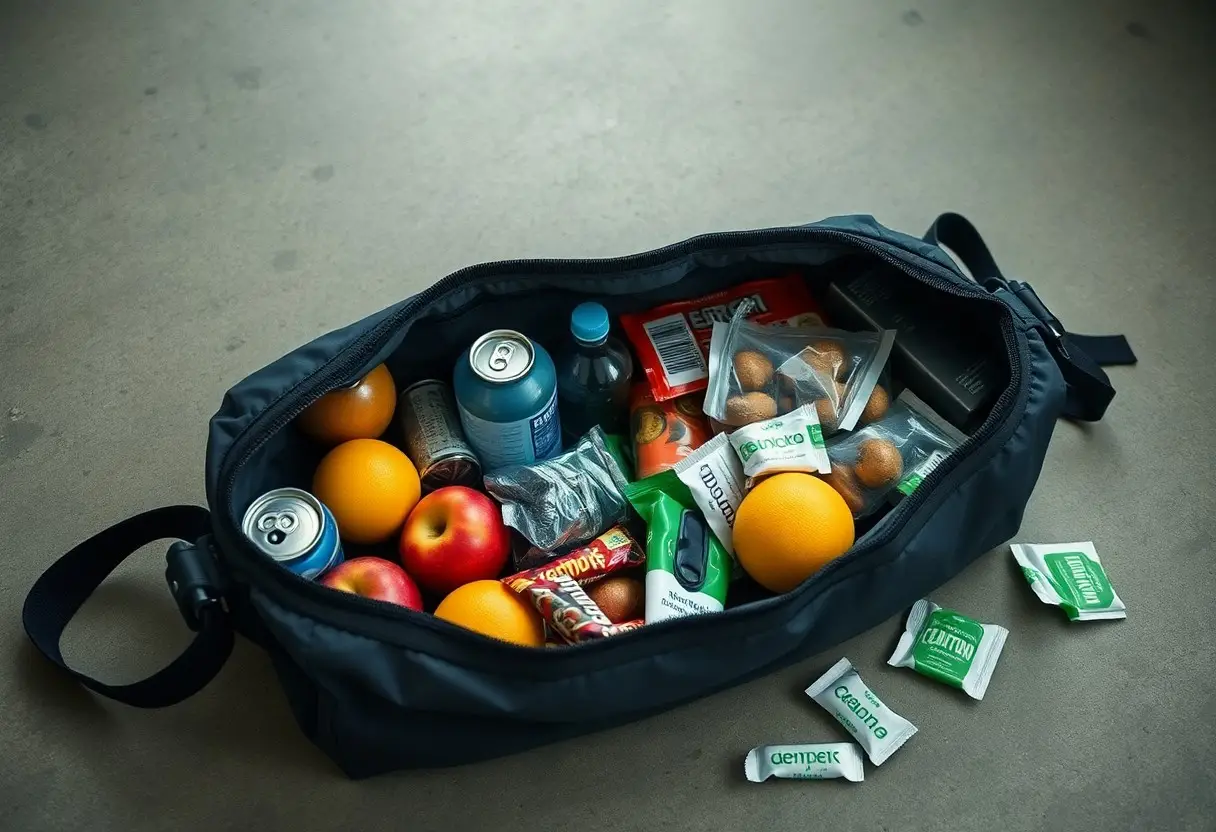
Nutritional and Hydration Oversight
Packing only calorie-dense snacks leaves you sluggish and undermines your endurance during extended evacuations. You should include balanced portions of protein, healthy fats, and complex carbs plus electrolyte options to sustain energy and cognitive clarity when stress raises metabolic demands.
Relying on High-Sodium or Low-Calorie Rations
Overreliance on high-sodium preservation or low-calorie emergency bars can dehydrate you or leave you undernourished when activity increases. You should choose compact, nutrient-dense meals with moderate sodium and higher protein to maintain strength and reduce thirst-driven cravings.
Neglecting Multi-Stage Water Filtration Systems
Skipping layered filtration assumes clear water is safe, which can expose you to microbes, particulates, and chemicals. You should pack a mechanical filter plus a secondary chemical or UV treatment to address varied contaminants and equipment failures.
Consider flow rate, pore size, and filter lifespan so you can estimate how much safe water you’ll reliably produce each day. You should test systems before deployment and carry replacement cartridges or tablets to avoid depending on a single point of failure.
Critical Gaps in Medical and Hygiene Kits
Gaps in your medical and hygiene kit appear when you assume generic items cover every need, so personal prescriptions, allergy treatments, and pediatric supplies often get overlooked.
Check that you rotate perishables, update dressing sizes, and match supplies to local risks so you won’t face preventable shortages during an emergency.
Carrying Incomplete or Generic First Aid Supplies
Missing specialty items like epinephrine, inhalers, or trauma dressings leave you vulnerable when a one-size-fits-all kit fails your specific needs, so include medications and tools tailored to your health profile.
Omitting Sanitation Essentials for Disease Prevention
Sanitation supplies stop disease spread when water and waste systems are compromised, so you should carry soap, surface disinfectant, and a reliable water-treatment method to keep you and your group healthy.
Pack extra waste bags, a small trowel for safe waste burial, and concentrated hand sanitizer to help you sustain hygiene during prolonged outages and reduce infection risk.
Administrative and Financial Negligence
You often overlook updating emergency contacts, insurance details, and access instructions; pack printed copies, a hard-copy list of account numbers, and simple password hints so you can act fast if devices die. Keep originals and duplicates in separate waterproof pouches to reduce single-point failure.
Failing to Secure Physical Copies of Identification
Photocopies of passports, driver’s licenses, and medical cards should live in your go bag and with a trusted contact; store originals separately when possible. Protect copies in sealed, waterproof sleeves and note expiration dates so you avoid trying to use an invalid ID.
Disregarding the Necessity of Small-Bill Cash
Carry a mix of small bills in your go bag for transit fares, parking meters, tips, and vendors during outages; ATMs and card readers may be down. Hide a separate stash from your main wallet so loss or theft doesn’t leave you without any cash.
Break larger notes into many $1, $5, and $10 bills and replenish them periodically; aim for enough to cover food, local transport, and emergency incidentals for at least 24 hours. Store some in a waterproof, concealed compartment to keep access simple when electronic payments fail.
To wrap up
Following this guide, you should pack compact crucials, rotate food and meds, and match supplies to likely local hazards so your bag stays ready. Keep electronics charged and protective gear accessible.
You should test items periodically, update documents, and avoid bulky, duplicate, or expired supplies to keep weight manageable and function reliable.
FAQ
Q: What common overpacking mistakes should I avoid when preparing a go bag?
A: Overpacking reduces mobility and adds strain during an evacuation. Prioritize multi-use items, lightweight clothing, and compact tools to keep weight down. Use a simple inventory checklist and assign a target weight or volume so you only include what fits that limit. Swap single-use items for multipurpose gear, such as a bandana that serves as a tourniquet, filter cloth, or sun protection. Practice carrying your loaded bag for at least 30 minutes to test comfort and adjust contents.
Q: How do expired or non-functional items compromise a go bag, and how can I prevent that?
A: Packing expired food, old batteries, or non-working radios defeats the purpose of a go bag. Set a routine inspection every three to six months to check dates, test electronics, and replace worn items. Keep prescription medications current, store spare glasses, and carry printed copies of medical information and prescriptions. Store spare batteries in original packaging or a protective case and test rechargeable batteries periodically.
Q: What organization mistakes make a go bag ineffective under stress?
A: Storing imperatives at the bottom of the bag prevents quick access during an emergency. Place a grab-and-go pocket near the top for items like a flashlight, phone, ID, cash, and a small first-aid kit. Use clear pouches, labels, and modular organizers so you can find supplies without dumping the bag. Organize by function instead of randomly stuffing items so you can reload or swap contents fast.
Q: How does failing to personalize a go bag create problems for families and individuals?
A: Using a generic checklist ignores personal needs such as prescriptions, mobility aids, or child-specific supplies. Create individual kits for each family member and include comfort items for children and pets. Store duplicate critical items like extra keys, contact lists, and a spare phone charger in separate pockets or with trusted caregivers. Update these personalized kits when family circumstances change or after medical appointments.
Q: What mistakes do people make with water, food, and power planning in a go bag?
A: Assuming you’ll find food, clean water, or charging options later is risky. Pack water for at least 72 hours in the form of bottles and compact purification options like tablets or a small filter. Choose calorie-dense, nonperishable foods that require minimal preparation and include a manual can opener for canned items. Keep a portable battery bank, spare device cables, and a crank or solar charger rated for your devices; store power banks between 20-80% charge to prolong lifespan. Verify that any spare fuels, lighters, or chemical heat sources are allowed in your jurisdiction and stored safely inside protective containers.


