
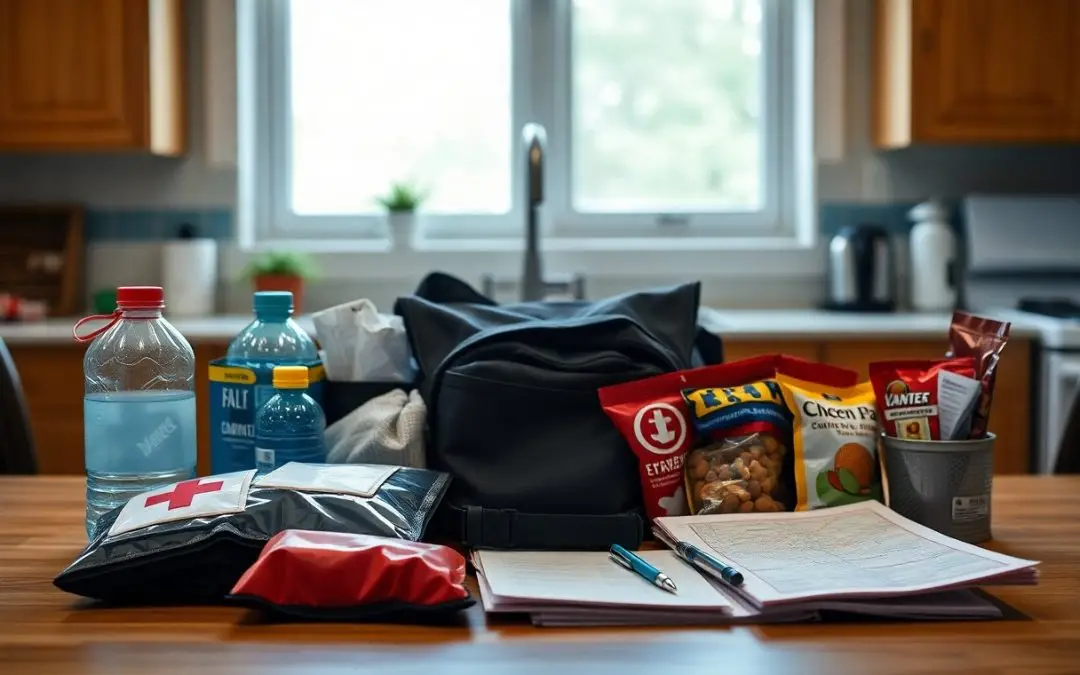
Just being prepared can make all the difference when it comes to evacuations. Packing a well-thought-out go bag ensures that you have what you need in a hurry, allowing you to focus on safety rather than searching for necessary items. In this post, you’ll find practical tips for what to include in your go bag, how to keep it organized, and strategies for quick access. Let’s investigate optimizing your go bag for those unexpected situations, so you can evacuate swiftly and confidently.
Essentials for a Life-Saving Go Bag
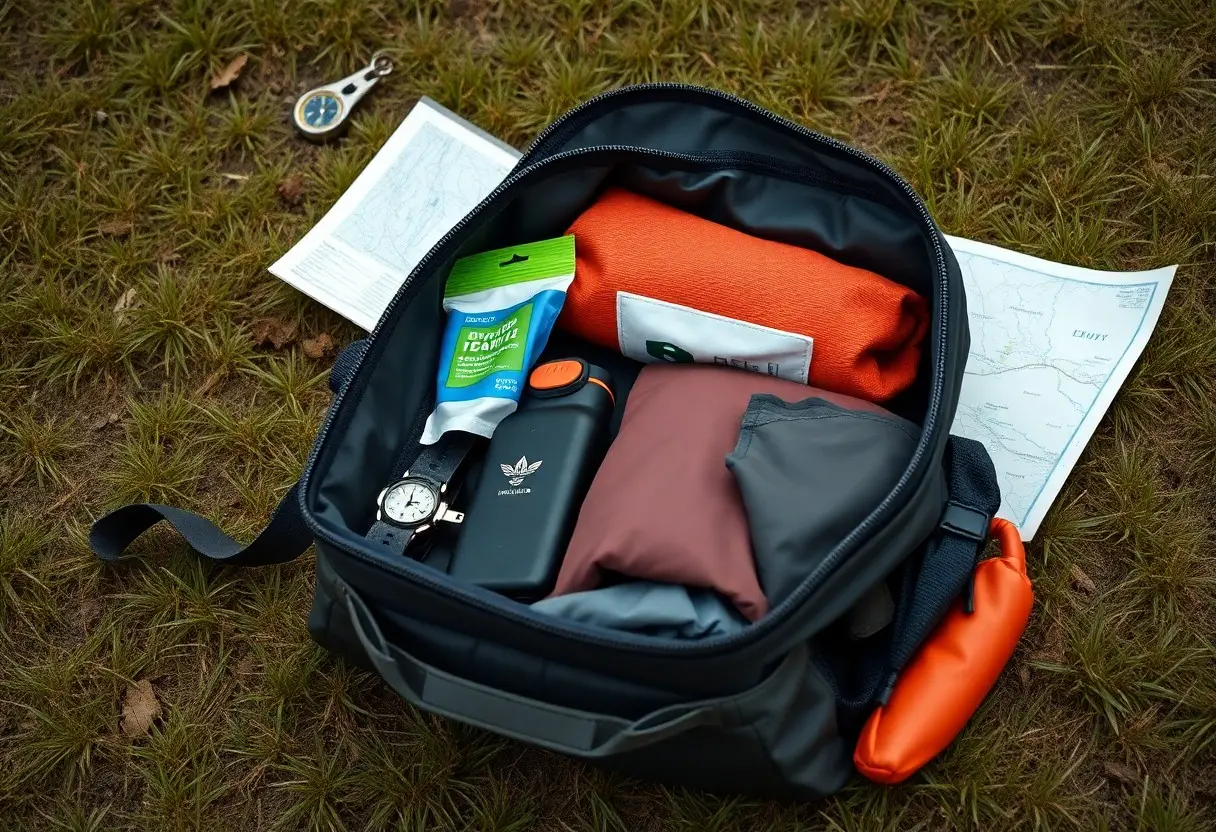
Your go bag should be packed with importants that cater to immediate needs in a crisis. Prioritize items that provide food, water, shelter, and medical care. A quality go bag might include water purification tablets, ready-to-eat meals or MREs (Meals Ready-to-Eat), a first-aid kit, blankets, and a flashlight with extra batteries. Don’t forget about personal identification, a multi-tool, and cash, as these can facilitate your escape and help you navigate unexpected challenges during an evacuation.
Must-Have Items for Immediate Needs
Your go bag should contain several key items to address immediate survival needs. Packing at least a three-day supply of water (one gallon per person per day) is important alongside nutrient-rich food like energy bars or canned goods. Include a compact first-aid kit stocked with bandages, antiseptic wipes, and any important medications. Additionally, a whistle can help signal for help, while a portable battery charger ensures your communication devices remain operational.
Customizing Your Go Bag for Specific Emergencies
This customization not only improves your readiness but can also provide peace of mind. Evaluate local emergency guidelines, and be aware of the specific tools or supplies recommended for various scenarios, such as fishing gear for flooding emergencies or road flares for nighttime evacuation. Regularly updating your kit ensures you stay prepared for whatever situation arrives, enhancing your safety and that of your loved ones. Engaging with local emergency services can offer insights on potential hazards and best practices tailored to your community’s needs.
Streamlining Your Packing Process
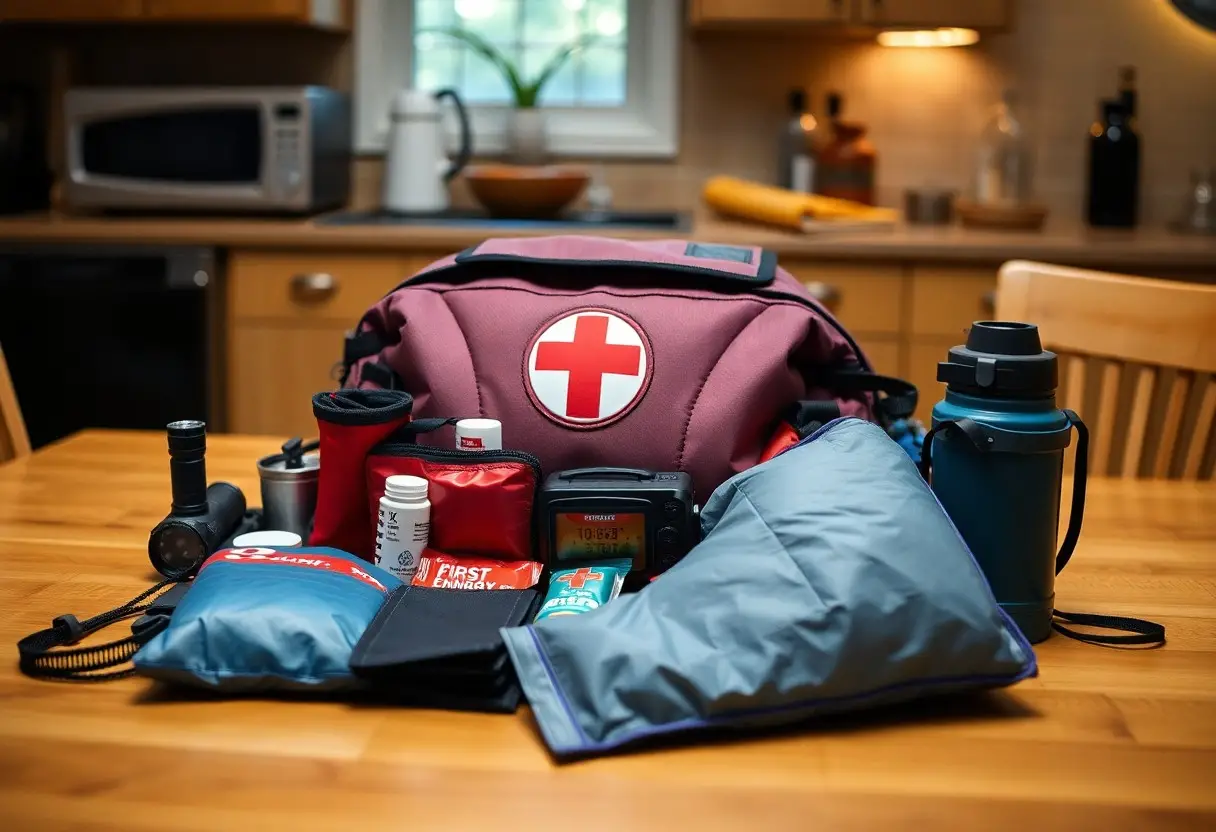
Efficiency is key when preparing your go bag. Creating a streamlined packing process reduces the time and stress associated with evacuating. Begin by organizing your items into categories—first aid supplies, clothing, food, and crucial documents. Keep similar items together to minimize confusion during an emergency. Designate specific compartments in your bag for each category, and ensure everything has a dedicated spot, making it easy for you to grab what you need quickly.
The Art of Pre-Packing: What to Prepare in Advance
Pre-packing involves setting aside and organizing crucial items before an evacuation is imminent. Start by assembling important documents, medications, and other necessities well ahead of time, so they’re always ready to go. Consider packing a couple of days’ worth of clothing and toiletries in advance, and perform regular checks to update any expired items or changes in family needs. This foresight brings peace of mind and enables a quicker reaction when an evacuation is required.
The One-Minute Rule: How to Pack Efficiently
The one-minute rule encourages you to pack items that you can grab within a minute or less. This means that when an evacuation notice occurs, you can swiftly gather your crucial items without wasting time. Prioritize quick-access items like your go bag, a water bottle, and a flashlight, placing them in the same area to facilitate a speedy departure.
By establishing a one-minute packing routine, you enhance your ability to respond under pressure. Start by practicing packing your go bag within this timeframe to identify what truly matters most. Have a list of must-have items nearby, and visualize your process. Over time, this practice will refine your packing skills, ensuring you can evacuate rapidly while maintaining peace of mind during emergencies.
Packing Strategies for Speed and Accessibility
Maximizing your packing efficiency can lead to quicker evacuations. By implementing strategic organization methods, you ensure that the crucial items are easily accessible, which minimizes the chaos during an emergency. Prioritizing what you pack is a vital aspect, as it allows you to grab what you need swiftly without fumbling through your go bag. The right packing strategy not only saves time but also maximizes the effectiveness of your emergency preparedness.
The Layering Technique: Organizing by Priority
Using the layering technique helps you organize your items based on necessity. Place highly important items like medications, documents, and first-aid supplies in the top layers of your bag for immediate access. Layers can also represent various categories, allowing you to quickly locate items for your immediate needs as they arise, keeping the packing process efficient during an evacuation.
Quick-Access Compartments: Ensuring Grab-and-Go Capability
Designate specific compartments within your go bag for quick access items. Utilize outside pockets or easily reachable sections for crucial items like flashlights, maps, and communication devices. This setup enables you to grab crucial supplies without digging through every layer of your go bag, effectively streamlining your ability to evacuate quickly.
| Type of Item | Suggested Location |
| Medications | Top compartment or external pocket |
| Identification Documents | Zippered pouch on the front |
| Flashlight & Batteries | Side pocket |
| Emergency Toolkit | Main compartment, top layer |
Incorporating quick-access compartments drastically enhances your grab-and-go capability. Assign dedicated spots for important items, ensuring that they are visible and reachable. Utilizing external pockets for necessities allows for efficiency during time-sensitive situations. Prioritize comfort in access without sacrificing organization, tailoring the layout to your personal routine so you can swiftly gather crucial items in case of an evacuation. A well-organized go bag can be the key to facing an emergency head-on with calm and confidence.
Learning from Experts: Evacuation Preparedness Insights
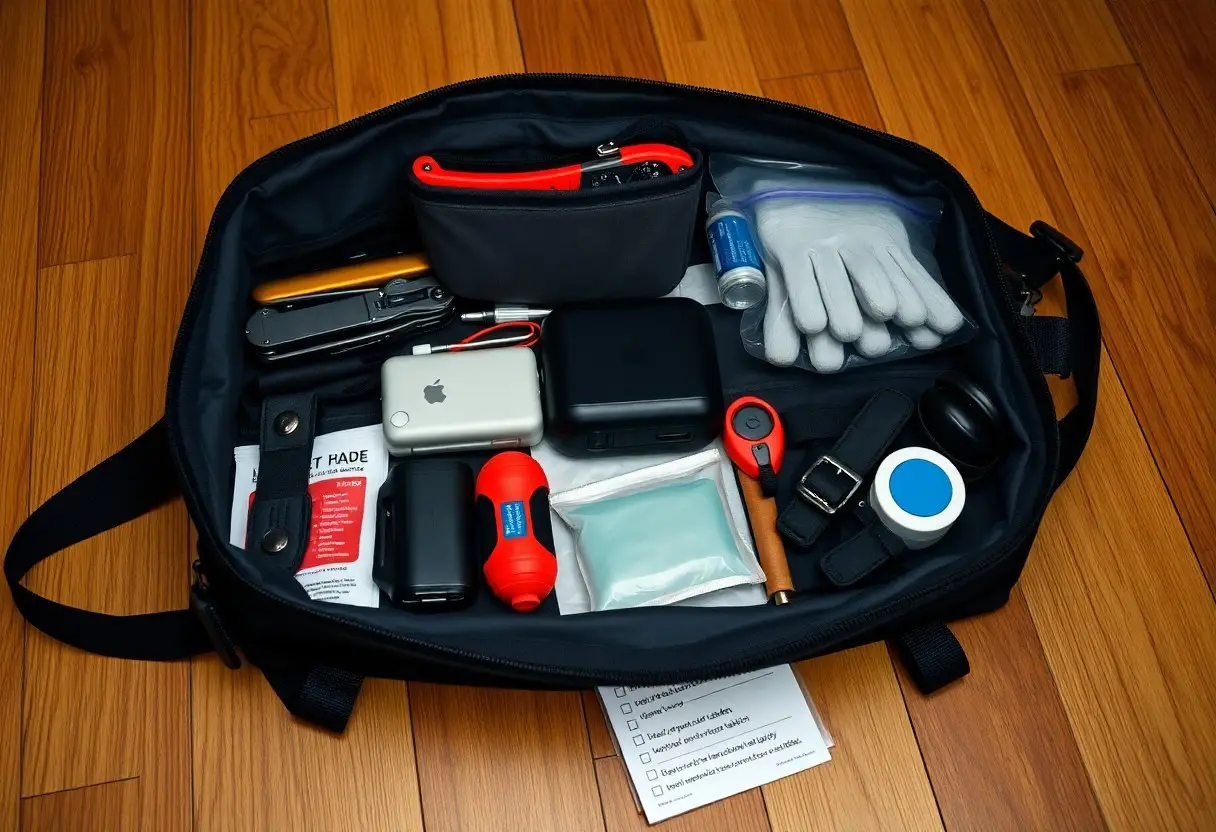
Expert insights reveal the importance of preparedness prior to an evacuation. Emergency management professionals emphasize the necessity of understanding local risks, developing a communication plan, and regularly updating your go bag to incorporate necessary items that fit your household’s needs. By staying informed and connected, you can greatly increase your chances of a smooth and safe evacuation experience.
Insights from Emergency Responders
Emergency responders often highlight the significance of practicing drills and maintaining a checklist of items to take during an evacuation. They recommend that households establish a designated meeting point and ensure every family member knows how to access important documents quickly, which can prevent chaos when time is of the essence.
Case Studies: Successful Evacuation Experiences
Case studies demonstrate that proactive planning can lead to successful evacuations. For instance, during Hurricane Katrina, areas in Louisiana with strong community plans saw a 30% quicker evacuation, while those without experienced significant delays. Similarly, studies from California wildfires show that families who prepared evacuation routes and assembled go bags in advance evacuated 50% more efficiently than those who did not.
- Hurricane Katrina: 30% quicker evacuation in areas with community plans.
- California Wildfires (2018): 50% more efficient evacuations for families prepared with go bags.
- Joplin Tornado (2011): Families with a pre-packaged emergency kit reported averaging 15-minute evacuations.
- Superstorm Sandy (2012): 40% fewer injuries reported in neighborhoods with organized evacuation procedures.
These case studies highlight the tangible benefits of being well-prepared before an evacuation. Data show that communities with established evacuation protocols and families that have practiced their plans encountered less panic and quicker exits during crises. This preparation correlates directly with improved safety outcomes, emphasizing the necessity of comprehensive evacuation strategies and go bag readiness. Making a plan now can yield smoother transitions when disaster strikes.
Maintenance and Rotation: Keeping Your Go Bag Ready
Your go bag won’t be effective unless it’s well-maintained and regularly updated. To ensure your necessarys are always in optimal condition, schedule routine checks to refresh supplies and keep the bag organized. Aim for a thorough inspection every six months or at the change of seasons, allowing you to adapt your items to the current climate and activities, ensuring your go bag is always ready for unexpected situations.
Regular Checks: Timelines and What to Update
Expiration Management: Food, Water, and Medications
All consumables in your go bag have expiration dates that you must monitor. Rotate through food, water, and medications regularly to maintain safety and readiness. Aim to replace canned and packaged food as their expiration approaches, checking for spoilage and damage, since outdated supplies can jeopardize your health during an evacuation.
For food, prioritize items with a longer shelf life, such as freeze-dried meals and high-calorie energy bars. Water should also be rotated at least every six months, as contaminants can lead to degradation over time. Medications demand special attention; maintain an up-to-date list of prescription medications and ensure those are replaced before expiration. Consider keeping a small supply of over-the-counter necessarys as well, like pain relievers and allergy medications, which can also expire. Regular management of these elements enhances your preparedness for any emergency situation.
Summing up
So, when packing your go bag for faster evacuations, prioritize crucials such as water, food, medications, and important documents. Choose versatile items that serve multiple purposes and pack them in easily accessible compartments. Regularly review and update your go bag to ensure everything is current and functional. By planning ahead and organizing efficiently, you can significantly enhance your readiness for any emergency situation, ensuring peace of mind when time is of the essence.


