
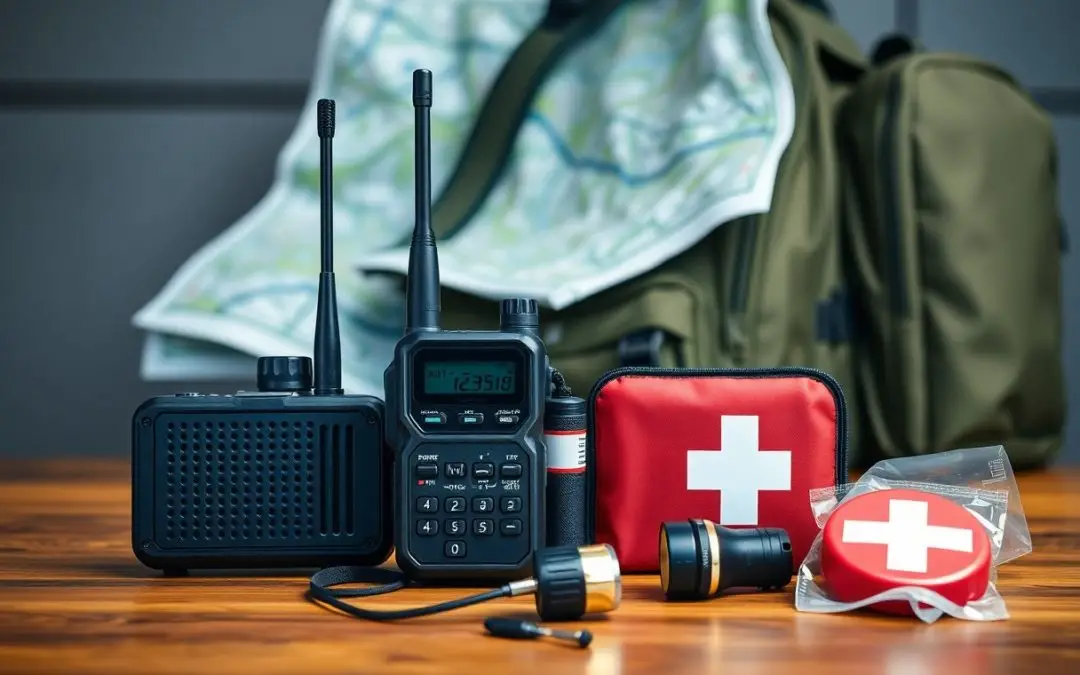
You need reliable communication devices to stay connected during emergencies and blackouts. When traditional methods fail, having the right tools can ensure you maintain contact with family and emergency services. This post highlights necessary devices that maximize your ability to communicate effectively in critical situations, providing peace of mind and safety. Equip yourself with these must-haves to navigate any unexpected circumstances with confidence.
Importance of Communication Devices in Emergencies
Effective communication devices are vital during emergencies and blackouts, as they ensure you remain informed and connected with others. When power outages occur, traditional methods like landlines may fail, making portable devices crucial. These tools allow you to receive real-time updates, coordinate with family and responders, and access critical resources. Having a reliable communication plan, backed by the right devices, can significantly enhance your safety and resilience in times of crisis.
Role of Communication in Crisis Management
Clear communication plays a key role in crisis management, allowing you to disseminate information swiftly and accurately. During an emergency, understanding the situation and responding accordingly can save lives. You can share alerts, updates, and instructions through various channels, ensuring that everyone in your network is on the same page. This coordinated response minimizes confusion and enhances the effectiveness of rescue efforts, making communication devices indispensable in such scenarios.
Benefits of Preparedness for Blackouts
Preparedness for blackouts entails having both a plan and the necessary communication devices, enabling you to act quickly and effectively. By being proactive, you can significantly reduce panic and confusion that often accompanies power outages. A well-equipped approach allows you to funnel information, whether it’s gathering weather updates or coordinating safe meeting points, keeping you and your loved ones informed and secure during dark times.
When you’re prepared for blackouts, you establish a sense of control that can alleviate stress. Having backup communication tools like two-way radios or satellite phones ensures you maintain contact even when conventional networks fail. It enables you to check on friends or family members in your immediate vicinity, helping to foster a community support system. Additionally, being ready reduces dependency on emergency services, allowing you to manage your situation more independently until help arrives.
Types of Essential Communication Devices
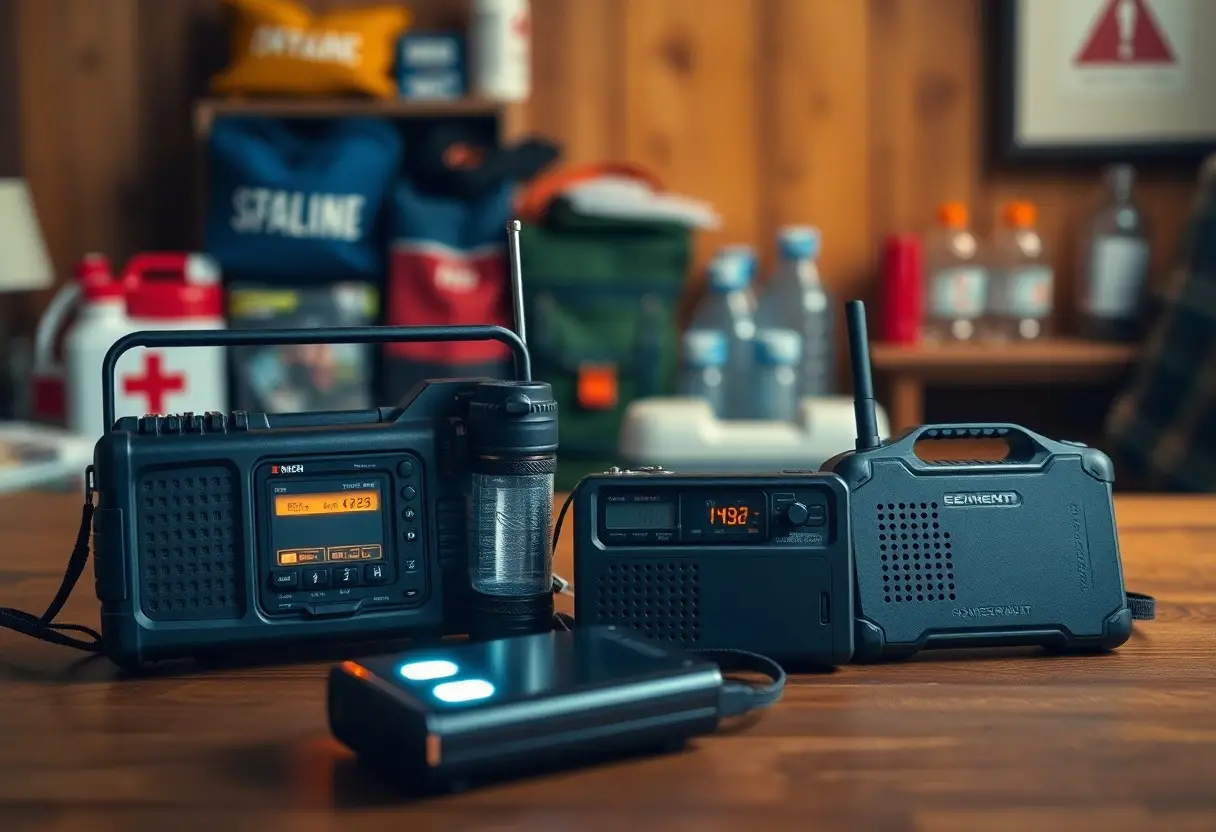
- Handheld Radios
- Satellite Phones
- Emergency Alert Systems
- Signal Mirrors
- Two-Way Messengers
Recognizing the importance of staying connected, various communication devices can enhance your preparedness during emergencies.
| Device Type | Features |
| Handheld Radios | Portable, battery-operated, and enable direct communication. |
| Satellite Phones | Global coverage and works without relying on cell towers. |
| Emergency Alert Systems | Provide real-time alerts for severe weather and emergencies. |
| Signal Mirrors | Reflective signals for visual communication over long distances. |
| Two-Way Messengers | Allow texting and sharing information where other devices fail. |
Handheld Radios
Handheld radios are lightweight, portable devices that can operate on rechargeable or replaceable batteries. They facilitate direct communication without relying on cellular networks, making them necessary in areas prone to blackouts. Depending on the model, you can reach others within a range of several miles. Their simplicity and effectiveness make them popular for emergency situations.
Satellite Phones
Satellite phones offer a reliable means of communication anywhere in the world, particularly in remote areas where traditional cell service may be unavailable. They connect directly to satellites orbiting the Earth, ensuring communication even during severe emergencies like natural disasters.
In emergencies, satellite phones become invaluable, allowing you to stay in contact with family, emergency services, and authorities. Some models can provide internet access for critical updates. Given their ability to function globally, investing in a satellite phone ensures you won’t face isolation during dire situations.
Emergency Alert Systems
Emergency alert systems deliver critical information directly to your devices, including smartphones, radios, or televisions. They provide timely updates on severe weather, missing persons, or other immediate threats, ensuring you can take action promptly.
These systems are often integrated with local authorities, providing real-time alerts and notifications. Registration for local emergency alerts can enhance your preparedness, ensuring you receive tailored information relevant to your area. Staying informed increases your ability to respond effectively during emergencies.
Battery-Powered and Solar-Powered Options
When power outages occur, battery-powered and solar-powered devices become necessary for maintaining communication. Battery-powered options, such as handheld radios, ensure you remain in contact even when the grid fails, while solar-powered devices harness the sun’s energy to keep your equipment charged. These devices offer independence from traditional power sources, allowing you to stay connected and informed during emergencies.
Rechargeable Batteries
Utilizing rechargeable batteries enhances the longevity of your communication devices during blackouts. Instead of relying on disposable batteries, which contribute to waste, you can invest in high-capacity rechargeable options like lithium-ion batteries. These can be easily recharged, ensuring you always have backup power for your necessary devices, and can significantly lower your costs over time.
Solar Chargers and Their Benefits
Solar chargers provide a sustainable way to power your communication devices, utilizing renewable energy from the sun. Compact and portable options are available, which can efficiently charge devices even during prolonged outages. This means that as long as there is sunlight, you can keep your radios, phones, and other vital equipment operational without depleting other resources.
Aside from keeping your devices powered, solar chargers offer peace of mind during extended emergencies. With advancements in solar technology, many chargers are lightweight and can fit into a backpack, making them perfect for on-the-go situations. Some models can even charge multiple devices simultaneously, ensuring you and your family have a reliable communication line. Their versatility makes them not only eco-friendly but also a smart investment for any emergency preparedness kit.
Complementary Tools for Effective Communication
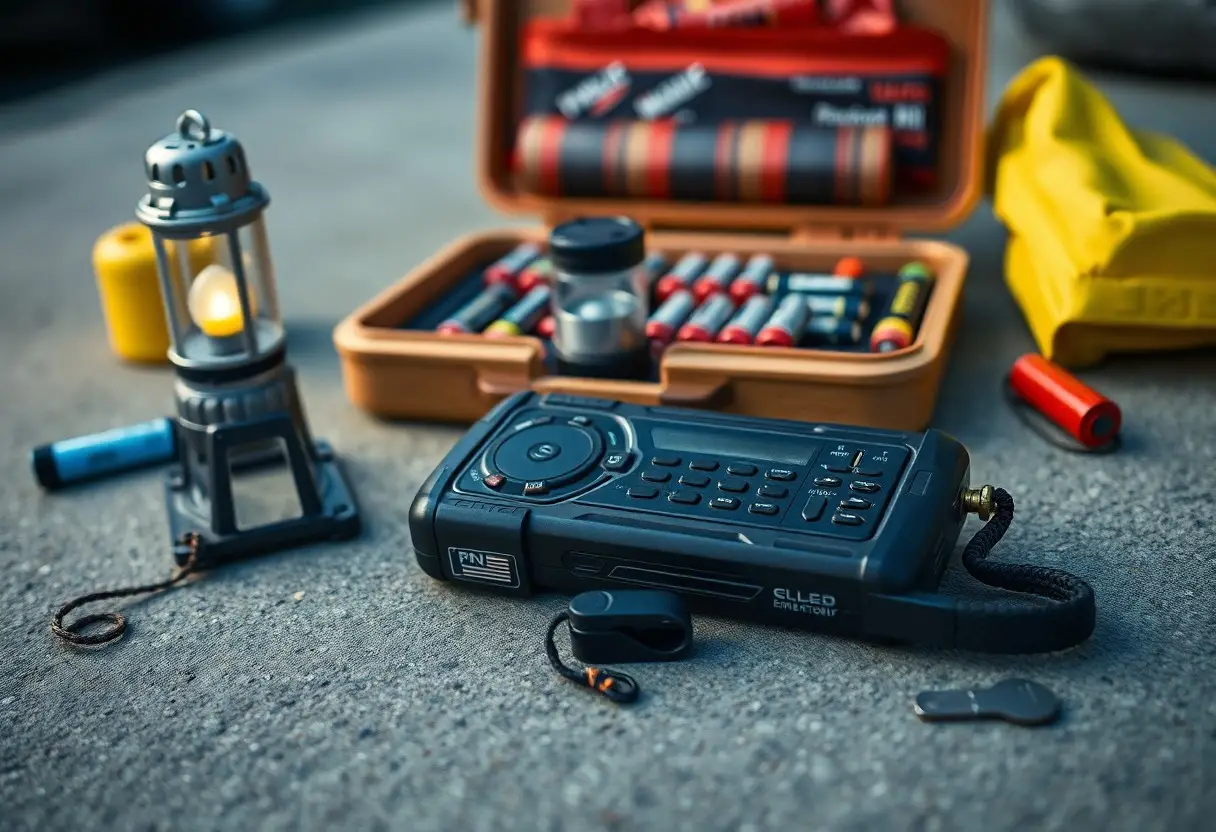
Enhancing your emergency communication strategy involves integrating complementary tools that bolster your connectivity options. These devices not only provide alternatives when primary communication methods fail but also offer unique functionalities that cater to various situations. Utilizing these tools alongside traditional means ensures you maintain contact with others during critical moments.
Personal Locator Beacons (PLBs)
Personal Locator Beacons (PLBs) are compact, battery-operated devices designed to send distress signals to satellites during emergencies. When activated, they transmit your location to search and rescue services, providing a lifeline if you find yourself lost or in danger. With a range of up to 1,200 nautical miles, their reliability can be lifesaving in remote areas.
Flares and Signal Devices
Flares and signal devices serve as visual means to attract attention and indicate distress. These tools come in various types, including handheld flares, aerial flares, and even signal mirrors, each designed to maximize visibility in challenging conditions. They are highly effective in signaling your location to rescuers or passersby, especially during daytime or in poor visibility.
Flares emit bright, vibrant colors, making them visible from considerable distances day or night. Handheld flares have a burn time of around 60 to 120 seconds, while aerial flares can signal from a height of up to 1,000 feet. Both types are lightweight and easily stored, making them practical additions to your emergency kit. Utilizing these devices effectively can significantly increase your chances of being located, especially in remote or wilderness scenarios where communication devices may fail. Ensuring you have a variety of signaling tools at hand helps you remain prepared for unforeseen circumstances.
Maintenance and Testing of Communication Devices
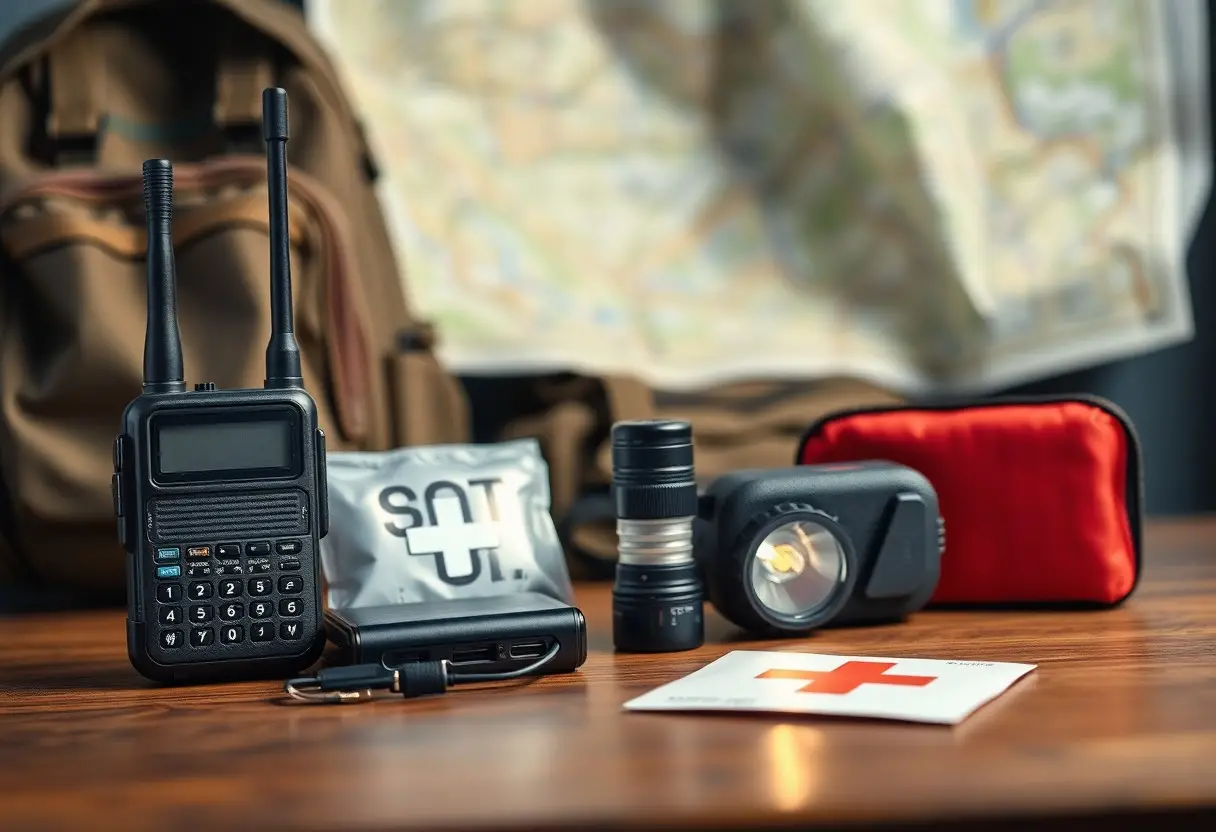
Regular maintenance and testing of your communication devices are vital to ensure they function properly during emergencies. Setting a schedule for routine assessments helps you identify potential issues early, guaranteeing that your devices will be ready when you need them most. This includes checking connections, updating software, and verifying signal strength to ensure reliable communication capability.
Regular Check-ups
Conducting regular check-ups on your communication devices can prevent malfunctions when emergencies arise. Perform assessments monthly, inspecting for physical damage, ensuring connections are secure, and that all functionalities are operating as intended. Testing has shown that devices left unchecked may fail; thus, staying proactive is vital for your preparedness.
Battery Replacement and Updates
Battery replacement and updates are integral in maintaining your devices’ reliability. Many emergency communication tools, such as two-way radios and rechargeable flashlights, require fresh batteries or software updates to operate at optimal efficiency. Inadequate power supply could hinder your ability to connect during critical moments.
Specifically, focus on identifying the battery type required for each device and setting reminders to replace them at least once a year or sooner if usage indicates. Additionally, keep firmware and software updated to mitigate potential vulnerabilities, ensuring your devices are equipped with the latest performance enhancements and security measures. For instance, replacing old batteries every six months for frequent-use devices can significantly enhance their longevity and functionality during emergencies.
Conclusion
Taking this into account, equipping yourself with reliable communication devices during emergencies and blackouts is imperative for your safety and preparedness. Your options should include a portable charger for your devices, a battery-operated or hand-crank radio for updates, and a personal locator beacon to alert others when needed. By having these tools on hand, you can ensure that you stay informed and connected, even in the most challenging situations.


