
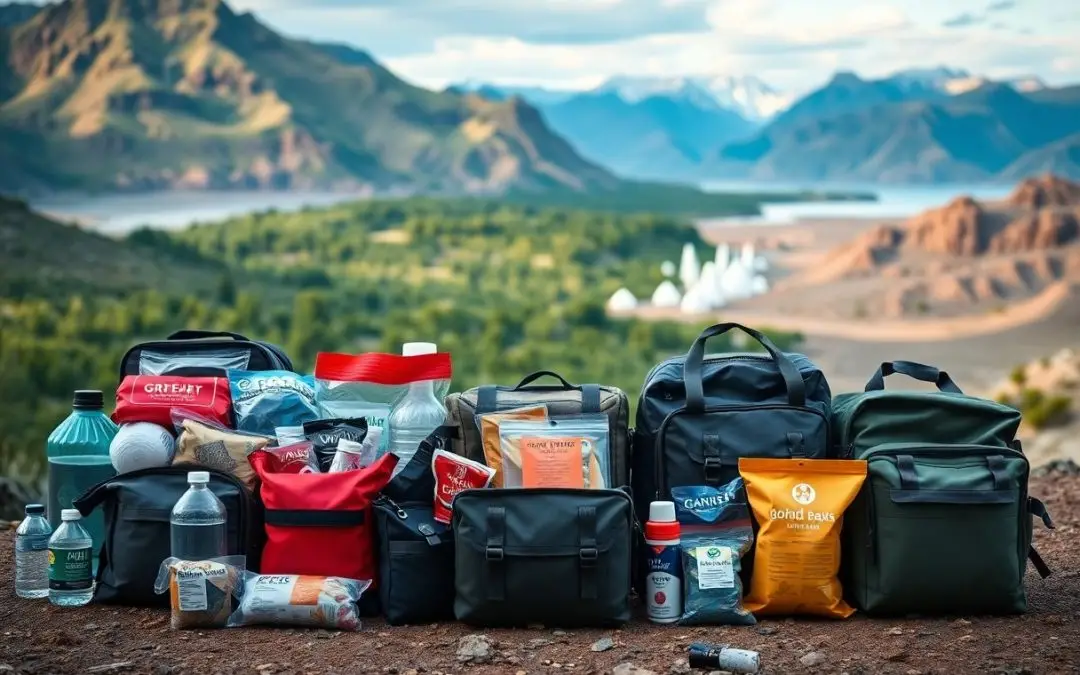
Region plays a significant role in determining the types of natural disasters you might face, whether it’s hurricanes, earthquakes, wildfires, or floods. By tailoring your go bag to your specific geographical area, you can ensure that you are well-prepared for any emergency that may arise. This post will guide you through the importants that should be included in your go bag based on the risks associated with your region, helping you to be proactive and ready when disaster strikes.
Understanding Natural Disasters
For anyone living in areas prone to hazards, understanding natural disasters is necessary to your safety and preparedness. These events can strike unexpectedly and cause widespread damage, affecting homes, communities, and vital infrastructure. Being informed about the types of disasters prevalent in your region can help you create an effective response plan.
Types of Natural Disasters
For your preparedness efforts, it’s important to familiarize yourself with various types of natural disasters:
- Earthquakes
- Floods
- Hurricanes
- Wildfires
- Tornadoes
Knowing the specific risks associated with each type can guide you in tailoring your emergency kit and response strategies.
| Earthquakes | Sudden ground shaking |
| Floods | Excess water overflow |
| Hurricanes | Strong wind and rain storms |
| Wildfires | Uncontrolled fire in vegetation |
| Tornadoes | Violently rotating columns of air |
Regional Vulnerabilities
Understanding your region’s vulnerabilities to natural disasters enables you to prepare effectively. Different areas are susceptible to distinct types of disasters due to geographical, climatic, and infrastructural factors. By knowing your local history with these events, you can create a comprehensive readiness plan that includes specific supplies and actions tailored to your environment.
Disasters vary widely in type and intensity based on where you live. Coastal states may face hurricanes and flooding, while those in the Midwest may be prone to tornadoes. Urban areas might face fire risks and earthquakes, while mountainous regions can experience landslides. Therefore, assessing the historical data and patterns of disasters in your area is necessary for effective preparation and response strategies. You can significantly enhance your safety by aligning your go-bag contents with your region’s specific needs.
The Essential Go Bag Items
One of the most important aspects of disaster preparedness is assembling a well-stocked go bag. This bag should contain crucial items that can sustain you during an emergency and help you stay safe and comfortable. By including the right supplies tailored to your region, you’ll be better prepared for any natural disaster that may arise.
Basic Survival Gear
At a minimum, your go bag should contain basic survival gear, such as a reliable flashlight, first aid kit, multi-tool, and emergency blanket. Adding a supply of non-perishable food and water is equally vital, along with a portable water filtration system. These items will help ensure your well-being during the early stages of a disaster.
Regional-Specific Additions
Above the crucials, it’s wise to tailor your go bag with regional-specific additions to address unique environmental threats. Depending on where you live, this might include items such as a weather radio for storm-prone areas, fire-starting gear for wildfires, or extra warm layers for colder climates.
Plus, consider the specific risks associated with your region. For instance, if you live in a flood-prone area, waterproof gear like a poncho and sealed bags for valuables could be vital. If you reside near the coast, include items like sunscreen and insect repellent. By customizing your go bag based on your local environment, you enhance your readiness for any potential disaster.
Tailoring Your Go Bag by Region
All regions have their unique natural disasters, necessitating a personalized approach to your emergency go bag. By understanding regional risks, you can better equip yourself with the necessities that will ensure your safety and well-being during a crisis.
Coastal Areas
About coastal regions, it’s important to prepare for hurricanes, flooding, and tsunamis. Your go bag should include waterproof items, extra clothing, and necessary supplies like non-perishable food and clean water. A local map marked with evacuation routes is also vital for quick decision-making during emergencies.
Inland Areas
Before venturing into constructing your go bag, consider the risks associated with inland areas, including tornadoes, wildfires, and severe storms. Your bag should feature items tailored to these emergencies, like a first-aid kit, a multi-tool, and an emergency blanket.
Region-specific considerations for inland areas often include unpredictable weather patterns. You should prioritize items that will keep you safe and comfortable. Include sturdy shoes for hikes or escape routes, additional layers for varying temperatures, and a reliable flashlight to guide you through any sudden darkness.
Mountain Regions
About mountain areas, you need to prepare for unique challenges such as landslides, blizzards, and altitude sickness. Your go bag should contain durable footwear, warm clothing, and tools for navigating treacherous terrain, like a compass and a map.
It’s necessary to consider the potential isolation that mountain regions may bring during emergencies. You should be ready with extra food supplies and water purification methods, as access to resources can be limited. A satellite phone or a two-way radio would greatly enhance your ability to communicate with rescue services during such times.
Preparing for Unique Disaster Scenarios
Despite advancements in technology and planning, unique disaster scenarios still pose significant threats in various regions. Understanding the specific challenges of your environment is crucial for creating a responsive and effective go bag. Tailoring your supplies and gear to include items pertinent to your region’s risks can enhance your preparedness and ensure you can respond efficiently when disaster strikes.
Floods and Hurricanes
At the forefront of disaster preparedness in coastal and low-lying areas are floods and hurricanes. You should consider packing waterproof bags for your crucials, non-perishable food, and drinking water, alongside tools like a flashlight and a battery-operated radio. Ensure your go bag is easily accessible and contains important documents stored in waterproof containers.
Earthquakes and Wildfires
Behind the scenes of preparedness for earthquakes and wildfires are specific necessities that may differ from other disasters. You want to include items that can help you quickly evacuate and stay safe in these scenarios.
In fact, both earthquakes and wildfires require unique considerations for your go bag. For earthquakes, you should include sturdy footwear, a whistle for signaling, and a multi-tool to help navigate debris. When preparing for wildfires, focus on including dust masks to protect against smoke, along with an emergency blanket to keep warm. Adapting your go bag to these specific threats ensures you have a solid strategy for staying safe in the face of regional disasters.
Checklist for Your Go Bag
Now that you’ve decided to create a go bag, it’s necessary to compile a comprehensive checklist to ensure you’re well-prepared for any natural disaster. Tailor your go bag to your specific needs and regional challenges, including both general and regional items. This approach will help you stay organized and ready for evacuation or sheltering situations.
General Items
Behind the necessarys of your go bag lies a solid collection of general items that everyone should have, regardless of their location. Include items such as water, non-perishable food, a first aid kit, flashlight, batteries, important documents, and any necessary medications. Also consider tools like a multi-tool or whistle, which can be lifesaving in emergency situations.
Regional Items
To effectively tailor your go bag, focus on regional items specific to the types of natural disasters prevalent in your area. Flood-prone regions may require waterproof gear, while those in earthquake zones should include sturdy shoes and gloves. Research your local risks and adapt your supplies accordingly to enhance your safety during emergencies.
Another important aspect of regional items is understanding the potential impacts of specific disasters. For example, if you live in a wildfire-prone area, consider including face masks to protect against smoke inhalation and reflective blankets to stay warm if you need to evacuate. Each region presents unique challenges, so customizing your go bag accordingly ensures you’re equipped to handle the worst-case scenario.

Maintenance and Updates for Your Go Bag
Your go bag requires consistent maintenance and updates to ensure it meets your needs during a crisis. Regularly check your supplies, replace expired items, and modify contents based on seasonal changes or evolving personal circumstances. By doing so, you ensure your go bag is a reliable resource when you need it most.
Regular Checks
Updates should be conducted at least every six months. Inspect the perishable items, such as food and batteries, and verify that your first aid kit is well-stocked. Additionally, check the overall condition of your bag and its components, ensuring everything is clean and functioning properly.
Seasonal Adjustments
About every season, assess your go bag and make adjustments in response to changing weather conditions. This includes adding warm clothes, extra blankets, and season-specific items like insect repellent or sunscreen, depending on the time of year to support your preparedness efforts.
At the start of each season, review your go bag contents to reflect the risks and requirements associated with that time of year. For example, during winter, include thermal layers and hand warmers, while summer may require cooling items and hydration gear. Adapting your go bag ensures it remains effective against the elements and tailored to your regional needs, enhancing your overall readiness for natural disasters.
Summing up
With this in mind, tailoring your go bag according to your region’s specific natural disaster risks ensures you are well-prepared when emergencies arise. Consider the types of disasters most likely to affect your area—be it hurricanes, wildfires, or earthquakes—and pack vital supplies accordingly. Including practical items such as food, water, first aid kits, and local maps will enhance your readiness. By personalizing your go bag, you empower yourself and your loved ones to respond effectively in challenging situations, ensuring your safety and security when it matters most.


