
Equipped with the right knowledge and tools, you can effectively navigate life’s unexpected emergencies. Whether it’s a natural disaster, medical situation, or a personal crisis, having a solid plan and necessary resources in place can make all the difference. This guide will provide you with practical steps and preparedness strategies to help you face any challenge that may arise in your life, ensuring you are ready when the unexpected occurs.
Essential Supplies for Life’s Curveballs
Being ready for unexpected emergencies means having a well-thought-out supply kit tailored to your needs. Your situation may require different supplies, but certain core items serve as the foundation of any emergency preparedness plan. From natural disasters to medical emergencies, knowing what to include ensures you’re better equipped to face whatever life throws your way.
Core Items Every Emergency Kit Must Include
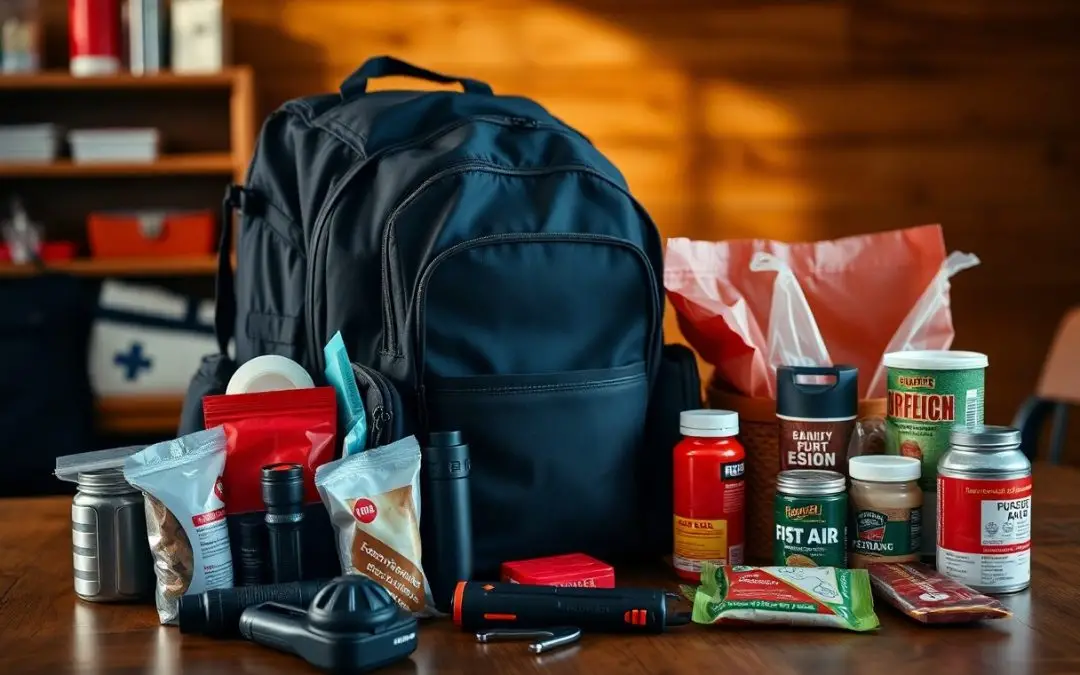
Your emergency kit should contain importants like water, non-perishable food, a first-aid kit, flashlight, batteries, and a multi-tool. Aim for at least one gallon of water per person per day for three days, while food should have a similar shelf-life. Including a portable phone charger and basic hygiene supplies further enhances your kit’s effectiveness, ensuring you can maintain safety and sanitary conditions during emergencies.
Specialty Gear for Specific Situations
Depending on your location and lifestyle, you may need specialty gear to address unique challenges. Items such as a fire extinguisher, weather radio, or even a personal flotation device are examples of equipment that could make a significant difference in specific emergencies. Tailoring your kit to include gear like these not only broadens your preparedness but also increases your confidence in navigating various scenarios.
Consider your environment when adding specialty gear. For instance, if you live in a flood-prone area, waterproof bags and quick-dry clothing can be lifesavers. In regions with extreme temperatures, packing insulated blankets or cooling towels becomes important. Outdoor enthusiasts might include climbing gear or portable cooking equipment. Tailoring your kit not only addresses your immediate risks but also fosters a proactive attitude toward personal safety and well-being.
Situational Awareness: The Key to Preparedness
Situational awareness empowers you to respond effectively to emergencies by observing and understanding your surroundings. Cultivating this skill involves constantly assessing your environment, recognizing potential threats, and anticipating changes that may affect your safety. By integrating situational awareness into your daily routine, you enhance your ability to make informed decisions and take proactive measures during unexpected events.
Reading the Environment: What to Look For
Pay attention to changes in your surroundings that may indicate developing hazards. This includes monitoring the behavior of people around you, noting unusual sounds or smells, and recognizing signs of distress in your environment, such as traffic congestion or emergency vehicles. By staying alert, you can identify risks early and take action to protect yourself and others.
Staying Informed: Tools and Resources for Alerts
Utilize various tools and resources to stay informed about potential emergencies in your area. Mobile apps, weather alerts, and social media can provide real-time updates on threats such as severe weather, public safety warnings, or localized emergencies. Subscribing to local news feeds and emergency management notifications ensures that you receive timely information that can aid in your preparedness efforts.
Emergency alert systems, like FEMA’s Wireless Emergency Alerts (WEA), enable you to receive critical updates directly on your mobile device, ensuring you remain one step ahead. Setting up notifications from trusted sources, such as local government agencies and weather services, allows you to tailor your information feed to your specific location and concerns. By integrating these tools into your routine, you bolster your preparedness and enhance your situational awareness, leading to faster, more effective responses to emergencies.
Mental Resilience: Your Best Defense
Mental resilience serves as a powerful shield against the unpredictable nature of emergencies. Building this resilience allows you to adapt quickly and effectively to stressors, maintaining clarity and composure during crises. It’s not just about enduring tough situations, but also about thriving in them, enabling you to make sound decisions that could significantly impact your safety and well-being.
Psychological Preparedness: Techniques to Stay Calm
Utilizing psychological preparedness techniques can help you maintain calm in chaotic situations. Techniques such as deep breathing, visualization, and mindfulness allow you to ground yourself and manage anxiety. Practicing these methods regularly strengthens your capacity to activate them instinctively when faced with emergencies, ultimately enhancing your response effectiveness.
Training Your Mind: The Power of Role-Playing Scenarios
Engaging in role-playing scenarios can significantly enhance your mental readiness for unexpected situations. By simulating potential emergency events, you can practice your responses and develop problem-solving strategies in a safe environment. This experiential learning fosters familiarity and confidence, reducing panic and improving your overall performance during real-life emergencies.
Role-playing scenarios can take many forms, from family drills for fire emergencies to community exercises for larger-scale disasters. For instance, practicing what to do during an earthquake can include dropping to the ground, taking cover, and holding on until the shaking stops. Studies show that individuals who regularly participate in these drills are 40% more likely to react appropriately during actual emergencies. By immersing yourself in these situations, you train your brain to recognize and navigate stressors efficiently, making you more adept when faced with the unexpected.
Community: Strength in Numbers
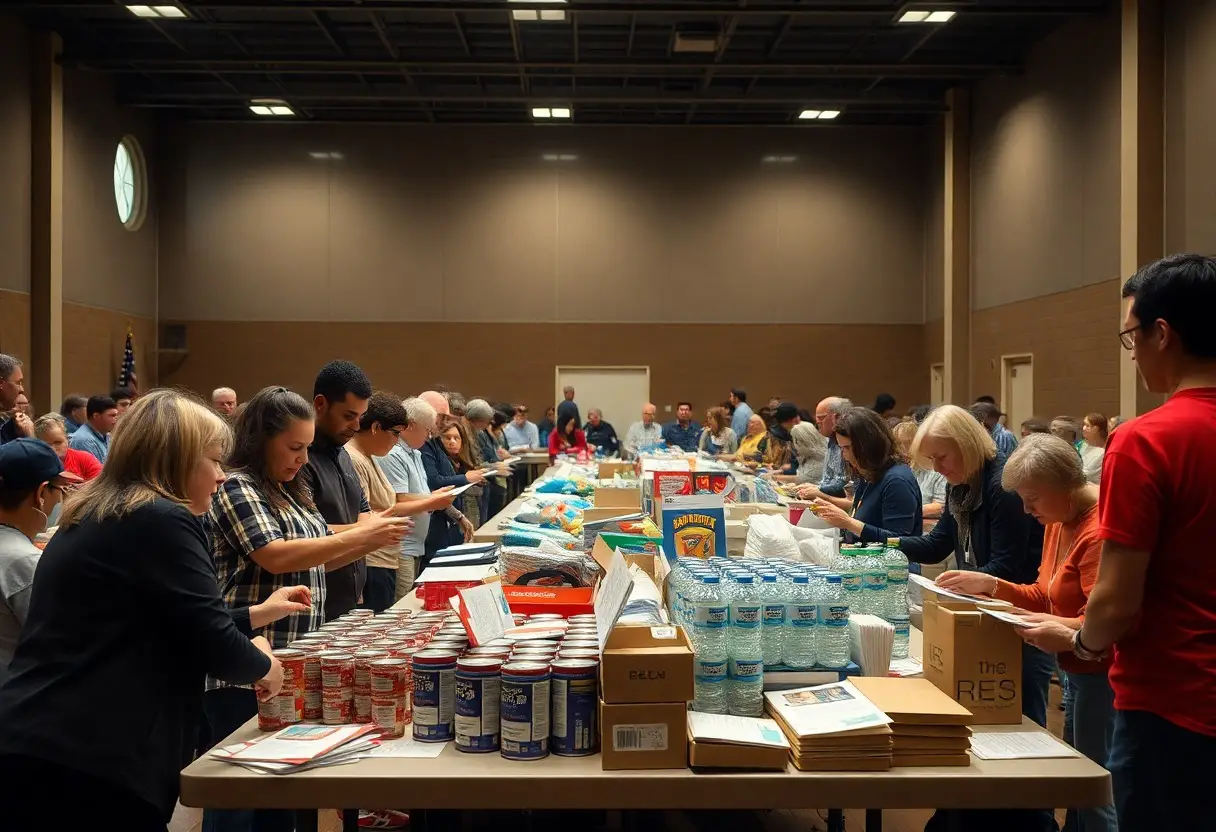
A robust community can provide vital support during emergencies. Building connections with your neighbors and local organizations enhances your preparedness, ensuring that you’re not facing unforeseen challenges alone. These relationships can lead to resource sharing, information exchange, and emotional support that strengthens resilience for all involved.
Building a Support Network: Neighbors as Allies
Your neighbors can become invaluable allies in times of crisis. By fostering relationships with those living nearby, you create a network of trusted individuals who can offer practical help, share resources, and provide information when emergencies arise. Organizing community gatherings or establishing communication groups can ensure everyone is informed and ready to assist one another.
Local Resources: Leveraging Community Services During Crises
Local resources such as emergency services, food banks, and community centers can play a pivotal role in crisis management. Utilizing these services not only aids your own preparedness but also contributes to the wider community’s recovery efforts. Knowledge of local shelters, food distribution points, and mental health support options ensures that you and your neighbors have access to important aid when needed most.
For instance, many cities maintain a list of emergency contacts and resources that can be accessed online or through community boards. Local food banks often offer emergency supplies for families in need, while community centers may host workshops on first aid or emergency preparedness. Engaging with these services can provide not only immediate support during a crisis but also foster a culture of mutual aid and cooperation within your neighborhood, which is important for long-term resilience.

Regular Reviews: Keeping Your Preparedness Current
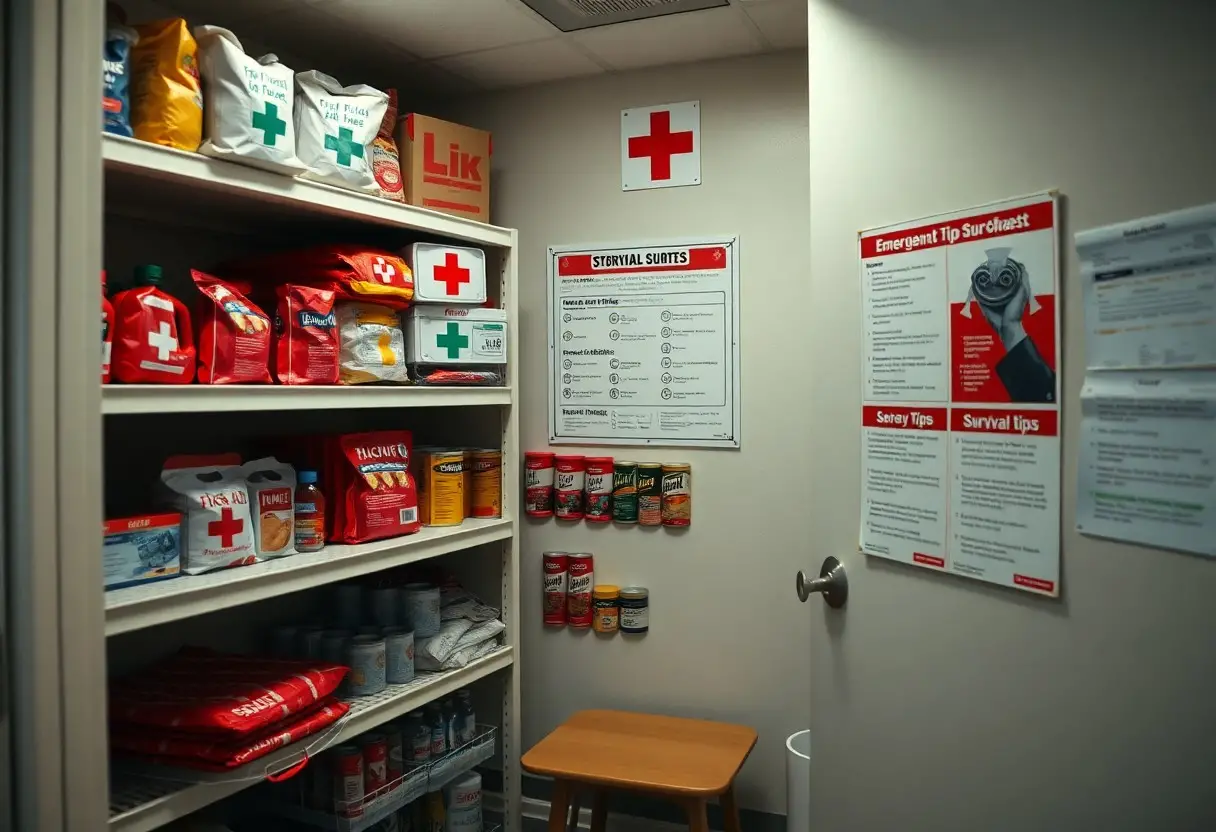
Regular reviews of your emergency preparedness plans ensure that you remain ready for any unexpected situations. Life changes frequently, and revisiting your emergency strategies allows you to integrate new information, adjust to evolving personal circumstances, and maintain up-to-date resources. Establishing a routine for these reviews empowers you to stay proactive, rather than reactive, in the face of emergencies.
Scheduled Inventory Checks: Why Consistency Matters
Conducting scheduled inventory checks of your emergency supplies guarantees that your inventory is complete and functional. Keeping track of imperative items, such as food, water, and medical supplies, allows you to replenish depleted resources and discard expired items. Regularity in these checks builds a habit that minimizes the risk of being unprepared when you need your supplies most.
Adapting to New Threats: Evolving Your Emergency Plan
Your emergency plan must evolve as new threats emerge, ensuring you remain prepared for evolving risks. Changes in climate patterns, local crime rates, or even advancements in technology could affect potential emergencies you may face. You should regularly assess these factors, updating your strategies and materials accordingly to ensure comprehensive preparedness.
For instance, increased flooding risks in certain regions may require you to revise evacuation routes or stock more water-resistant supplies. Keeping abreast of community alerts, trends in natural disasters, and public health advisories helps you understand emerging threats. Engaging with local emergency management resources can provide insights tailored to your location. By prioritizing adaptability, you safeguard your preparedness against unforeseen challenges, enhancing both your safety and your peace of mind.
To wrap up
Considering all points, staying equipped for life’s unexpected emergencies is important for your safety and peace of mind. By investing in a well-prepared emergency kit, familiarizing yourself with safety protocols, and maintaining a proactive mindset, you can navigate unforeseen challenges with confidence. Regularly review and update your resources to ensure they meet your evolving needs. By taking these steps, you empower yourself to respond effectively and protect what matters most when surprises arise.


