
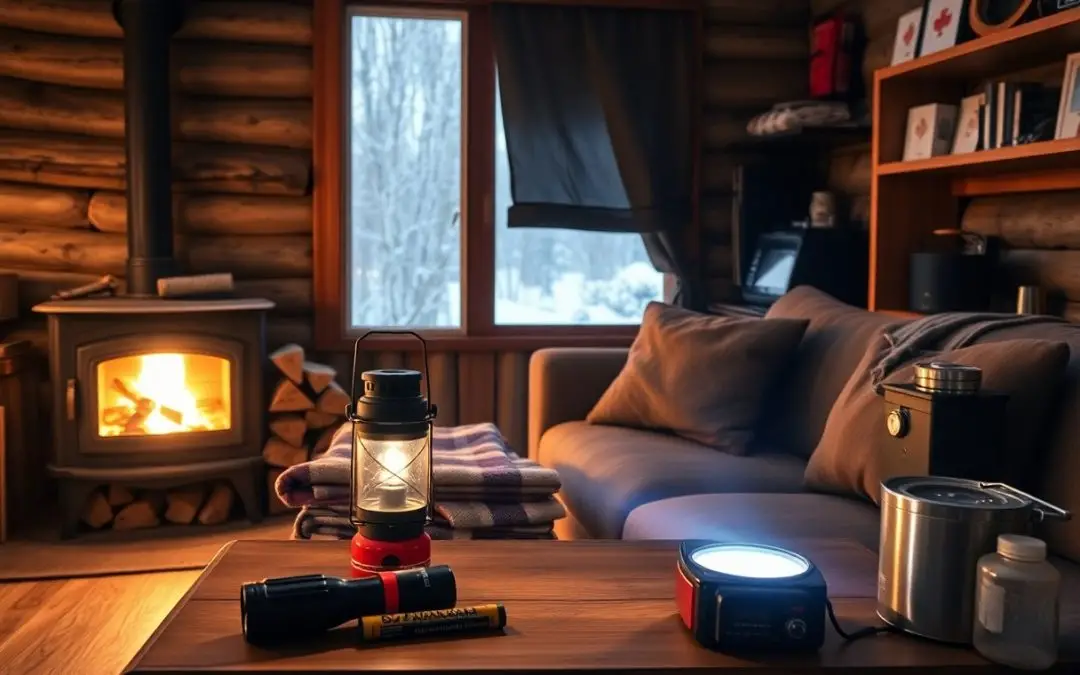
Just because the power is out doesn’t mean you can’t stay warm and protected. You can maintain body heat, conserve energy, and create safe conditions using simple, effective methods. This guide shows you practical steps to stay comfortable and secure during outages, no electricity required.
Assessing Environmental Factors for Survival
Weather patterns, wind exposure, and surrounding terrain directly impact your ability to retain heat during a power outage. Consider these elements when planning your response:
- Monitor outdoor temperatures and forecasted conditions
- Identify wind direction and how it affects your home’s exterior
- Check for nearby sources of moisture like lakes or snow cover
- Assess tree cover or structures that may block or funnel cold air
The right room choice begins with understanding how your environment shapes indoor heat loss.
Evaluating home insulation vulnerabilities
Old windows, uninsulated walls, and gaps around doors let heat escape quickly. Run your hand along frames and baseboards to detect drafts, and check attic and basement areas where insulation often degrades. Poorly insulated spaces make warmth harder to maintain, especially during extended outages. The weakest points in your home’s envelope determine how fast cold air moves in.
Identifying the most efficient room for heat retention
Smaller interior rooms with fewer exterior walls hold heat better than large or corner spaces. Bathrooms and closets near the home’s center often retain warmth longer due to surrounding rooms acting as buffers. Avoid rooms with high ceilings or large windows that accelerate heat loss. The best space combines size, location, and structural protection from outside elements.
Focus on rooms located on the lower level and near the center of your home, as they benefit from residual ground warmth and reduced wind exposure. Kitchens and bathrooms can be ideal due to enclosed layouts and often better insulation from plumbing walls. Prioritize spaces without direct northern exposure, which receives the least sunlight in winter. The fewer surfaces touching the outside, the longer heat stays trapped where you need it.
How to Insulate Your Living Space
Trapping heat inside your home becomes possible even without power when you focus on stopping cold air from entering. You can significantly reduce heat loss by identifying weak points like windows, doors, and walls where drafts sneak in. Small changes make a big difference when maintaining warmth during outages.
Methods for sealing windows and doors against drafts
Weatherstripping or rolled towels along door bases block cold air effectively. Plastic sheeting taped over windows creates a dead air space that slows heat transfer. Even temporary fixes like cardboard or blankets over gaps keep warmth from escaping at night.
Utilizing household items to create thermal barriers
Blankets, rugs, and curtains serve as makeshift insulation when layered over walls or windows. Placing furniture against exterior walls adds another buffer. These materials slow down heat loss by trapping air close to the interior space.
Heavy quilts or moving blankets pinned to walls with tape or clothespins form a surprisingly effective thermal layer. Rugs on bare floors reduce heat absorption, while towels stuffed into keyholes or gaps stop drafts. Even books lined up on a windowsill add mass that absorbs and slowly releases warmth, helping stabilize indoor temperatures overnight.
Tips for Effective Personal Layering
- Start with a moisture-wicking base layer to keep skin dry.
- Add an insulating middle layer like fleece or wool.
- Finish with a windproof and waterproof outer shell.
- Adjust layers to avoid sweating, which cools the body fast.
Perceiving your body’s signals helps maintain steady warmth without overheating or chilling.
Selecting the right fabrics for core heat retention
Wool and synthetic fibers like polyester outperform cotton when staying warm matters. Cotton absorbs moisture and loses insulation when wet, while wool retains warmth even when damp. Choose materials that pull sweat away from your skin and dry quickly. Your core stays warmer when fabric works with your body, not against it.
Protecting extremities to prevent frostbite and heat loss
Hands, feet, and ears lose heat quickly in cold air. Wear insulated gloves, thick socks, and a hat that covers the ears. These areas are sensitive to temperature drops and can trigger overall body cooling. Keeping them covered supports full-body warmth.
Exposed skin on your fingers, toes, or face can begin to freeze in minutes under extreme conditions. Blood flow to these areas reduces in cold, increasing frostbite risk. Wear mittens instead of gloves-they keep fingers together for shared warmth. Waterproof footwear prevents soaked socks, which accelerates heat loss. Never ignore numbness or whitening skin; react immediately by warming the area with body heat.
How to Safely Utilize Alternative Heat Sources
Staying warm without electricity means relying on alternative heat sources, but doing so safely is necessary. You must choose methods that minimize risk while maximizing warmth, especially in enclosed spaces. Proper ventilation, constant supervision, and using only indoor-rated equipment protect you and your household during outages.
Operating portable indoor-safe heaters
You can use portable indoor-safe heaters like catalytic or propane models if they’re certified for indoor use. Always place them on stable, non-flammable surfaces and keep flammable items at least three feet away. Never leave them running while sleeping or unattended, and follow manufacturer instructions closely.
Fire safety protocols for candles and open flames
Candles provide minimal heat but pose serious fire risks if left unwatched. You should never place them near curtains, bedding, or paper. Always set candles in sturdy holders on level surfaces, and extinguish them before leaving the room or falling asleep.
Open flames demand constant attention. You are responsible for ensuring every flame has a clear perimeter free of combustibles. Use candle lanterns or flame-resistant trays to reduce risk. Never use candles as a primary heat source-instead, treat them as emergency light only, and keep a fire extinguisher nearby at all times.
Essential Factors for Nutrition and Hydration
- Consume calorie-dense foods to sustain body heat
- Drink fluids regularly, even without thirst
- Insulate water containers to prevent freezing
- Limit caffeine and alcohol intake
This supports your body’s ability to maintain core temperature and function under cold stress.
Consuming high-energy foods to boost metabolic warmth
You generate internal heat through digestion, especially when eating foods rich in fats, proteins, and complex carbohydrates. Nuts, dried meats, whole grains, and chocolate provide sustained energy that fuels your metabolism. Eating small, frequent meals keeps this process active. This keeps your body producing warmth from within during prolonged cold exposure.
Preventing water freezing and maintaining hydration levels
You must keep water accessible by storing it close to your body or in insulated containers. Use wide-mouth bottles-they freeze from the top down and are easier to access. Rotate water supplies to use the most exposed ones first. This prevents dehydration, which impairs circulation and temperature regulation.
Water can freeze quickly in subzero conditions, especially in metal containers or narrow-necked bottles. Keep your supply inside your jacket or sleeping bag when not in use, and consider adding a pinch of salt to lower the freezing point slightly. Hydration affects blood volume and your ability to retain heat-dehydration makes you feel colder faster. Sipping warm (not hot) liquids from a thermos helps maintain internal temperature. This simple habit supports both physical endurance and mental clarity in cold environments.
Safety Monitoring and Risk Prevention
Staying alert to hidden dangers keeps you protected when the power’s out. You can’t rely on electric alarms or sensors, so routine checks and awareness become your first line of defense. Pay close attention to how your space feels, smells, and sounds-early signs of trouble often announce themselves quietly.
Detecting and preventing carbon monoxide buildup
You must never use generators, grills, or camp stoves indoors. These devices emit carbon monoxide, a gas you can’t see or smell but that can be deadly within minutes. Place battery-powered CO detectors near sleeping areas and check them daily to ensure they’re working.
Managing indoor air quality during long-term outages
Stale air accumulates moisture and pollutants when ventilation is limited. Open windows briefly each day when outdoor conditions allow, even in cold weather, to refresh the air. Avoid burning candles or fuels continuously, as they degrade air quality over time.
Long-term outages challenge your indoor environment in ways short disruptions don’t. As you cook, breathe, and heat your space, humidity and airborne byproducts build up, increasing risks of mold and respiratory irritation. You need a routine-like cracking opposite windows for cross-ventilation or using moisture-absorbing materials-to maintain breathable, healthy air without relying on powered systems.
Summing up
So staying warm and safe without electricity means relying on proper insulation, layering clothing, using safe heat sources like wood stoves, and keeping emergency supplies ready. You conserve body heat with blankets and warm drinks while avoiding risks like carbon monoxide. Your preparedness makes the difference when the power goes out.


