
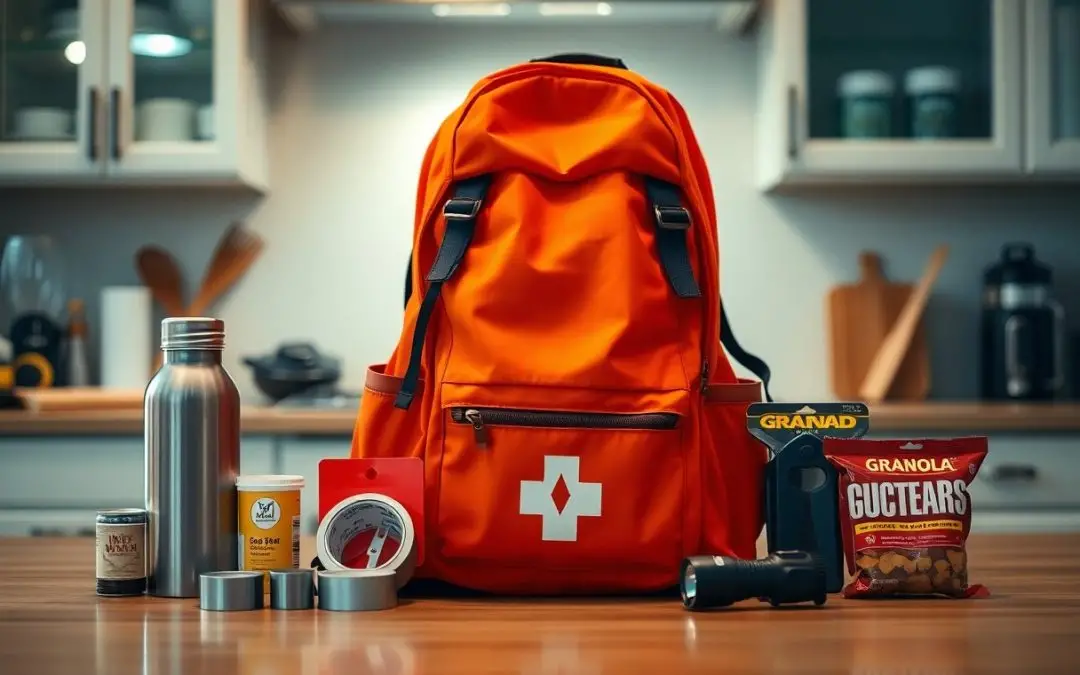
With the ever-present need for preparedness, your kitchen holds more than just food and utensils; it can be a treasure trove of unexpected go bag items. You may not realize that everyday kitchen items can serve vital roles in emergency situations. From using aluminum foil for signaling to employing rubber bands for secure bundling, the potential is expansive. In this post, you’ll discover practical, often overlooked items in your kitchen that can enhance your go bag and ensure you’re ready for the unexpected.
Unconventional Tools for Survival
Equipping your go bag with unexpected but practical items from your kitchen can significantly enhance your survival capabilities. Many kitchen tools serve multiple purposes, making them invaluable during emergencies. Assessing what you already own can save you money and provide handy resources that might not be immediately evident. Look beyond traditional gear and think creatively about how your kitchen can bolster your preparedness plans.
Kitchen Utensils with Dual Functions
Your kitchen may house utensils that double as tools for survival. For instance, a sturdy spatula can double as a makeshift paddle, while a whisk can serve as a versatile tool for various tasks such as mixing, cleaning debris, or even self-defense if necessary. Keep an eye out for gadgets that can be repurposed in creative ways, transforming everyday items into resources during unforeseen situations.
Food Preparers as Emergency Supplies
Food processors and blenders can transform your approach to food storage and meal preparation in emergencies. These appliances not only help combine ingredients for nutrition but can also aid in preserving food by enabling you to create soups or purees that require minimal cooking. In a pinch, a blender’s capabilities extend to creating smoothies with emergency supplies, giving you valuable nutrients quickly and effectively.
In emergency scenarios, food preparers become vital, allowing you to maximize the use of available resources. If you have canned vegetables or dried fruits, blending them into smoothies or purees enhances palatability and digestibility, which is important when resources are limited. These blended concoctions can also help deliver crucial vitamins and minerals, ensuring you maintain energy and health during challenging times. Utilizing kitchen appliances creatively transforms your pantry’s contents into energy-rich sustenance, keeping you fortified when it matters most.
Edible Essentials You Never Considered
Your kitchen is a treasure trove of edible importants that can elevate your go bag’s contents beyond the usual energy bars and canned goods. Think about the versatility of items like honey, a natural sweetener with an incredibly long shelf life, or peanut butter, packed with protein and healthy fats. You can also consider dried fruits, which not only provide a delicious snack but also offer important vitamins and minerals, making them a perfect addition to your survival kit.
Nutritional Value of Common Pantry Items
Diving into your pantry reveals a variety of nutritional powerhouses. For instance, canned beans are excellent sources of protein and fiber while being low in fat. Similarly, quinoa is a complete protein containing all nine important amino acids and is gluten-free. Incorporating these pantry staples not only keeps you sustained but also nourished during challenging times.
Long-lasting Foods for Sustenance
Stocking your go bag with long-lasting foods ensures you have sustenance when fresh options aren’t available. Items like instant oatmeal or rice packs are economical and can easily be prepared with minimal resources. Additionally, powdered milk is a surprising addition that provides calcium and can enhance meals, making it an underrated item for your kit.
Instant oatmeal is particularly appealing; it’s durable with a shelf life of up to 30 years and can be prepared with just hot water. Coupled with dried fruits, it becomes a calorie-dense meal rich in fiber and vitamins. Similarly, a vacuum-sealed pack of rice can provide countless meals when necessary. Striking a balance between nutrition, caloric value, and shelf life in your go bag ensures you’re not just surviving but thriving in any situation.
Creative Uses of Cleaning Supplies
Cleaning supplies often go overlooked in emergency situations, but they can serve unexpected purposes. For instance, bleach can be used for purifying water – just a few drops per gallon will make it safe to drink. Additionally, disinfectant wipes are handy for sanitizing surfaces and preventing infections. You can even repurpose old sponges to act as first-aid compresses when soaked in cold water. Embracing these unconventional uses can enhance your go-bag’s functionality exponentially.
Non-food Items that Boost Survival
Several non-food items from your kitchen can significantly improve your preparedness. Aluminum foil can be shaped into reflective signals for emergency rescue or used to cook food over an open flame. Old towels serve not just for drying hands but also as makeshift bandages or warmth sources during cold nights. Additionally, trash bags are multipurpose; they can serve as ponchos for rain protection or containers for waste disposal, helping keep your area clean and safe.
First Aid Applications of Kitchen Products
Kitchen products also lend surprising support in medical emergencies. For instance, honey acts as a natural antiseptic, helping to soothe wounds and prevent infections due to its antibacterial properties. Sugar can be sprinkled on open cuts to manage bleeding, while common kitchen spices like turmeric can assist in reducing inflammation when applied to bruises. Utilizing these common kitchen items can potentially save valuable time and resources in times of need.
For example, honey not only acts as a natural antibiotic but also aids in wound healing by creating a moist environment, which is crucial for tissue regeneration. Turmeric contains curcumin, known for its anti-inflammatory benefits, making it a great option to calm swelling. Additionally, if you have an aloe vera plant in your kitchen, its gel provides soothing relief for burns or skin irritations. With a bit of creativity, your kitchen becomes a robust first-aid resource during emergencies.
The Power of Packaging
Packaging serves more than just aesthetic purposes—many items in your kitchen can be transformed into necessary survival tools. The right packaging can protect your supplies, keep items organized, and even serve as makeshift tools when needed. Whether it’s repurposing containers to reduce waste or creating a signaling device, skills you employ while preparing happy meals can also enhance your readiness for unexpected situations.
Repurposing Containers for Water and Storage
You can repurpose common kitchen containers to store water or organize necessarys. For instance, clean empty bottles, like those from soda or juice, can be filled with purified water and stored. Tupperware boxes are ideal for storing food items, while larger containers, like old ice cream tubs, can hold both water and other crucial supplies, ensuring you’re always prepared without purchasing new items.
Emergency Signaling and Protection
Packaging materials can play a vital role in signaling for help or protecting yourself. Brightly colored wrappers or containers can catch the attention of rescuers from a distance. Reflective materials, such as the shiny side of a chip bag, can be used to create emergency signals by flashing sunlight. Additionally, sturdy boxes or cartons can provide shelter and wind protection, while plastic wrap can secure vulnerable items from moisture.
Utilize materials you already have at home: aluminum foil can be fashioned into a reflective distress signal, while the crinkling sound made by certain packaging may alert nearby help. Brightly colored items, like cereal boxes or plastic packaging, can serve as markers for safe zones or supply caches, guiding others to your location. Ultimately, incorporating creative means of using packaging for signaling and protection keeps you resourceful, even in a pinch.
Cost-effective Alternatives You Can Rely On
Equipping your go bag doesn’t have to drain your wallet. Many common kitchen items can effectively serve dual purposes in a crisis, ensuring you’re prepared without overspending. Items you already own can be repurposed into important survival tools. From food storage solutions to tools for hygiene and first aid, you can create a comprehensive go bag by utilizing what you have, making your preparation both sensible and budget-friendly.
Budget Finds That Serve Double Duty
Your kitchen is a treasure trove of budget finds that can be invaluable in an emergency. For example, resealable plastic bags aren’t just for leftovers; they can keep important documents safe from water damage. Moreover, simple kitchen utensils, like a sturdy wooden spoon, can be a weapon for self-defense or a tool for fire-starting. Reusable containers can act as makeshift carrying cases for various supplies, helping you minimize clutter while staying organized.
How to Create a Go Bag Without Breaking the Bank
Building your go bag on a budget is entirely feasible with a bit of creativity and resourcefulness. Start by auditing your kitchen for items that can be adapted for survival purposes. Use old towels as bandages or multi-use storage containers as emergency food supplies. Scouring dollar stores or second-hand shops can also yield useful items like flashlights or batteries at a fraction of the cost. Additionally, focus on gathering importants systematically rather than all at once, allowing you to spread out expenses while fully preparing your emergency kit.
Final Words
Presently, you can equip your go bag with valuable items sourced from your kitchen. From durable plastic bags for first-aid supplies to multi-use utensils for meal prep, your kitchen holds hidden gems. Items like hearty canned foods, water purification tablets, or even a portable phone charger can greatly enhance your emergency readiness. By utilizing what you already have at home, you can create a comprehensive go bag that reflects both practicality and resourcefulness. Taking the time to organize these items ensures that you are prepared for the unexpected.


