
There’s a growing need for individuals and families to prepare for emergencies, ensuring that you can respond effectively when disaster strikes. Being equipped with the right tools and knowledge enables you to safeguard your wellbeing and that of your loved ones. This guide will provide you with vital items and strategies that will enhance your disaster readiness and safety, empowering you to face unexpected situations with confidence and assurance.

Essential Supplies for Every Emergency Kit
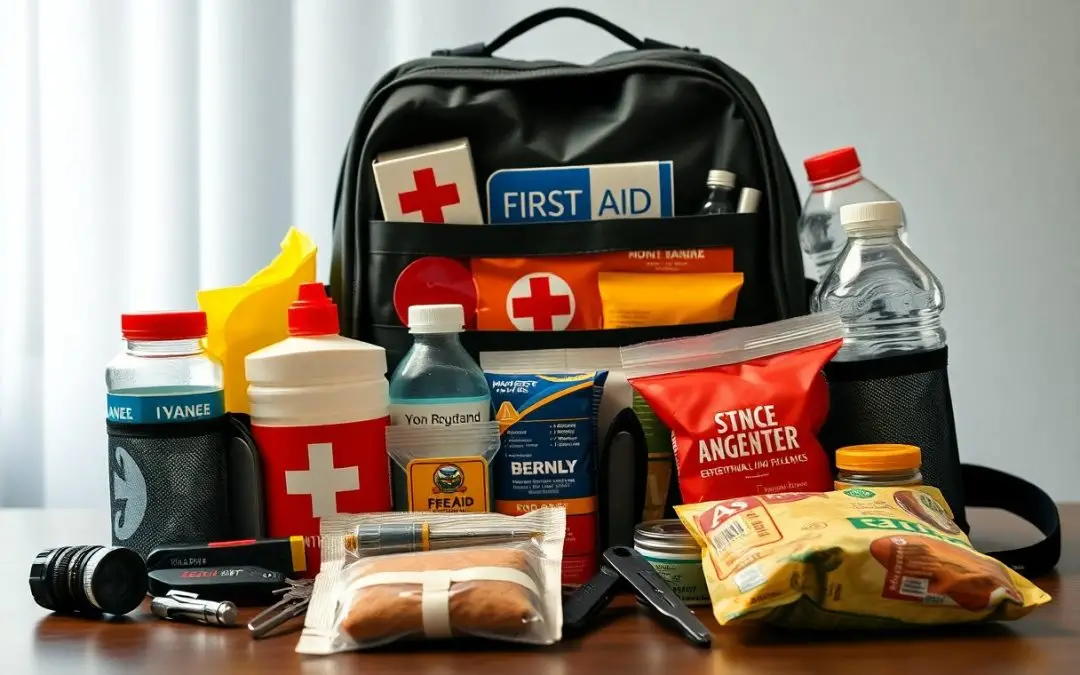
Your emergency kit should be comprehensive, containing supplies that address a range of potential situations. Focus on items with long shelf lives and versatility. Aim to include enough supplies to sustain your household for at least three days. A well-stocked kit not only provides comfort but also increases your resilience in the face of adversity.
Must-Have Items: Food, Water, and Medications
Include non-perishable food items such as granola bars, canned goods, and freeze-dried meals in your kit. Store at least one gallon of water per person per day, enough for hydration and sanitation. Additionally, gather imperative medications prescribed for yourself and your family, ensuring you have a sufficient supply for multiple days, along with a first aid kit to address common injuries.
Tools and Technology: First Aid, Flashlights, and Communication Devices
A well-equipped emergency kit contains critical tools and technology that can aid in both comfort and survival. Invest in a high-quality first aid kit with detailed instructions, ensuring it covers a range of injuries and medical conditions. Reliable flashlights, preferably LED with extra batteries, are vital for visibility during power outages. Communication devices like battery-powered radios or portable chargers for your cell phones ensure you stay informed and connected in emergencies.
First aid kits should include bandages, antiseptics, and any necessary prescription medications. Choose flashlights with a significant battery life, as darkness can hinder your ability to navigate safely. Communication devices like two-way radios can facilitate contact with neighbors or emergency services, especially when mobile networks are down. Ensure that your devices are easy to use, durable, and designed for extreme conditions to enhance your overall preparedness.

Personal Safety Protocols During Disasters
Establishing personal safety protocols is vital for ensuring your well-being in a disaster. These guidelines provide you with a structured approach to minimize risks and make informed decisions swiftly. Tailoring your protocols to specific scenarios, such as natural disasters or man-made emergencies, enhances your readiness and response. You’ll find that preparation not only reassures you but also empowers those around you to act confidently when needed.
Evacuation Plans: Mapping Your Escape Routes
Creating a detailed evacuation plan involves identifying primary and secondary escape routes from your home and local area. Be aware of nearby shelters and transportation options, and ensure the routes are clear and safe for use during an emergency. Familiarizing your family with this plan can expedite the evacuation process and prevent confusion when every second counts.
Shelter in Place: When to Stay and How to Prepare
Knowing when to shelter in place can significantly increase your safety during certain disasters, such as severe storms or hazardous material spills. Preparing your space involves securing food, water, and medical supplies for at least 72 hours, as well as having a means of communication if the outside world is disrupted. Designate a specific area in your home that is safest and stock it with necessary items for comfort and survival.
Preparing to shelter in place requires careful consideration of your environment and potential threats. You should have a well-stocked emergency kit that includes food, water, first-aid supplies, flashlights, and batteries. Identify the safest location in your home, preferably an interior room without windows, and communicate this plan with your family. Stay informed about the situation through a battery-operated radio or smartphone app, as conditions can change rapidly. Preparing for the unexpected not only safeguards you but also instills confidence for those in your care, ensuring everyone knows how to react.”
Community Resources for Effective Response
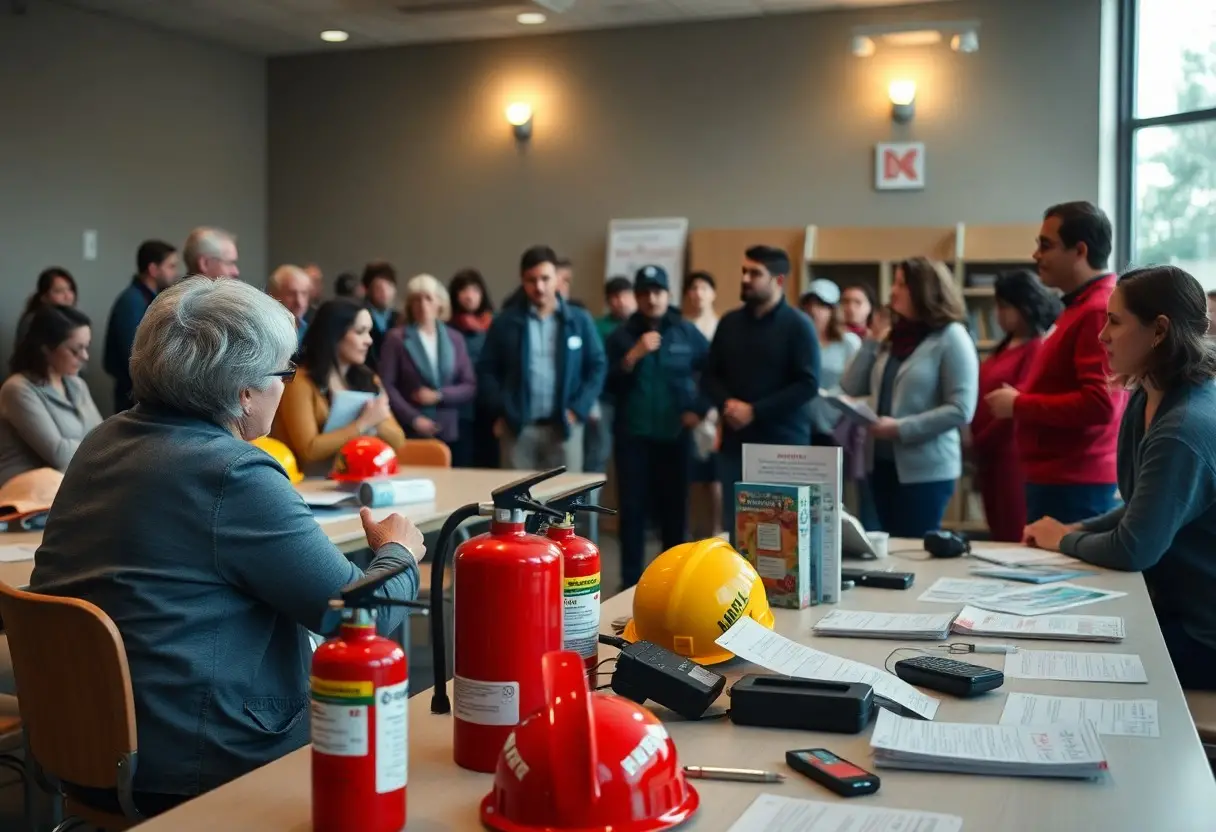
Community resources play a pivotal role in ensuring effective disaster response. By collaborating with various local organizations and services, individuals can enhance their preparedness and resilience in the face of emergencies. Engaging with your community not only strengthens response efforts but also fosters a sense of solidarity during challenging times.
Local Emergency Services: Understanding Their Role
Your local emergency services, including fire departments, police, and medical responders, are the frontline teams during disasters. They are trained to manage crisis situations, provide medical assistance, and execute rescue operations. Knowing how to access and communicate with these services can significantly improve your response during emergencies.
Volunteer Organizations: How You Can Help and Get Help
Volunteer organizations serve as a vital resource in disaster response. You can engage with these groups to either provide support during an emergency or seek assistance when needed. They often coordinate community efforts, distribute supplies, and provide imperative services to affected individuals.
Local volunteer organizations, such as the American Red Cross and Team Rubicon, have established networks that mobilize quickly during disasters. By joining these groups, you can participate in training programs that enhance your skills in emergency response. In return, when disasters strike, they offer you access to resources such as temporary shelter, food, and mental health support. Engaging with these organizations creates a mutually beneficial system, bolstering both community resilience and personal safety during crises.
Psychological Preparedness: Building Resilience in Crisis
Developing psychological preparedness is key to navigating crises effectively. This involves fostering a mindset that embraces flexibility, adaptability, and proactive problem-solving. By enhancing emotional intelligence and self-awareness, you can better manage stress and uncertainty. Resilience not only aids in coping with immediate challenges but also prepares you for future emergencies, ensuring that you remain grounded and focused under pressure.
Coping Strategies: Staying Calm and Focused
Implementing coping strategies helps you remain level-headed during challenging times. Techniques such as deep breathing, mindfulness meditation, and visualization can ground you, promoting mental clarity. Establishing a routine during crises also provides a sense of normalcy, allowing you to process events and make informed decisions. Engaging in physical activity and maintaining a healthy diet further contribute to emotional stability, keeping your mind sharp when it matters most.
Community Support: The Importance of Connection
Community support plays a vital role in enhancing your ability to cope during crises. Connecting with neighbors, friends, or local organizations allows you to share experiences, resources, and emotional support, which can be invaluable in times of distress.
Studies show that communities with strong social networks experience lower levels of stress and higher resilience during disasters. Engaging in community initiatives not only strengthens bonds but also facilitates access to crucial resources. For instance, local support groups can offer information, training, and emotional backing. These connections foster a shared sense of purpose and belonging, amplifying your coping capacity and enabling collective recovery. Building these relationships before an emergency strikes prepares you to face challenges together, making the journey more manageable and less isolating.
Staying Informed: Leveraging Technology
Your ability to stay informed during a disaster significantly enhances your preparedness. Technology offers diverse resources, from real-time alerts to social media updates, ensuring you receive crucial information promptly. Familiarizing yourself with various tools can empower your decision-making process and enhance your safety, making it easier to navigate through emergencies.
Emergency Alerts and Apps: Tools for Real-Time Updates
Social Media: How to Use It Wisely During a Crisis
Social media can be a valuable resource during a crisis, granting access to real-time updates from trusted agencies and fellow community members. However, filtering out misinformation is crucial; follow official accounts and use reputable hashtags for accurate information. Engaging with your local community online can also foster connections that provide support and resources in emergencies.
Using social media wisely during a crisis involves strategically following trusted organizations, such as the National Weather Service and local emergency management officials. Posts from these sources generally contain accurate information regarding weather events and safety recommendations. While sharing your experiences and alerting others is beneficial, be cautious of spreading unverified information that could instill unnecessary panic. Focus on empathy and support while amplifying vital updates that can help your community respond effectively.
To wrap up
So, in order to ensure your safety during emergencies, it is vital that you have trusted necessarys readily available. This includes a well-stocked emergency kit, a reliable communication plan, and knowledge of local resources. By taking proactive steps and preparing in advance, you empower yourself to navigate unexpected situations with confidence. Make disaster readiness a priority in your life, and you’ll be better equipped to protect yourself and your loved ones when it matters most.


