


Essential Go Bag Items:
Light Source: Illuminating the Path to Safety
Multi-Tool: A Versatile Lifesaver
Whistle: Sounding the Call for Help
Local Maps: Navigating +Through Unfamiliar Terrain
These fundamental items form the backbone of an effective go bag, ensuring that you’re equipped with the necessary tools to navigate uncertain terrain and respond effectively to challenging circumstances. One such tool, especially for people with specific health conditions like Chronic Obstructive Pulmonary Disease (COPD), is an oxygen concentrator. This often-overlooked item is a vital product for managing breathing issues during emergencies, and its accessories are just as important.
As we move forward in our preparation for unexpected situations, we’ll now delve into crucial considerations everwhere, even for securing oxygen concentrators, and other necessary items such as food and water supplies. It is important to consider the price and warranty of the oxygen concentrator while purchasing from a credible site.
As we move forward in our preparation for unexpected situations, we’ll now delve into crucial considerations everwhere, even for securing oxygen concentrators, and other necessary items such as food and water supplies. It is important to consider the price and warranty of the oxygen concentrator while purchasing from a credible site.
Food and Water Supplies
These types of food, along with essential medical devices like your oxygen concentrator, last a long time without malfunctioning and can provide the essential nutrients and energy your body requires in stressful conditions. It’s not just about filling up your stomach, nor just about ensuring stable breathing; it’s about providing your body with the fuel and oxygen it needs to stay strong and focused.
Water: A Crucial Element of Survival
One big problem during disasters or emergencies is that clean water might not be readily available. For this reason, having water bottles or alternative methods for purifying water are indispensable. Purification methods like water purification tablets or a portable filter ensure that you can turn questionable water sources into clean, drinkable water.
Imagine finding yourself in a situation where the only available water source seems dirty or contaminated. This is where having a portable filter or purification tablets becomes incredibly valuable. These simple tools, just like your oxygen concentrator, make all the difference, providing you with peace of mind and an actual solution.
In the face of adversity, staying well-oxygenated, well-nourished and hydrated is crucial for maintaining your strength and mindset while dealing with unforeseen challenges. Ensuring you have an adequate supply of oxygen, suitable food and clean water in your go bag is one of the most important steps towards preparation for any emergency.
With a solid foundation of sustenance and breathable air established, let’s now equip ourselves with the necessary tools, equipment, and devices required to bolster our chances of survival.
Necessary Tools, Equipment, and Devices
In addition to the Swiss Army knife, consider including duct tape, and definitely your oxygen concentrator and its accessories, in your go bag. This often overlooked item has an array of uses in emergency situations, from repairing gear and creating shelter to medical purposes like securing bandages.
- Multipurpose Tools for Various Needs
- Communication Devices and Updates
- Bandages and Dressings
- Medications
By including these multipurpose tools and communication devices in your go bag, you’re preparing yourself for any unexpected eventuality, ensuring that you have the means to navigate through challenging circumstances effectively.
As we continue our journey through essential survival gear, the next segment delves into the vital components of a comprehensive first aid kit.
Imagine you’re in an emergency situation, and someone has sustained an injury. Having a complete and well-organized first aid kit can make all the difference. Apart from the usual band-aids and antiseptic wipes, your go bag’s first aid kit should also include the necessary items to maintain oxygen therapy if someone requires it, like an Inogen One.
- First Aid Manual
- Personal Care Items
- Essential Tools
- Specialty Medical Supplies
- Vital First Aid Kit Contents
Your first aid kit should also contain some vital tools like scissors and tweezers. Scissors are necessary for cutting bandages and clothing away from injuries, while tweezers can be used to remove debris from wounds like splinters or small stones.
For cold climates, a base layer that wicks moisture away from the skin is essential to keep you dry and warm. Insulating layers help trap body heat, while an outer layer protects against wind, rain, or snow. Having these three layers ensures that you can adjust to changing temperatures and remain comfortable regardless of weather fluctuations. For example, patients who rely on a cpap machine for breathing should ensure that it is carried safely within this layering system, and maybe even a heated cart if temperatures drop significantly.
Appropriate Clothing and Footwear
Furthermore, being mindful of the materials used in clothing and footwear is important. Moisture-wicking fabrics should be prioritized for clothing to keep you dry during physical activity or inclement weather. Waterproof and breathable materials are advantageous for footwear as they protect against water intrusion while allowing sweat to escape. When considering a cart for an inogen or cpap machine, ensure it is made of durable, weather-resistant materials to protect the equipment.
Recommended Clothing Layers for Cold Weather
| Clothing Layer | Function |
|---|---|
| Base Layer | Wicks moisture away from the skin |
| Insulating Layer | Traps body heat |
| Outer Layer | Provides protection from wind, rain, or snow |
It’s also essential to consider the weight of these items when adding them to your go bag. Lighter options are preferable to minimize fatigue during prolonged use but should still provide adequate protection against the elements. For patients adding medical systems like a cpap machine, this equation might shift slightly but don’t compromise your health needs.
Ideal Footwear for Different Terrains
- Hiking Boots: Ideal for rugged terrain and uneven surfaces.
- Water-Resistant Boots: Essential for wet conditions and standing water.
- Lightweight Trail Shoes: Suitable for moderate trails and urban environments.
By ensuring that your go bag is equipped with appropriate clothing, footwear and necessary medical equipment tailored to environmental conditions, you can maintain comfort, mobility, and protection from the elements in a survival situation.
Recommended Materials for Clothing and Footwear
- Moisture-Wicking Fabrics: Keep you dry during physical activity or inclement weather.
- Waterproof Materials: Protect against water intrusion.
- Breathable and Durable Fabrics: Allow sweat to escape while providing protection.
Ensuring that all essentials, including medical equipment for many patients, are in place, let’s move on to effectively packing and organizing your go bag for quick access in times of need.
Average Weight of Essential Clothing and Footwear Items
- Base Layer: 150-200 grams
- Insulating Layer: 300-500 grams
- Hiking Boots: 1-2 kg
- Trail Shoes: 300-500 grams
Packing and organizing a go bag is an art form—an essential one, at that. There’s a reason we emphasize the importance of a waterproof, durable bag. Your go bag has to be ready to withstand anything, just like you. It’s not about haphazardly throwing items into a bag; it’s about purposefully packing for efficient access during a crisis. For someone relying on a cpap or inogen machine, this includes considering charging capacities, power supply backups and easy access.
Imagine trying to find a flashlight or first aid kit in the dark while under stress. Or trying to locate your cpap machine in a hurry. Not an ideal scenario, right? This is why categorizing and organizing your go bag is crucial. Utilize smaller pouches or containers to group similar items together. You could use separate pouches for your first aid supplies, tools, emergency food, personal hygiene items, and crucial medical machines. By doing so, you ensure that everything is easily accessible when you need it most.
Packing and Organizing the Go Bag
Categorize and Organize
For instance, having a small waterproof pouch for important documents such as identification, insurance policies, contact information, and maps ensures they are all secure and easy to locate.
Waterproof Containers
Water-resistant materials play a substantial role in safeguarding your supplies from environmental elements like rain or moisture, ensuring they remain intact until needed.
Keep in mind that these containers should be transparent or labeled clearly for effortless identification of contents without extensive rummaging through your bag. Consider vacuum-sealed bags or reusable silicone pouches that can effectively keep items dry while taking up minimal space.
Weight Distribution
Remember: The weight of your go bag matters, particularly if you anticipate mobility being a primary concern during an emergency event.
By thoughtfully organizing and packing your go bag with these considerations in mind, you’re not just ensuring convenience during emergencies but also guaranteeing that each item remains intact and easily accessible when needed most.
Maintaining and Updating Your Go Bag
Re-evaluating your needs annually and updating the kit accordingly ensures that it is well-prepared for potential emergencies. This can be an opportunity to source the necessary items conveniently from our website to maintain an updated and fully-equipped go bag.
Ensuring the ongoing readiness of your go bag through maintenance and regular updates is pivotal to being prepared for unexpected situations. By taking proactive steps to keep it up-to-date, you can face emergencies with confidence.
Think of your go bag as a living, breathing entity—a dynamic kit that evolves with your needs and changing circumstances. It’s not a one-time creation; it requires regular attention and maintenance.
It’s comparable to maintaining a car: you wouldn’t expect it to perform well if you never checked the tire pressure or filled up the tank. Similarly, your go bag needs regular care to ensure that everything inside functions as intended when you need it most.
To achieve this, setting an annual reminder to re-evaluate its contents is crucial. Mark a specific date on your calendar and use it as an opportunity to assess any items that may have expired or become damaged over time.
Moreover, consider highlighting any changes in your lifestyle, location, or situation that may influence the contents of your go bag. For instance, if you’ve recently moved to a colder climate, you might need to swap out some clothing items for more appropriate gear in case of exposure to harsh weather conditions.
Consider renewal as a chance to enhance your emergency preparedness plan—source essential items from reliable sources where you can be assured of quality, convenience, and reliability.
Our Blogs
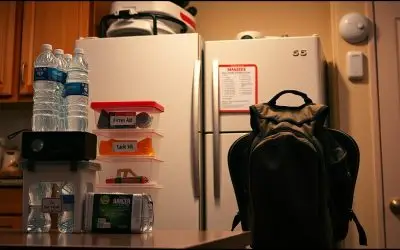
How to Prepare for Emergencies Without Creating Panic at Home
This guide shows you how to build a practical emergency plan your family can follow calmly. You'll learn to gather supplies, communicate clearly, and practice responses without causing fear. With straightforward steps and a steady approach, you keep everyone informed...
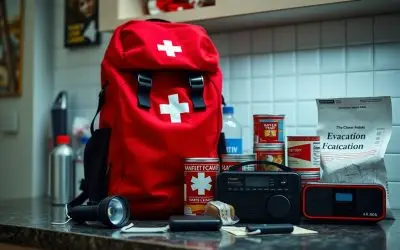
What Makes Emergency Readiness Important for Everyday Life
Most unexpected events happen without warning, and you are often the first to respond when they do. Being prepared means you can act quickly, protect yourself and others, and reduce harm when seconds count. Emergency readiness isn't just for disasters-it's a practical...
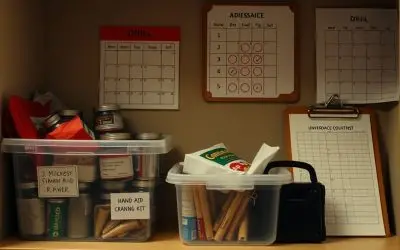
How to Build Better Emergency Habits for Long-Term Preparedness
Most people wait until a crisis hits to prepare, but you can stay ahead by building reliable habits now. You don't need extreme measures-just consistent, practical steps that strengthen resilience over time. This guide shows you how to create routines that last, so...
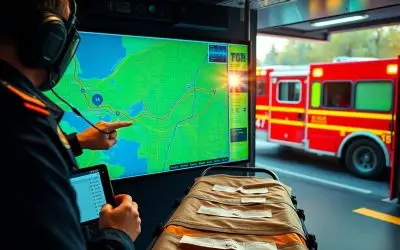
Why Fast Decision-Making Matters During Emergency Situations
Speed in decision-making can mean the difference between life and death when emergencies unfold. You face unpredictable conditions where every second counts. Your ability to assess, choose, and act quickly directly influences outcomes. Delayed responses increase risk,...

Why Communication Planning Is Essential During Emergencies
Communication during emergencies determines how quickly people respond, where resources are sent, and whether lives are saved. You need clear, timely information to act confidently under pressure. A solid communication plan ensures you know who to contact, what to...

How to Stay Calm and Focused During Survival Situations
You can keep your composure even in the most intense survival scenarios. Your ability to think clearly under pressure often determines the outcome. This guide shows you practical steps to manage fear, regulate breathing, and prioritize actions so you stay in control...

How Weather Emergencies Can Disrupt Daily Life Unexpectedly
Many weather emergencies strike without warning, halting commutes, closing schools, and cutting off power. You may find your routine shattered by a storm, flood, or heatwave, even if you're miles from the epicenter. These events test infrastructure, delay services,...
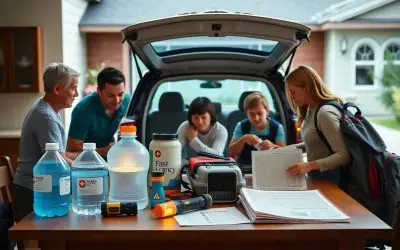
What Families Should Know About Evacuation Readiness
It's important to have a clear plan before disaster strikes. You need to know evacuation routes, emergency supplies, and how to communicate with loved ones when time is short. Being prepared helps protect your family and reduces stress during emergencies. Start taking...

What to Do During the First Few Hours of a Major Power Outage
With the lights gone and silence settling in, you need to act quickly and calmly. Check your circuit breakers first to rule out a localized issue. Use flashlights instead of candles to avoid fire risks. Keep your phone charged and conserve battery. Contact your...


