
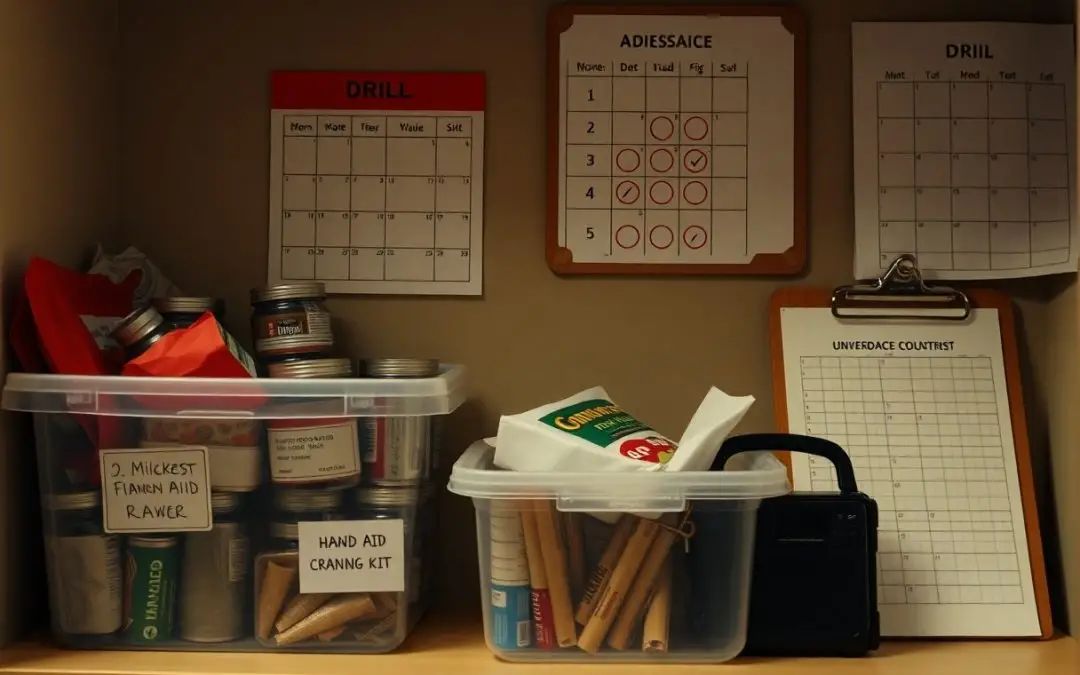
Most people wait until a crisis hits to prepare, but you can stay ahead by building reliable habits now. You don’t need extreme measures-just consistent, practical steps that strengthen resilience over time. This guide shows you how to create routines that last, so you’re ready without panic when emergencies arise.
Identifying Critical Factors for Habitual Readiness
To build lasting emergency habits, focus on what directly influences your response under stress.
- Personal health conditions
- Household composition
- Local disaster risks
- Daily routines and access to supplies
Any effective plan starts by aligning preparedness actions with these realities.
Psychological triggers for consistent preparedness
Seeing a neighbor prepare can prompt your own action. Realizing you felt anxious during a past storm may push you to stock supplies now. Small routines become automatic when tied to personal experiences. Any repetition linked to emotion sticks more firmly over time.
Analyzing environmental factors that dictate kit needs
Where you live shapes what you’ll need in an emergency.
- Coastal areas demand flood-resistant gear
- Earthquake zones require structural safety tools
- Desert climates call for extra water and sun protection
- Urban settings may limit storage and evacuation routes
Knowing your surroundings defines the contents of an effective emergency kit.
Analyzing environmental factors that dictate kit needs
Your region’s weather patterns and geography determine the supplies that matter most. Flooding risks mean waterproof containers and elevated storage are necessary. Wildfire-prone areas require N95 masks and evacuation bags ready by the door. Winter storms call for thermal blankets and alternative heating sources.
- Seasonal hazards influence supply rotation
- Population density affects evacuation speed
- Local infrastructure impacts communication options
- Natural barriers may limit escape routes
Knowing these details ensures your kit matches real-world demands.
How to Audit Your Current Emergency Infrastructure
Start by reviewing what you already have in place-emergency kits, evacuation plans, and safety devices. Identify what’s outdated or missing so you can strengthen weak points before disaster strikes.
Step-by-step how-to for assessing home safety gaps
Follow this simple checklist to uncover vulnerabilities in your home’s emergency readiness.
| Inspect smoke detectors | Test monthly; replace batteries every 6 months |
| Check fire extinguishers | Verify pressure gauge and expiration date annually |
| Review emergency exits | Ensure all routes are unobstructed and clearly marked |
| Assess structural risks | Anchor heavy furniture and secure water heaters |
Evaluating communication factors during network failures
Consider how you’ll stay informed and connected when cell towers and internet go down.
- Keep a battery-powered or hand-crank radio
- Store printed contact lists with emergency numbers
- Designate a family communication hub person
- Practice using two-way radios or signal devices
Any disruption could last days-plan for silence.
When networks fail, your ability to receive alerts or coordinate with loved ones depends on pre-established tools and protocols. Relying solely on smartphones leaves you exposed. A portable radio keeps you informed without Wi-Fi. Written contact trees ensure you don’t waste energy recalling numbers. Practice check-in routines with household members so everyone knows when and how to respond. Any delay in communication can escalate risk-prepare now.
Implementing a How-to Framework for Monthly Drills
You build consistency by turning preparedness into routine. Schedule a fixed day each month to run through emergency scenarios with everyone in your household. Use checklists tailored to different disasters common in your area, and adjust them as your plan evolves. Practice keeps responses sharp when real crises strike.
Establishing a routine for household evacuation exercises
Every family member knows where to go when the alarm sounds. Start by mapping two escape routes from each room and designate a safe outdoor meeting spot. Conduct unannounced drills to simulate real conditions, then review what worked and what slowed you down. Repetition turns confusion into instinct.
Testing utility shut-off procedures effectively
Locating and operating shut-off valves quickly can prevent secondary disasters. Mark gas, water, and electrical controls with bright labels, and ensure everyone knows their location. During monthly drills, time how fast you can safely cut off each utility. Accuracy under pressure matters more than speed.
Shut-off procedures demand precision, not panic. Walk through each step slowly at first-knowing which tool shuts off the gas main or how to isolate a water line without causing damage. Rotate responsibility among household members so more than one person can act. Include photos or diagrams near control points as quick-reference guides, and verify valve accessibility after each test. Real emergencies often happen in poor visibility or stressful conditions, so muscle memory built through deliberate repetition makes all the difference. Keep a log of each test, noting any obstacles or delays, and update your emergency binder accordingly.
Expert Tips for Maintaining Long-Term Supplies
Consistency keeps your emergency supplies ready when needed most.
- Check expiration dates quarterly
- Store items in climate-controlled spaces
- Label everything with purchase and review dates
This builds reliability into your preparedness routine.
Inventory management tips for food and water rotation
Rotate older items to the front and place new ones behind.
- Use a spreadsheet or app to track stock levels
- Group food by category and expiration date
- Consume and replace water every six months
Perceiving patterns in usage helps avoid waste and shortages.
Proactive tips for medical kit replenishment and updates
Review your medical supplies every season to ensure readiness.
- Replace expired medications promptly
- Add items based on seasonal health risks
- Include updated first aid instructions
Perceiving changes in your household’s health needs keeps your kit effective.
Medical needs evolve, and so should your emergency kit.
- Keep a log of used or missing items
- Consult your healthcare provider annually for personalized additions
- Include allergy info and prescription updates
Perceiving subtle shifts in health conditions ensures your kit remains truly prepared.
Strengthening Community Resilience Through Collaboration
Working together with neighbors builds stronger responses when emergencies strike. You develop trust and shared responsibility by planning ahead as a group. Collective action improves access to supplies, skills, and support when systems are strained. The foundation of lasting resilience is cooperation rooted in regular communication and mutual aid.
How-to build a neighborhood resource-sharing network
Start by mapping local skills and available supplies like tools, generators, or medical knowledge. Organize a simple sign-up system where neighbors can offer or request help. Hold quarterly meetups to keep connections active. The
- network thrives when participation is easy and expectations are clear.
Key factors in establishing redundant communication channels
Dependence on cell networks creates risk when disasters hit. You need multiple ways to send messages, such as two-way radios, email trees, or designated meeting points. Test each method regularly. The
- most effective systems combine low-tech and high-tech options,
- include clear roles for message relay,
- and are practiced before emergencies occur.
When setting up communication backups, prioritize simplicity and accessibility. Not every system works in every scenario-power outages disable internet-based tools, while weather can limit radio range. Train at least two people per block in each method to prevent single points of failure. The
- strongest networks are those updated through regular drills and community feedback.
Securing Digital and Financial Assets for Crisis Recovery
Protecting your digital identity and financial access points ensures stability when disruptions occur. You must act now to organize, encrypt, and back up key data so recovery is swift and secure when emergencies strike.
Essential tips for safeguarding vital documentation
Start by digitizing birth certificates, insurance policies, and property deeds. Store them in encrypted cloud storage with strong, unique passwords.
- Keep physical copies in a fireproof, waterproof safe
- Share access details only with trusted family members
- Update documents after major life events
Recognizing risks early helps prevent irreversible losses during recovery.
Factors to consider when building a portable emergency fund
Choose cash forms that are widely accepted and easy to carry. Balance accessibility with security when deciding how much to keep on hand.
- Use small denominations for easier transactions
- Store money in multiple secure locations
- Rotate cash to avoid deterioration
Any disruption could limit ATM or card use, so physical access matters.
Think about where you’d go and what you’d need in the first 72 hours of a crisis. Inflation impacts how far your cash will go, so adjust amounts over time.
- Include foreign currency if traveling is part of your plan
- Pair cash with prepaid cards for flexibility
- Keep funds separate from daily spending accounts
Any delay in access could compromise safety, so readiness is measured in minutes, not days.
Final Words
Drawing together your efforts to prepare means turning small, consistent actions into reliable habits. You build long-term readiness by practicing evacuation plans, updating supply kits every season, and staying informed without waiting for warnings. Your discipline today shapes your resilience tomorrow. Preparedness isn’t a one-time task-it’s a routine you maintain.


