
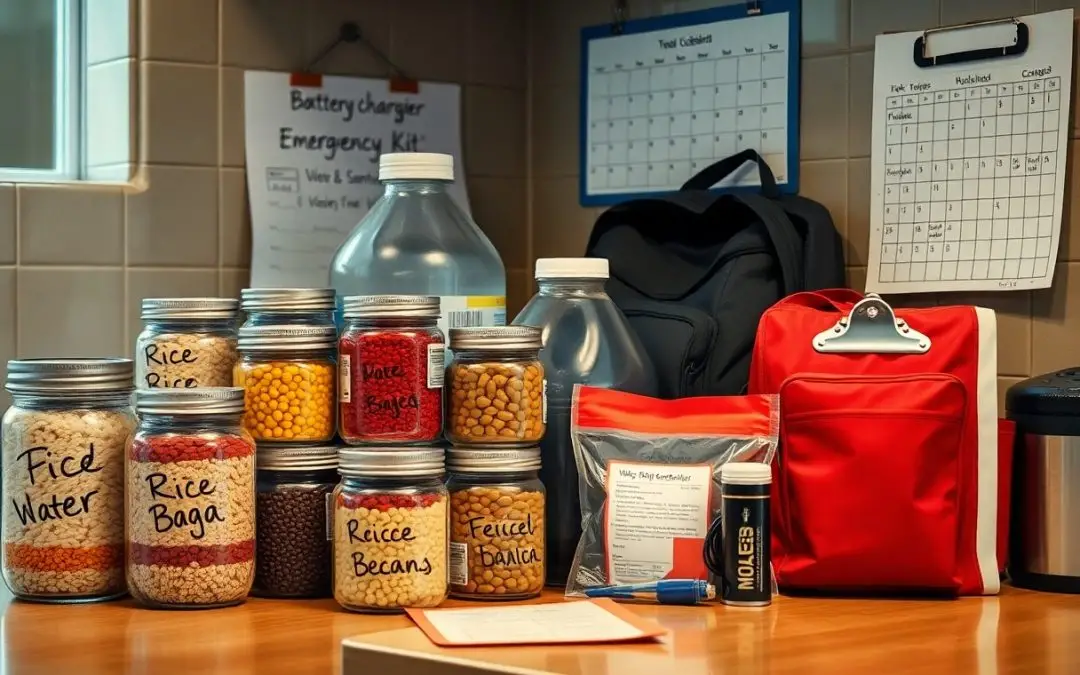
Over time, small daily actions build resilience. You strengthen long-term preparedness by keeping emergency supplies stocked, practicing routine home maintenance, staying informed about local risks, and maintaining physical fitness. Simple steps like rotating food pantries or learning basic first aid add up. You don’t need dramatic changes-consistent, practical habits make the difference when unexpected events occur.
The Morning Audit of the Soul
You begin each day not just with movement or meals, but with stillness. This quiet moment sets the tone, grounding you in awareness before the world demands your attention. By checking in with your mental and emotional state each morning, you build resilience through self-honesty and clarity.
Premeditatio Malorum
Each morning, you imagine what could go wrong-not to dwell in fear, but to prepare calmly. Visualizing setbacks like power outages, injuries, or supply shortages trains your mind to respond, not react. This mental rehearsal builds composure when real challenges arise.
Physical Tempering
You expose your body to discomfort on purpose-cold showers, early runs, skipped snacks. These small trials condition you to endure stress without crumbling. Over time, hardship feels less like a threat and more like a familiar path you’ve walked before.
Building physical resilience isn’t about extreme feats. It’s found in daily choices: walking farther, lifting heavier, sleeping less comfortably. Your body adapts to strain when challenged consistently. This slow accumulation of tolerance means you won’t break when circumstances force you to push beyond your limits.
The Stoic Ledger of Provisions
You track what you consume, not out of fear, but clarity. By recording daily use of food, water, and necessarys, you gain insight into your true needs. This simple practice reveals patterns, reduces waste, and builds a realistic picture of what you’d require in leaner times. Knowledge, not hoarding, is the foundation of readiness.
Elimination of Excess
Clutter clouds judgment and consumes resources. You streamline your pantry, medicine cabinet, and storage spaces by removing expired, unused, or redundant items. This act isn’t about scarcity-it’s about precision. A lean inventory ensures you know exactly what you have, where it is, and how long it will last.
Incremental Stockpiling
You add one extra item to your grocery cart each week-a can of beans, a bar of soap, a roll of toilet paper. These small additions go unnoticed in your budget but accumulate meaningfully over time. Slow accumulation avoids strain and builds resilience without disruption.
Over months, those single extras become a functional reserve. You’re not preparing for a single crisis but cultivating steady resilience. This method fits into any income level, requires no dramatic lifestyle shifts, and turns routine shopping into an act of quiet foresight. Consistency, not quantity, defines its success.
Mastery of Essential Crafts
Building practical skills strengthens your ability to handle unexpected challenges. When modern systems fail, knowing how to fix, create, or adapt gives you a real advantage. These abilities grow more valuable over time, especially when resources are limited or help is far away.
Manual Labor Proficiency
Working with your hands builds endurance and self-reliance. Whether chopping wood, repairing tools, or building shelter, physical competence reduces dependence on outside help. Regular practice makes these tasks easier and safer when they’re truly needed.
First Aid Competency
Knowing how to respond to injuries can make the difference between recovery and disaster. Simple actions like cleaning wounds, applying pressure, or stabilizing a broken limb protect health when medical care isn’t available.
You don’t need to be a doctor to save a life. Learning CPR, treating burns, managing shock, and recognizing signs of serious conditions are skills anyone can master. Keep a well-stocked first aid kit and review procedures every few months so your response becomes second nature when seconds count.
Strengthening the Social Fabric
Strong relationships form the backbone of resilience when crises arise. You already rely on others more than you realize-your neighbors, friends, and local networks can become lifelines. Building trust now, through simple, consistent interactions, ensures you’re not facing challenges alone when it matters most.
Cultivating Deep Alliances
Real support emerges from relationships built on mutual care and reliability. You deepen these bonds by showing up consistently-checking in, offering help without being asked, and being honest about your own needs. These small acts create a quiet but powerful network ready to respond when times get tough.
Communal Skill Sharing
Someone in your circle knows how to fix a generator, purify water, or grow food. You benefit by organizing informal skill swaps-teach what you know and learn what you don’t. These exchanges build collective confidence and ensure imperative knowledge isn’t lost when it’s needed most.
When you host a monthly “skill night” in your community space, practical knowledge spreads fast. One person demonstrates basic first aid, another shows how to preserve garden harvests. These gatherings don’t require experts-just willingness. Over time, your neighborhood becomes a living network of know-how, reducing dependence on outside help during disruptions.
The Daily Mental Fortress
Building mental resilience starts with small, consistent choices each day. You strengthen your ability to stay calm and focused when challenges arise by practicing mindfulness, maintaining routines, and setting clear priorities. This daily discipline forms an invisible shield, preparing you to respond rather than react when pressure mounts.
Information Filtering
Every day, you’re bombarded with data-much of it unnecessary or misleading. You protect your focus by consciously choosing which sources to trust and when to disengage. Filtering out noise sharpens your awareness and ensures you act on reliable input when it matters most.
Decision Making Under Stress
Stress narrows your thinking, but practiced routines widen it again. You train your mind to follow simple protocols under pressure, reducing hesitation when seconds count. These mental scripts, built in calm moments, become your guide in chaos.
When adrenaline rises, your brain defaults to what it knows best-habits formed in advance. You don’t need perfect decisions in crisis, just reliable ones. By rehearsing responses to likely scenarios during quiet times, you condition yourself to act with clarity, not panic. This mental rehearsal, done regularly, turns uncertainty into manageable steps.
Summing up
With this in mind, you build long-term preparedness through consistent, simple actions. You stock a little extra food each week, keep crucial supplies at hand, practice emergency plans with household members, and stay informed about local risks. These everyday habits, repeated over time, quietly strengthen your ability to handle disruptions without reliance on last-minute efforts or outside help.


