
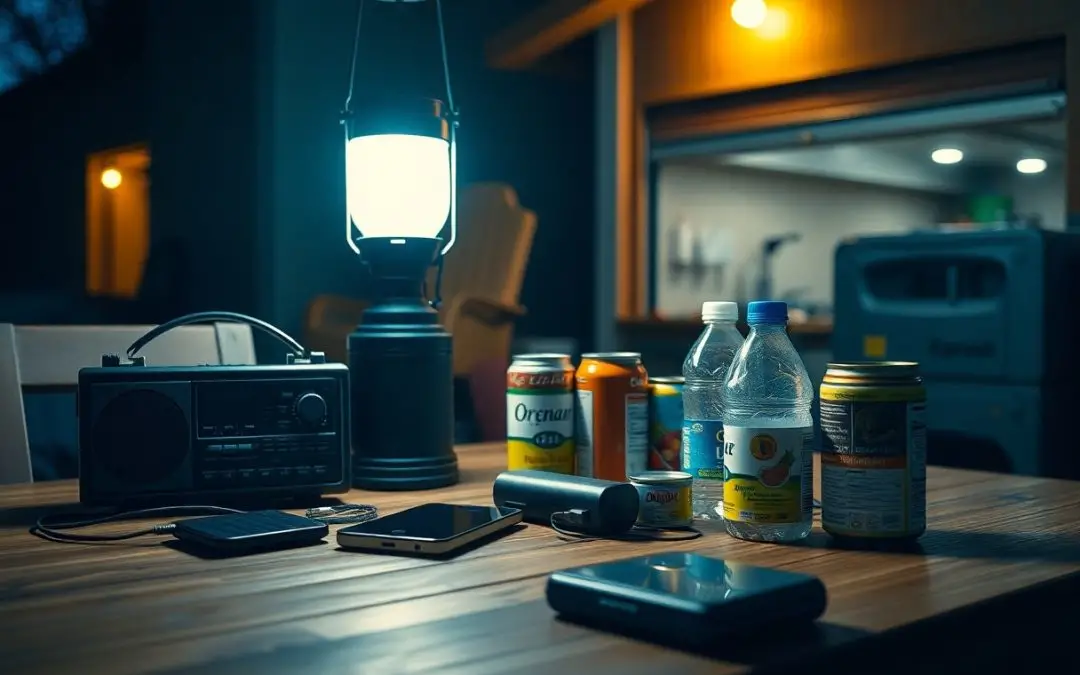
Survival during extended utility outages begins with smart preparation. You need reliable power sources, clean water, and a plan to stay warm or cool. Stock imperative supplies now so you’re never caught off guard. This guide shows you exactly what to do-before the lights go out.
Assessing Critical Needs and Risk Factors
Every household faces different challenges during extended outages. Consider medical equipment needs, refrigerated medications, and the presence of infants, elderly, or disabled individuals. Access to clean water, heating, and communication methods also plays a role. Any overlooked factor can quickly become a serious issue when utilities are down.
Identifying geographic factors that influence outage duration
- Areas prone to severe storms often experience longer power disruptions
- Rural locations may have slower utility response times
- Coastal regions face higher risks from hurricanes and flooding
- Mountainous terrain can delay repair crews and supply delivery
This information helps you anticipate how long an outage might last and what external risks could extend it.
Evaluating household-specific resource requirements
- Count how many people rely on electric medical devices
- Estimate daily water and food needs per person
- Track which appliances are vital for safety and comfort
- Plan for fuel needs if using generators or stoves
Understanding your unique demands ensures you don’t run short when help isn’t coming soon.
Each home operates differently, and your energy and supply needs depend on more than just headcount. A family with a newborn requires formula storage and sterilization methods, while someone managing diabetes needs reliable refrigeration for insulin. Pets, home-based work, and even dietary restrictions shape what resources matter most. Plan with real daily routines in mind, not just averages. This clarity turns general advice into a practical, personalized strategy.
How to Secure a Sustainable Water and Food Supply
Planning ahead ensures you won’t face shortages when utilities fail. You need reliable access to clean water and non-perishable food that lasts through prolonged disruptions. Stockpiling alone isn’t enough-smart storage and rotation practices keep supplies safe and usable over time.
Tips for long-term potable water storage and purification
Storing water properly prevents contamination and extends usability.
- Use food-grade containers and replace them every 5 years
- Keep water in a cool, dark place away from chemicals
- Treat stored water with chlorine dioxide or iodine if unsure of purity
Recognizing early signs of spoilage helps avoid illness during extended outages.
Managing inventory for extended pantry sustainability
Rotating your food stock ensures freshness and prevents waste. Label each item with its purchase date and use older supplies first. Choose shelf-stable options like dried beans, canned goods, and freeze-dried meals that require minimal preparation.
Keeping a detailed inventory log-either on paper or digitally-helps you track what you have and when supplies run low. Group items by category and consumption priority, such as breakfast, cooking staples, or high-calorie emergency rations. Reassess your pantry every few weeks, especially after using items, so replacements are timely and gaps don’t emerge during a crisis.
Implementing Alternative Power and Lighting Solutions
When the grid goes down, having reliable backup power keeps your home functional and safe. You don’t need a full-scale system to make a difference-simple solutions like battery banks, solar lights, and portable lamps can sustain basic needs. Plan now by testing equipment before an outage strikes.
How to select and safely operate backup generators
You must match generator size to your vital appliances to avoid overloading. Place it outdoors, far from windows and doors, to prevent carbon monoxide buildup. Always let it cool before refueling, and use a transfer switch installed by a licensed electrician to protect your home and utility workers.
Utilizing solar-powered devices and portable energy stations
Solar chargers and power stations offer clean, quiet energy without fuel. Charge them fully during daylight to power phones, lights, or small medical devices at night. These units are easy to move and require minimal setup, making them ideal for extended outages.
Position solar panels in direct sunlight, ideally on a south-facing surface, to maximize charging efficiency. Many portable stations now include USB, AC, and DC outputs, letting you run multiple devices. Models with built-in batteries store energy for use after sunset, giving you reliable power for days when the grid stays offline.
Maintaining Climate Control Without Grid Connectivity
Surviving extended outages means keeping your home within a safe temperature range even when the power is gone. You can achieve this through a mix of passive design, insulation tactics, and alternative heating or cooling methods that don’t rely on the grid. Your comfort and safety depend on planning ahead and understanding how your home interacts with seasonal extremes.
Strategies for heat retention during winter outages
Seal gaps around windows and doors with weatherstripping or draft stoppers to keep warm air inside. Close blinds at night and open them during sunny hours to trap heat. Layer clothing and use insulated sleeping bags or blankets to maintain body warmth when heating systems fail.
Passive cooling techniques for extreme summer conditions
Open windows at night and close them during peak daylight to avoid heat gain. Use reflective window coverings or shades to block solar radiation. Position fans to create cross-ventilation and move hot air out of living spaces when outdoor temperatures drop.
Positioning your home to take advantage of natural airflow makes a significant difference when cooling isn’t an option. Operate ceiling fans counterclockwise in summer to push air downward and create a wind-chill effect. Turn off unused lights and appliances that generate heat, and consider installing light-colored roofing or exterior paint to reflect sunlight and reduce indoor temperatures. These small changes compound to keep your space more livable during prolonged heat events.
Establishing Reliable Communication and Information Channels
Staying informed during long outages means having dependable ways to receive updates and reach others. Power loss often disrupts internet and cell service, so relying solely on smartphones isn’t enough. You need alternative tools that work when traditional systems fail, ensuring you’re never left in the dark about changing conditions or emergency instructions.
How to utilize emergency radio frequencies and satellite tech
You can access real-time emergency broadcasts using a hand-crank NOAA weather radio tuned to local frequencies. These devices pull in alerts directly from government agencies, even without power. Satellite messengers like Garmin inReach also let you send texts from remote areas, giving you a lifeline when cell towers are down.
Coordinating family emergency plans and community networks
Your family should know exactly how to reconnect if separated when the grid fails. Designate meeting spots, choose an out-of-state contact, and share printed emergency cards with everyone. Local networks like neighborhood watch groups or community alert apps boost your situational awareness and support during extended disruptions.
Practice your plan regularly so everyone remembers their role when stress is high. Include children and elderly relatives in discussions, adjusting responsibilities to fit their abilities. Join local emergency response programs like CERT to strengthen neighborhood coordination. When outages last days or weeks, knowing your neighbors and having shared communication methods-like a group chat or signal system-can make a critical difference in staying safe and informed.
Managing Sanitation and Health During Infrastructure Failure
Keep your household safe by maintaining strict hygiene and smart waste practices when utilities fail. Without running water or waste processing, small oversights can lead to serious health risks. You must act early to protect yourself and others.
Proactive hygiene tips to prevent illness outbreaks
- Wash hands with bottled water or alcohol-based sanitizer after using the restroom
- Use disposable wipes for personal cleaning and dispose of them in sealed bags
- Disinfect shared surfaces like doorknobs and countertops daily
Knowing how to limit germ spread keeps your family safer when medical help is hard to reach.
Essential factors for safe waste disposal and medical readiness
- Store medical supplies in a clean, dry, accessible location
- Keep a supply of gloves, antiseptic, bandages, and prescription backups
- Designate a sealed container for used hygiene products and diapers
- Use double-bagged, lidded trash cans away from living and food areas
The longer the outage lasts, the more critical routine sanitation and medical planning become.
Essential factors for safe waste disposal and medical readiness
- Improvise toilets with bucket systems lined with heavy-duty bags
- Use kitty litter or sawdust to reduce odor and speed decomposition
- Keep a first aid kit updated and include fever reducers, antibiotics, and allergy meds
- Train all household members in basic wound care and emergency response
The ability to manage waste and treat minor injuries at home reduces reliance on overwhelmed services.
To wrap up
Considering all points, you now know how to stay prepared during extended utility outages. Keep water, non-perishable food, flashlights, batteries, and a first-aid kit ready. Charge devices in advance and have backup power sources. Stay informed through a battery-powered radio and maintain communication with family. Your safety depends on planning and calm action when the grid goes down.


