
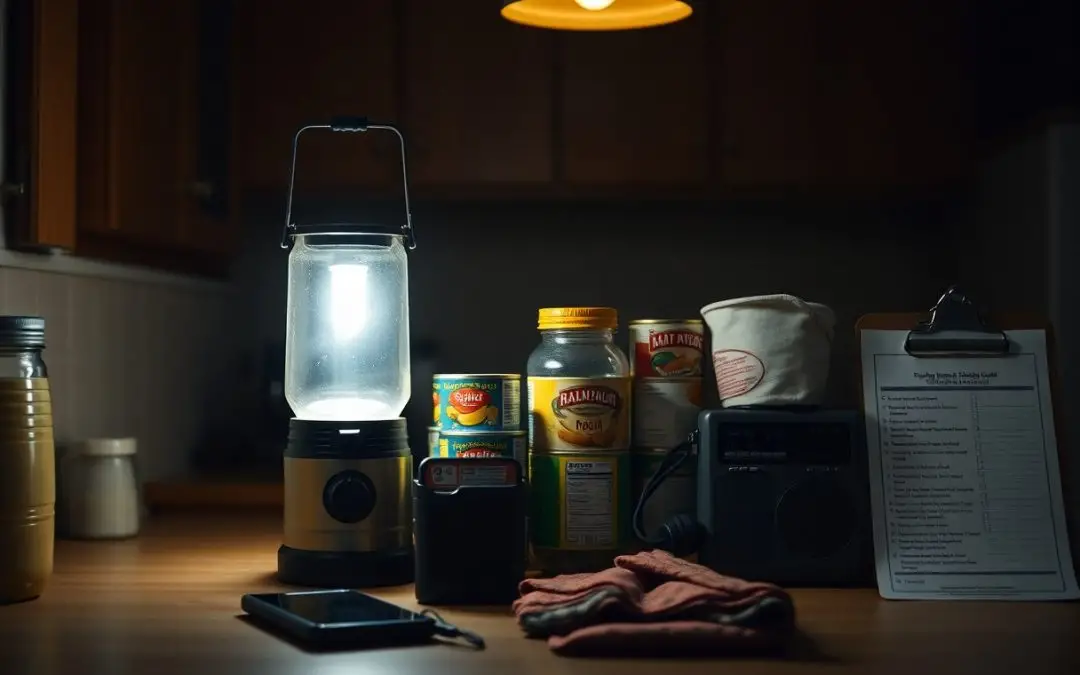
There’s no predicting how long a blackout might last, but when power is out for more than a day, your response makes all the difference. You need reliable strategies to stay safe, warm, and informed. This guide gives you clear, actionable steps to handle extended outages with confidence and control.
The Water and the Dry Pipes
Water stops flowing when power fails long enough to drain municipal systems. You must assume your taps will run dry within 24 hours. Fill every container you own at the first warning of an extended outage. Bathtubs, pots, and clean trash cans become reservoirs. Never underestimate how quickly dehydration sets in-drink only what you’ve stored or properly treated. Boil, filter, or use bleach to make questionable sources safe. Your survival depends on water you control, not the pipes.
The Cold Box and the Fire
You can turn a cooler into a short-term cold storage unit by lining it with frozen water bottles from your freezer. As they melt slowly, they keep contents chilled while doubling as drinking water later. Pair this with a safe outdoor fire for cooking, using dry wood and a metal grate. Heat meals quickly, then shut the lid to preserve cold. Balance is your ally when power stays off.
The Torch and the Candle
You’ll need steady light when the outage drags past a day. A reliable flashlight with extra batteries outlasts most alternatives, but candles offer warmth and a psychological anchor in prolonged darkness. Use them wisely-keep them away from flammable materials and never leave them unattended. One working torch and a handful of candles can make the longest night manageable.
The Wool and the Small Room
Wool retains warmth even when wet, making it ideal for staying warm in unheated spaces. Choose a small interior room with minimal windows to reduce heat loss. Your body heat builds up faster in compact areas, especially when layered with wool blankets or clothing. Stay dry, stay covered, and keep the door closed to trap warmth. You’ll conserve energy and maintain core temperature through the longest outages.
The Radio and the Silent Phone
Your phone may go quiet, but a battery-powered radio keeps you informed when networks fail. Tune into local emergency stations for updates on power restoration and safety alerts. Conserve your phone for emergencies only-use it sparingly to send brief messages or check critical information. A hand-crank radio gives you a reliable edge when batteries run out.
The Bolt and the Shadow
Stay Out of the Dark
You already know light fails first when the grid goes down. What you might not realize is how quickly darkness erodes morale and safety. Keep battery-powered lamps in key rooms and avoid candles if possible-open flames become hazards when stress runs high. Rotate your flashlight use and conserve power by marking stairs and doorways with glow tape. Light isn’t just for seeing-it keeps fear at bay.
Summing up
Conclusively, you now know how to stay safe and functional during extended blackouts. You have the tools to manage power loss, secure water, maintain warmth, and communicate without reliance on the grid. Your preparedness plan includes lighting, cooking alternatives, and medical readiness. You are ready to act with clarity and confidence when the lights stay off.


