
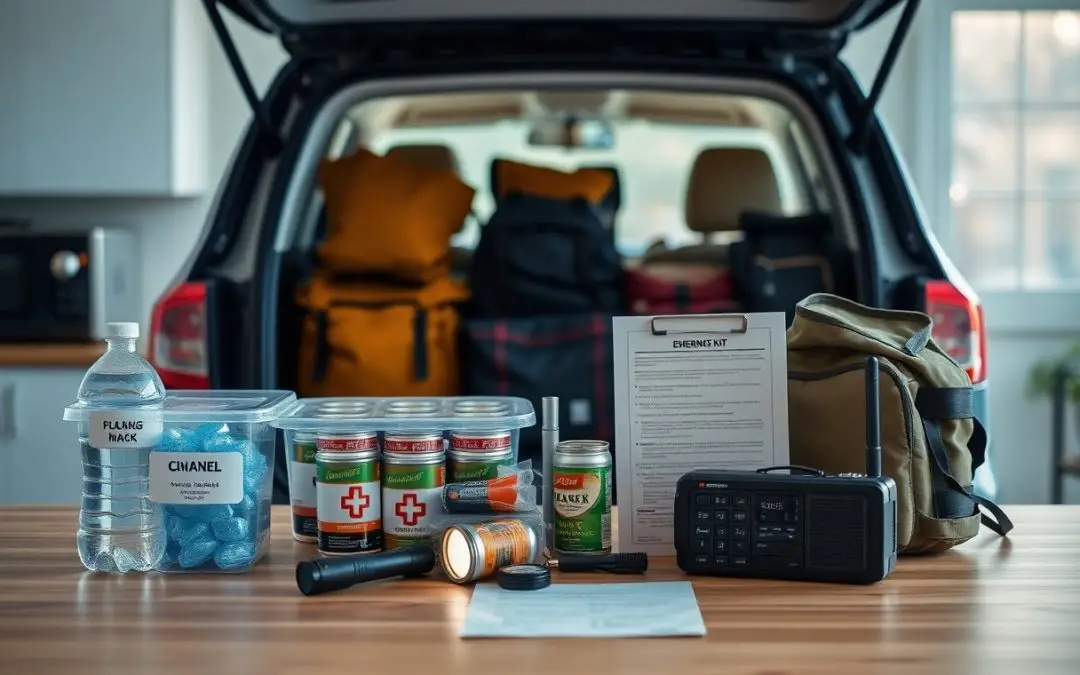
Stress spikes when the unexpected strikes, but you can reduce its impact with clear plans in place. Knowing you have supplies, communication strategies, and evacuation routes ready gives you control when events feel chaotic. You stay calmer, think clearer, and act faster when you’ve prepared ahead.
The Chaos of the Unforeseen
When disaster strikes without warning, confusion spreads fast. You might find yourself scrambling for supplies, second-guessing decisions, or overwhelmed by sudden demands. This chaos often stems not from the event itself, but from the lack of a clear plan. Without preparation, even small emergencies can feel unmanageable. You’re more likely to react emotionally than think clearly. That’s where readiness changes everything.
Logic as a Shield
Thinking clearly under pressure protects your mental state when chaos looms. You’re not immune to stress, but trained reasoning helps you respond, not react. When you rely on practiced plans and rational steps, fear loses its grip. Your mind shifts from panic to problem-solving, giving you control even when circumstances don’t. This calm is not luck-it’s logic in action.
The Physicality of Peace
Your body knows when danger is near, even before your mind processes it. A racing heart, shallow breath, tight shoulders-these are signs of unpreparedness amplifying stress. When you’ve practiced emergency plans, your muscles remember calm. You move with purpose, not panic. Preparedness trains your body to respond with steadiness, turning chaos into controlled action.
Decisive Action in Crisis
You gain clarity when you act with purpose during emergencies. Training your mind to assess, choose, and respond quickly reduces hesitation and second-guessing. When you’ve prepared, decisions come naturally because you’ve already mapped possible scenarios. Confidence grows not from avoiding fear, but from knowing you can move forward despite it.
The Prepared Soul
You carry a quiet confidence when you know you’re ready. Planning ahead shapes not just your environment, but your inner state. When emergencies arise, your mind stays clear because your actions are already mapped. This calm isn’t luck-it’s built through preparation, turning fear into focus and uncertainty into resolve.
Conclusion
So you stay calmer during crises when you prepare in advance. Knowing your actions reduces panic and sharpens focus. You respond with confidence, not fear, because you’ve planned for the unexpected. Emergency preparedness gives you control when situations feel chaotic, turning uncertainty into manageable steps.


