
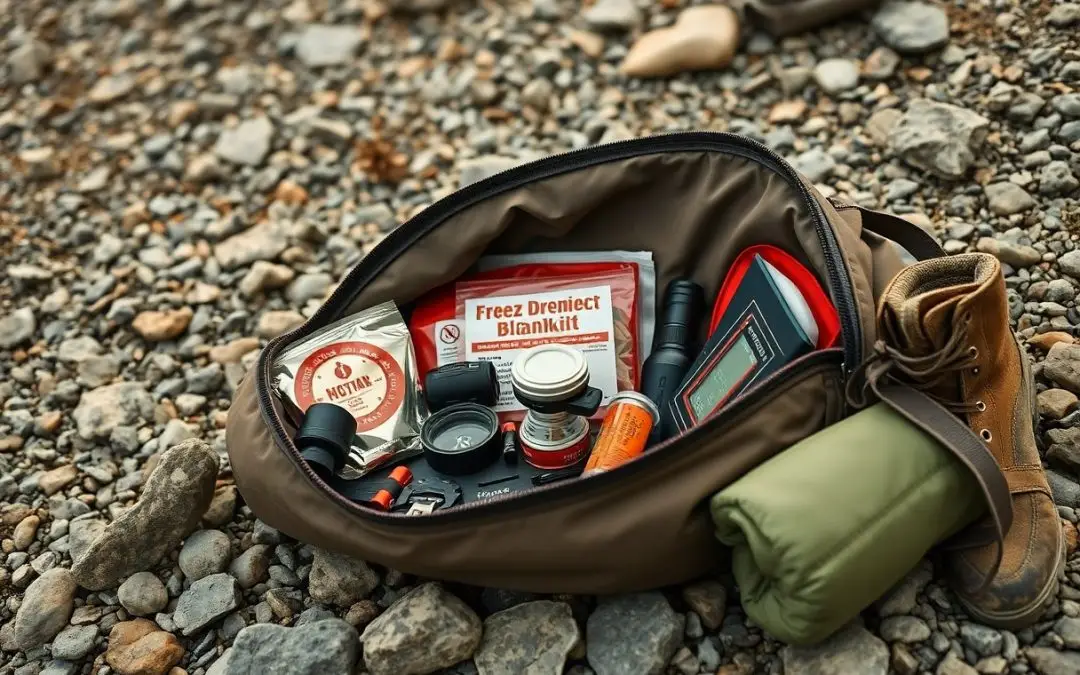
Preparedness determines how long you can survive using only a go bag. Your ability to last depends on the contents, your skills, and the environment. A well-stocked bag with water, food, shelter, and medical supplies can sustain you for 72 hours or more. You must act decisively and use resources wisely.
The Law of Thirst
Your body begins to rebel within hours of water loss. Dehydration impairs cognition, reduces physical output, and accelerates fatigue. Without intake, survival becomes a race against time-your internal systems shutting down faster than most expect.
The Seventy-Two Hour Limit
You’ve likely heard the rule: three days without water is your limit. While exceptions exist, most people deteriorate rapidly after 72 hours. By then, confusion, dizziness, and organ strain make even simple tasks impossible.
The Alchemy of Filtration
Your go bag’s filter turns murky water into something drinkable in minutes. It removes bacteria and parasites, but not chemicals or salt. Knowing its limits keeps you safe when natural sources are all you have.
Filtration works by forcing water through microscopic barriers that trap harmful organisms. Most portable systems use hollow fiber membranes capable of filtering down to 0.1 or 0.2 microns, stopping pathogens like Giardia and E. coli. You still need to avoid visibly contaminated or chemical-laced sources, as filters won’t neutralize those threats. Some models include activated carbon to reduce异味 and improve taste, but saltwater remains off-limits without desalination. Your filter is powerful, but it’s not magic-use it wisely.
The Meat of Life
Your body runs on calories, not courage. Every decision, every step, every shiver burns energy stored from food. Without consistent intake, muscle becomes fuel, and focus fades. A go bag’s rations delay this decline, but they can’t stop it. Survival isn’t just about having supplies-it’s about how long you can sustain the engine inside.
The Furnace of the Body
Heat keeps you alive when temperatures drop. Your metabolism works like a fire, consuming calories to maintain core warmth. Even at rest, your body demands fuel. In a crisis, shivering can triple energy needs. Relying only on a go bag means watching this internal flame slowly dim as rations run low.
Meager Rations in the Waste
Three days of compact meals won’t rebuild strength, only delay collapse. You’ll feel hunger sharpen into ache, then numbness. Each bite stretches survival time, but malnutrition sets in fast. Your body adapts by slowing down-thinking slows, movement stiffens, and endurance slips with every passing hour.
When rations dwindle, your body shifts into conservation mode. Proteins from emergency bars barely offset muscle loss, while minimal carbohydrates fail to sustain mental clarity. You may avoid immediate starvation, but cognitive fog, weakness, and irritability become constant companions. Without fresh nutrients, even a well-packed go bag only buys time-not resilience.
Armor Against the Elements
Your go bag is your first line of defense when nature turns hostile. It holds the crucials to shield you from rain, wind, and cold, buying time until rescue or shelter. Every item serves a purpose, and knowing how to use them could mean the difference between survival and exposure.
The Silver Foil Defense
That crinkly emergency blanket does more than reflect body heat. You can use it as a ground cover, signal mirror, or makeshift shelter. Its compact size hides surprising versatility when you’re exposed and temperatures drop fast.
Defying the North Wind
Wind strips warmth faster than cold alone. Your go bag’s insulation layers and tarp can create a windbreak, preserving core temperature. Positioning matters-use natural barriers and pack tightly to reduce exposure.
Blocking wind isn’t just about staying warm-it’s about preventing rapid heat loss that leads to hypothermia. A tarp staked at an angle, combined with dense clothing layers, forms a microclimate around you. Even in open terrain, a well-placed barrier cuts wind chill significantly, extending your endurance in freezing conditions.
The Steel and the Spark
Survival often hinges on two simple tools: fire and cutting. Your go bag’s contents mean little if you can’t create warmth or process materials. Mastering these elements turns basic gear into lifelines when modern comforts vanish.
Mastery of the Flame
Fire sustains your body and focuses your mind. You can boil water, cook food, and signal for help with a single, controlled flame. Knowing how to ignite and maintain fire in damp or windy conditions separates discomfort from disaster.
The Blade and the Cord
A knife and paracord unlock countless solutions in the wild. You’ll cut branches for shelter, secure gear, or fashion traps. Together, they become extensions of your will when resources are scarce.
With just a blade, you shape your environment-sharpen stakes, slice rope, or prepare tinder. Paracord, rated for hundreds of pounds, holds structures together or unravels into fine thread for stitching wounds. Your ability to adapt these tools defines your endurance far beyond the first 72 hours.
The Limit of the Trail
You feel the weight of every mile in your bones. Your go bag, once manageable, now drags behind you like an anchor. Supplies dwindle, and each decision carries heavier consequences. This is where survival shifts from preparation to endurance-how long you last depends not just on gear, but on will.
The Fatigue of the Straps
Pressure digs into your shoulders with every step. The straps that once held your lifeline now mark your skin, a constant reminder of burden. Discomfort becomes distraction, and distraction risks missteps. Even the best pack design can’t erase the toll of endless motion.
The Vanishing Horizon
Distance blurs as the path stretches without end. What looked reachable yesterday now seems farther than ever. Your mind plays tricks, turning landmarks into mirages. Hope wears thin when every rise reveals only more ground to cover.
Each day erodes your sense of progress. The horizon you aimed for keeps receding, not because you’re standing still, but because survival demands detours-water sources off-route, unsafe terrain forcing wide arcs. You’re moving, but the goal feels static, an illusion shaped by exhaustion and isolation. This mental strain often outpaces physical limits.
Final Words
You can survive three to seven days using only a go bag, depending on conditions, contents, and your preparedness. A well-stocked bag with water, food, first aid, and shelter extends your endurance. Skills matter as much as supplies-knowing how to use what you have makes the difference between resilience and risk.


