
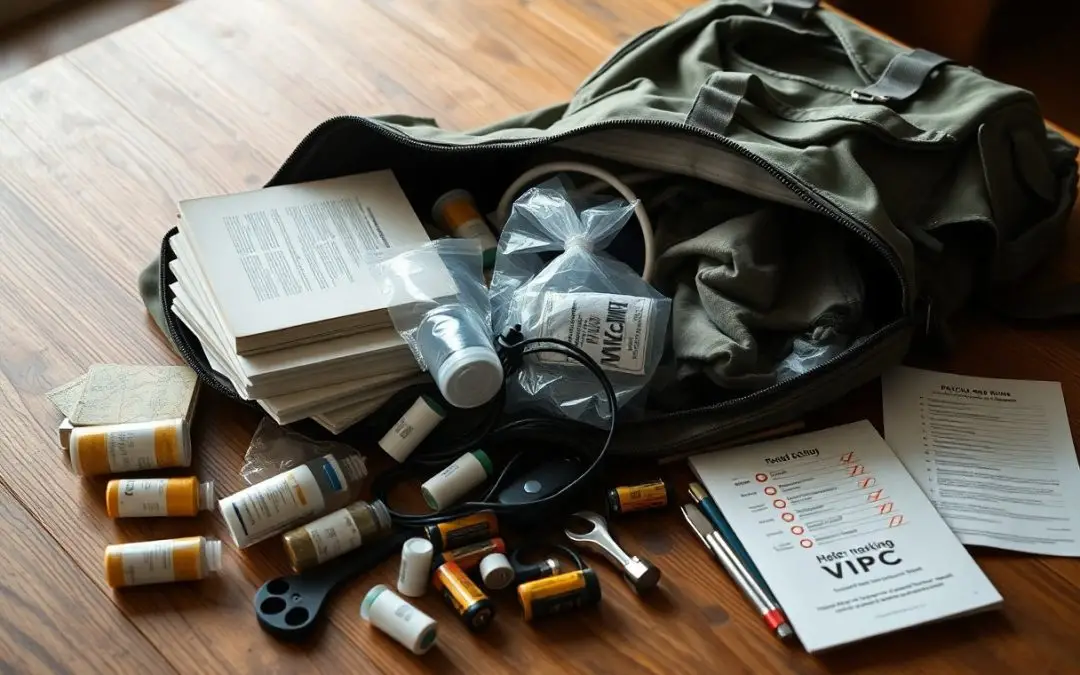
Most mistakes you make when packing a go bag stem from overpacking or omitting basics; you should prioritize multi-use items, check expirations, balance weight, and include water, communication tools, and a compact first-aid kit for swift, organized evacuation.
Key Takeaways:
- Overpacking with nonvitals adds weight and slows mobility; prioritize compact, multipurpose items and test carry weight.
- Skipping important documents and prescription medications can block access to services; include copies of IDs, insurance, prescriptions, and emergency contacts.
- Forgetting power and communication gear leaves you isolated; pack charged power banks, spare batteries, a car charger, and a battery-powered radio.
- Ignoring climate and personal needs leads to unusable items; tailor clothing, shelter, and water supplies to local conditions and seasons.
- Failing to maintain and rotate supplies causes expired food and dead batteries; inspect your bag every six months and replace items as needed.
Overloading and Weight Management
Weight is the silent pack thief: if you carry more than you can manage, you slow down, fatigue faster, and increase injury risk, so you should limit your go bag to imperatives and multi-use items.
Packing with an even load distribution and using compression straps keeps weight close to your core so you can move efficiently and avoid strain on shoulders and back.
Choosing a Pack That Exceeds Physical Capacity
Choose a pack size that matches your body and typical scenarios instead of grabbing the largest option, because an oversized bag tempts you to add unnecessary items you’ll carry into discomfort.
Test a fully loaded bag on short hikes to assess fit, adjust straps, and confirm you can carry it for the distances you expect without pain or balance issues.
Prioritizing Non-Essential Comfort Items Over Survival Tools
Avoid filling space with luxury extras like spare shoes or bulky blankets when those choices push out items for water, shelter, first aid, or fire-starting tools you will need first.
Swap single-purpose comforts for compact, multi-purpose gear so you pick a lightweight emergency blanket over a bulky sleeping bag when space demands, or a multi-tool instead of separate utensils.
Balance your comfort items by assessing trip length and climate so you keep morale-boosting pieces only if they don’t compromise imperative maps, communication, or medical supplies.
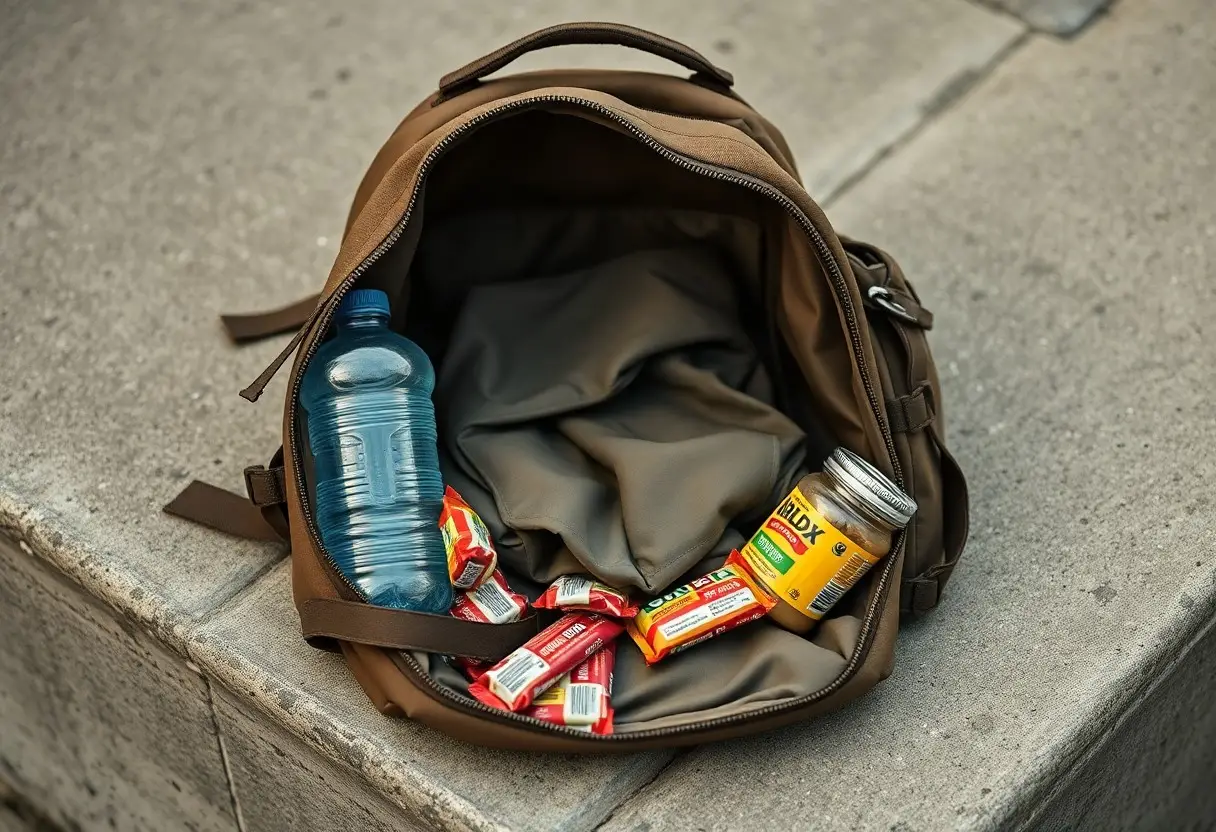
Hydration and Nutrition Oversight
Hydration should be handled proactively in your go bag; carry a mix of stored water and reliable purification tools so you can treat sources on the move, and include calorie-dense, ready-to-eat options that sustain energy without cooking.
Relying on Stored Water Without Filtration Capabilities
You must assume stored bottles can be depleted or contaminated, so include a compact filter, purification tablets, or a UV pen to make found water safe, and rotate supplies to prevent stagnation.
Packing Perishable Foods or Those Requiring Excessive Preparation
Avoid fresh meats, dairy, and items needing refrigeration or long cook times because you may lack fuel, cold storage, or time; prioritize shelf-stable bars, nuts, and dehydrated meals that require minimal water and effort.
Pack portion-controlled, long-shelf-life options like vacuum-sealed or freeze-dried meals and high-fat snacks so you can ration effectively, reduce weight, and maintain calorie intake when resources and cooking ability are limited.
Environmental and Seasonal Negligence
You let seasonal shifts erode the usefulness of your go bag when you leave winter gear in year-round storage or forget to swap out for summer imperatives before heat or cold hits.
Pack a simple rotation plan so you replace or augment items before forecasts change, keeping waterproof, insulating, and cooling options ready at a moment’s notice.
Failing to Account for Temperature Extremes and Precipitation
Check expected highs, lows, and precipitation patterns and include both insulating layers and a reliable rain shell so you can adjust to rapid swings without improvising.
Quick fixes
| Mistake | What to carry |
|---|---|
| Ignoring forecasts | Lightweight insulated jacket, packable fleece |
| No waterproofing | Waterproof shell, dry bags |
| Only seasonal items | Convertible layers, compressible insulation |
Omitting Proper Shelter and Layering Systems
Shelter choice affects survival and comfort, so you should match tent or tarp capacity and weight to expected conditions and include a groundsheet and stakes for stability.
Layering should prioritize a moisture-wicking base, an insulating midlayer, and a weatherproof outer layer so you can add or shed clothing as temperatures change.
Documentation and Financial Gaps
Documentation gaps can derail your evacuation; include photocopies of passports, insurance policies, and medical records in a waterproof sleeve so you can access them even if devices fail.
Store a short, written inventory of accounts, policy numbers, and authorized contacts in both physical and encrypted digital formats so you can cover legal and financial needs quickly.
Neglecting Physical Copies of Vital Identification and Records
Carry physical IDs and birth certificates because scans and phone batteries can fail; place originals and recent copies in a compact, waterproof folder you control.
Relying Solely on Electronic Payments and Digital Access
Depend on digital wallets alone and you risk losing payment access if networks go down; keep small amounts of cash and at least one backup card in separate locations.
Keep emergency bank and card contact numbers written down and store backup cards in a tamper-evident sleeve so you can access funds even when apps are unavailable.
Create a simple paper ledger with coded PIN hints and clear instructions for a trusted contact so you can restore access quickly without exposing sensitive details in the bag.
Specialized Medical and Hygiene Lapses
Mistakes like ignoring specialized medical needs can leave you stranded without lifesaving supplies when access to pharmacies or clean water is limited.
Packing generic kits without accounting for your prescriptions, allergies, or feminine hygiene needs increases the chance you’ll face avoidable complications during displacement.
Overlooking Prescription Medications and Personal Medical History
Keep a current list of medications, dosages, allergies, and emergency contacts in your go bag, and store a digital copy that works offline so you can prove your needs quickly.
Photocopies of prescriptions and a brief medical history help first responders and caregivers provide appropriate care if you cannot communicate or your regular pharmacy is unreachable.
Underestimating the Importance of Sanitation and First Aid Basics
Sanitation supplies often get left out, yet you need soap, hand sanitizer with at least 60% alcohol, disposable gloves, and menstrual supplies to prevent infections in austere conditions.
Basic first-aid skills and a compact kit should cover wound cleaning, bandaging, blister care, and common over-the-counter medications you use regularly so you can treat minor issues immediately.
Practice simple techniques like sterile wound cleaning, proper bandage application, and using an epinephrine auto-injector so you can act confidently when professional help is delayed.
Maintenance and Familiarity Failures
Maintenance of your go bag falters when you ignore routine checks and hands-on familiarity; items wear unnoticed, seals fail, and unfamiliar organization slows your response during an emergency.
Neglecting Regular Gear Inspection and Food Rotation
Inspection schedules should include seal checks, battery tests, and rotating perishables so you avoid spoiled food and dead electronics when you need them most.
Including Complex Equipment Without Prior Field Testing
Testing complex tools like water filters, radios, and stoves in realistic conditions shows you whether you can operate and maintain them under pressure, preventing wasted minutes troubleshooting during a crisis.
Practice assembly, disassembly, and basic repairs until handling becomes second nature; pack spare parts, compatible batteries, concise instructions, and a simpler backup for any tool that proves unreliable in trials.
Conclusion
Considering all points, you should prioritize practical importants, test gear, and rotate perishables to keep your go bag effective. You must tailor contents to personal needs, secure documents, and avoid oversized items that add weight. Regular inspections prevent expired supplies and gaps in medical or communication tools. A compact, well-maintained bag increases your readiness and reduces panic when you need to leave quickly.
FAQ
Q: What are the most common mistakes people make when packing a go bag?
A: Overpacking and including nonvital items makes the bag too heavy and less likely to be carried during an emergency. Failing to protect important documents and digital backups creates avoidable delays when identification or records are needed. Skipping prescription medications or specialty items for children and pets creates critical gaps in care. Neglecting basic tools like a reliable light source, extra batteries, and small-denomination cash often leads to preventable problems. Assemble a prioritized checklist and perform a test-carry to refine what truly belongs in the bag.
Q: How do I balance weight versus necessities in my go bag?
A: Start by listing absolute vitals: water, shelter, first aid, fire, light, food, and a way to communicate. Choose lightweight, multi-use items such as a packable poncho that doubles as shelter and a tarp. Limit clothing to a compact layering system and pack high-calorie, long-shelf-life food in small portions. Aim for a carry weight you can comfortably transport for extended periods; for most people that falls around 10-15% of body weight.
Q: Which items are most often overlooked when preparing a go bag?
A: Copies of identification, printed local maps, and a written list of emergency contacts are commonly missing. Prescription medications and a small supply of frequently used over-the-counter drugs are frequently forgotten. Charging cables, a compact power bank, and extra cash in small bills solve many everyday issues. Add items for specific needs such as spare glasses, contact lens supplies, infant formula, or pet food.
Q: How often should I check and update my go bag?
A: Perform a quick visual check monthly to confirm batteries, power banks, and the condition of perishable items. Rotate food and water based on expiration dates and replace medications before they expire. Conduct a full inventory at least twice a year and swap season-specific clothing and gear as weather changes. Keep a dated checklist inside the bag to track inspections and replacements.
Q: How can I customize a go bag for family members or specific emergencies?
A: Build a base kit for one adult, then prepare personalized packs for children, elders, and pets that include medications, comfort items, and size-appropriate gear. Tailor clothing and shelter to seasonal needs and local hazards like floods or extreme cold. Label each bag and include medical information and allergy lists with individual kits. Practice family evacuations to reveal missing items and make adjustments based on real-world drills.


