
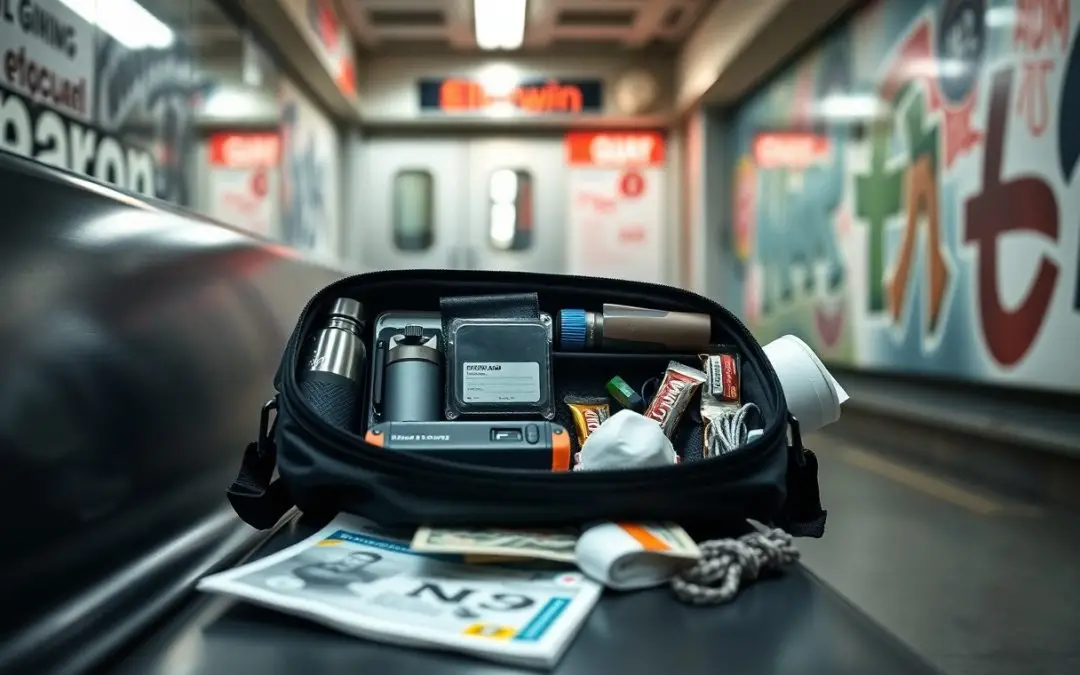
Over 80% of Americans live in urban areas where emergencies can disrupt daily life in seconds. Your ability to respond quickly with only a minimal go bag could determine your safety. This guide shows you exactly what to include, how to use it, and when to act-so you stay prepared without excess weight or clutter.
The Pack
Your go bag is more than gear-it’s your mobile lifeline when city systems fail. Size matters, but so does structure. A well-designed pack keeps imperatives accessible and organized under stress, turning chaos into control with every strap and pocket in its place.
Choosing the Canvas
You need durability without bulk. A 20-30 liter backpack made from water-resistant, abrasion-resistant fabric like Cordura or recycled ripstop nylon handles urban grit. Look for MOLLE webbing, silent zippers, and a low-profile design that blends in crowds but holds up under pressure.
Weight and Balance
You move faster when the load sits close to your body. Uneven weight leads to fatigue, especially over long distances on foot. A padded hip belt and adjustable sternum strap transfer strain from shoulders to hips, keeping you steady during sudden evacuations or stair climbs.
Proper weight distribution starts with packing strategy. Heavier items-water, tools, food-should rest near your back and centered in the bag. Lighter, frequently used items go in outer pockets. This setup prevents swaying, reduces back strain, and lets you access imperatives without stopping.
The Water
Staying hydrated in an urban crisis means relying on what you carry and what you can safely collect. Your go bag’s water supply won’t last long, so planning for replenishment is part of your survival rhythm. You need reliable ways to filter and store what you find, even in a city with broken infrastructure.
Filtration in the Concrete
Water flows through city pipes, fountains, and storm drains-even after systems fail. You can find it in unexpected places, but never drink it untreated. A compact filter or purification tablets in your bag turn questionable sources into safe sips. Trust only what you’ve cleaned yourself.
Storage of the Lifeblood
Carrying extra water takes space, but smart storage keeps it manageable. Collapsible bottles or durable soft flasks fit tight spaces and expand when full. Every ounce counts, so choose containers that won’t leak or degrade under pressure. Keep them sealed until you need them.
Efficient storage isn’t just about capacity-it’s about access and hygiene. Soft-sided bottles minimize weight when empty and nest neatly in your bag’s side pockets. Rigid containers offer better durability if you’re moving through debris. Whichever you choose, rinse and refill only from filtered sources to avoid contamination. Rotate your stored water every few weeks to maintain freshness, even in short-term preparedness.
The Blade
A reliable blade is your first line of utility in an urban crisis. It handles tasks from opening packages to cutting seatbelts or cordage. Choose one that balances size, durability, and ease of carry. Your survival may depend on its readiness when seconds count.
Steel for the Task
You need a blade made from high-carbon steel for strength and edge retention. It must resist chipping under stress while remaining corrosion-resistant. A full-tang construction ensures durability during heavy use. This isn’t a tool to compromise on.
Maintenance of the Edge
Keeping your blade sharp ensures immediate effectiveness when needed. A dull edge increases effort and risk during critical moments. Regular inspection and touch-ups preserve performance. Cleanliness prevents grime buildup that dulls the steel over time.
Storing your blade properly prevents nicks and moisture exposure. Use a sheath or protective wrap inside your go bag. Develop a habit of wiping it down after each use. A few minutes of care extends its life and reliability for years. You’ll depend on this tool in unpredictable moments-don’t let neglect be the reason it fails.

The Shelter
Shelter is your first line of defense against the elements in an urban survival scenario. With limited space and resources, your go bag’s contents must serve multiple roles. A properly rigged setup can shield you from rain, wind, and prying eyes, even in dense city environments where traditional shelter options are scarce.
Tarp and Cord
You can turn a lightweight tarp and 15 feet of paracord into a reliable shelter in minutes. Drape it over railings, between poles, or across abandoned structures to create a waterproof barrier. Its compact size in your go bag makes it one of the most efficient tools for staying dry and hidden.
Finding the Dry Corner
Look for overhangs, loading docks, or recessed doorways to reduce exposure. These urban features often shed water and offer a flat, elevated surface. Position your tarp to extend coverage, turning a small dry zone into a functional refuge during storms or cold nights.
City landscapes offer more shelter opportunities than they first appear. Abandoned storefronts, stairwells, and underground alcoves often stay dry and block wind. Scan building exteriors for structural overhangs or recessed entries-these spots collect less debris and moisture. Pair your tarp with these natural features to maximize protection without drawing attention.
The Unseen Path
Staying off main routes keeps you out of sight and ahead of chaos. When urban systems fail, crowds follow predictable patterns-your advantage lies in avoiding them. A minimal go bag supports silent movement, letting you adapt without drawing attention or slowing down.
Map and Compass
You won’t always have GPS. A physical map and compact compass fit easily in your go bag and work without signal or battery. Learn to read terrain features and orient yourself quietly-this skill keeps you on course when technology fails.
Moving Through Shadows
Speed matters less than timing. Stick to alleyways, tree lines, and building edges where light doesn’t reach. Move between cover points only when the area is clear, and avoid open spaces where eyes might catch your outline.
Traveling unseen means more than just staying in the dark-it means understanding patterns of movement and light. You watch for patrols, cameras, or civilians who might report strangers. Your clothing blends with the environment, your steps stay light, and your pauses are long enough to listen. Silence protects you better than speed ever could.

The Small Essentials
Every item in your go bag must earn its place. Focus on compact, multi-use tools that support survival without adding bulk. Your choices reflect real-world demands, not hypothetical extremes. Weight matters, but so does function-strike the balance wisely.
Fire and Spark
Starting a fire can mean the difference between safety and danger when temperatures drop. Carry a weatherproof lighter and ferrocerium rod as backups. Tinder sticks or cotton balls soaked in petroleum jelly ignite easily, even in damp conditions. Practice ignition methods before you need them.
First Aid for the Hard Road
Injuries happen fast and worsen without attention. Pack adhesive bandages, antiseptic wipes, blister treatment, and pain relievers. Include any personal medications in waterproof packaging. A small trauma pad and elastic bandage handle larger wounds until help arrives.
When you’re moving through urban wreckage or walking miles on broken pavement, minor cuts can become serious. Your first aid kit isn’t for hospitals-it’s for staying mobile. Clean wounds immediately, protect them from debris, and monitor for signs of infection. Tape can double as a splint stabilizer or gear fixer. Know how to use every item before you’re in the dark, tired, and bleeding.
Final Words
Conclusively, your minimal go bag is your first line of defense in urban emergencies. You rely on simplicity, mobility, and preparedness when seconds count. Every item serves a purpose, every decision reduces clutter. You stay alert, self-reliant, and ready to act. Survival isn’t about gear-it’s about mindset and preparation.


